
Lower back pain is one of the most common reasons people seek chiropractic care, and if you’re reading this, chances are you’re dealing with it right now—or you know someone who is. Whether it’s a dull ache that won’t go away, a sharp twinge when you bend over, or stiffness that makes getting out of bed a challenge, lower back pain can significantly impact your daily life. The good news? Understanding what’s causing your discomfort is the first step toward finding lasting relief and building a body that supports you for decades to come.
At Kirar Superior Healthcare in Goose Creek, SC, we see patients every day who are searching for answers about their lower back pain. Many have been living with discomfort for weeks, months, or even years—often without knowing the true source of the problem. This article will help you understand the common causes of lower back pain, how it connects to other issues like headaches and neck pain, and what you can do to address it naturally and effectively.
What Is Lower Back Pain?
Lower back pain is discomfort, tension, or pain felt in the lumbar region of the spine—the area between your ribcage and pelvis. It can range from mild and nagging to severe and debilitating. Lower back pain may be acute (lasting a few days to weeks) or chronic (persisting for three months or longer). It’s often accompanied by stiffness, reduced range of motion, muscle spasms, and sometimes radiating pain into the hips or legs.
Table of Contents
- Understanding Your Lower Back Anatomy
- Common Causes of Lower Back Pain
- The Connection Between Lower Back Pain, Neck Pain, and Headaches
- How Chiropractic Care Helps with Lower Back Pain
- Practical Tips for Lower Back Pain Relief
- When to See a Chiropractor
- Lower Back Pain: Acute vs. Chronic
- Myths vs. Facts About Lower Back Pain
- Final Thoughts
Understanding Your Lower Back Anatomy
Your lower back is a remarkably complex structure designed to support your entire upper body while allowing you to bend, twist, and move freely. The lumbar spine consists of five vertebrae (L1-L5), stacked on top of each other and separated by intervertebral discs that act as shock absorbers. These discs have a tough outer layer and a gel-like center that cushions the bones during movement.
Surrounding these vertebrae are muscles, ligaments, tendons, and nerves—all working together to stabilize your spine and facilitate movement. The spinal cord runs through the center of your vertebrae, branching off into nerves that control sensation and function throughout your lower body. When any part of this intricate system becomes irritated, inflamed, or misaligned, lower back pain can result.
Understanding this anatomy helps explain why lower back pain isn’t always a simple “one cause, one solution” problem. Your discomfort might stem from muscles, joints, discs, nerves, or a combination of factors. This is where a comprehensive approach—one that looks at your body as an integrated system designed to last 100 years—becomes essential.
Common Causes of Lower Back Pain
Lower back pain rarely appears out of nowhere. Most often, it develops gradually due to accumulated stress, poor habits, or underlying structural issues. Here are the most common causes we see at Kirar Superior Healthcare:
Muscle Strain and Ligament Sprains
One of the most frequent culprits behind lower back pain is simple muscle strain or ligament sprain. This can happen from lifting something heavy incorrectly, making a sudden awkward movement, or even from repetitive activities that overwork the muscles. When muscles are stretched beyond their capacity or ligaments are torn, inflammation and pain result. While these injuries often heal on their own with proper care, chronic strain can lead to long-term weakness and recurring episodes.
Poor Posture and Prolonged Sitting
If you spend hours sitting at a desk, driving, or looking down at your phone, your lower back is paying the price. Poor posture places uneven pressure on your lumbar spine and weakens the core muscles that support it. Over time, this creates imbalances that lead to pain, stiffness, and decreased mobility. Many patients here in Goose Creek work desk jobs or long shifts on their feet—both scenarios can contribute to postural stress on the lower back.
Disc Problems
The intervertebral discs in your spine can degenerate, bulge, or herniate over time. Disc degeneration is a natural part of aging, but it can be accelerated by poor posture, injury, or repetitive stress. A bulging or herniated disc occurs when the inner gel-like material pushes through the outer layer, potentially pressing on nearby nerves. This can cause not only lower back pain but also radiating pain, numbness, or tingling down the legs—a condition known as sciatica.
Spinal Misalignments (Subluxations)
Chiropractors focus heavily on spinal alignment because even small misalignments—called subluxations—can interfere with your nervous system and create pain throughout your body. When vertebrae shift out of their proper position, they can irritate nerves, strain muscles, and limit your range of motion. Subluxations don’t always cause immediate pain, but over time they contribute to chronic discomfort and dysfunction.
Arthritis and Degenerative Conditions
Osteoarthritis can affect the facet joints in your spine, leading to inflammation, stiffness, and pain. Degenerative disc disease and spinal stenosis (narrowing of the spinal canal) are also common in older adults. While these conditions are often associated with aging, adopting a 100 Year Lifestyle approach—focusing on maintaining mobility, strength, and alignment—can help slow progression and reduce symptoms.
Lifestyle Factors
Your daily habits play a significant role in lower back health. Lack of exercise weakens the muscles that support your spine. Being overweight adds extra stress to your lumbar region. Smoking reduces blood flow to spinal tissues, impairing healing. Stress and poor sleep can increase muscle tension and inflammation. All of these factors compound over time, making you more susceptible to pain and injury.
The Connection Between Lower Back Pain, Neck Pain, and Headaches
It might surprise you to learn that lower back pain, neck pain, and headaches are often interconnected. Your spine is a continuous structure, and problems in one area frequently affect other regions. This is especially true when it comes to posture, muscle imbalances, and nervous system function.
When your lower back is misaligned or strained, your body compensates by shifting weight and altering posture. This compensation can place additional stress on your neck and upper back, leading to tension, stiffness, and pain. Over time, chronic neck tension can trigger tension headaches or even migraines. Many patients who come to Kirar Superior Healthcare with headaches are surprised to discover that addressing their lower back and overall spinal alignment significantly reduces their head pain.
Similarly, if you’re dealing with chronic neck pain, the root cause may actually be poor posture or weakness in your lower back and core. Your body is designed to function as an integrated unit. When one part breaks down, other areas work overtime to compensate—often leading to a cascade of problems. This is why we take a whole-body approach to care, addressing not just your symptoms but the underlying causes that affect your long-term health and vitality.
How Chiropractic Care Helps with Lower Back Pain
Chiropractic care is a natural, non-invasive approach to treating lower back pain that focuses on restoring proper alignment, improving function, and supporting your body’s innate ability to heal. At Kirar Superior Healthcare, we don’t just treat symptoms—we identify and correct the underlying issues that are causing your pain.
Comprehensive Assessment
Your first visit will include a thorough evaluation of your spine, posture, range of motion, and nervous system function. We’ll discuss your health history, lifestyle habits, and any other symptoms you’re experiencing—including neck pain and headaches. This comprehensive approach allows us to understand the full picture of your health and create a personalized care plan.
Chiropractic Adjustments
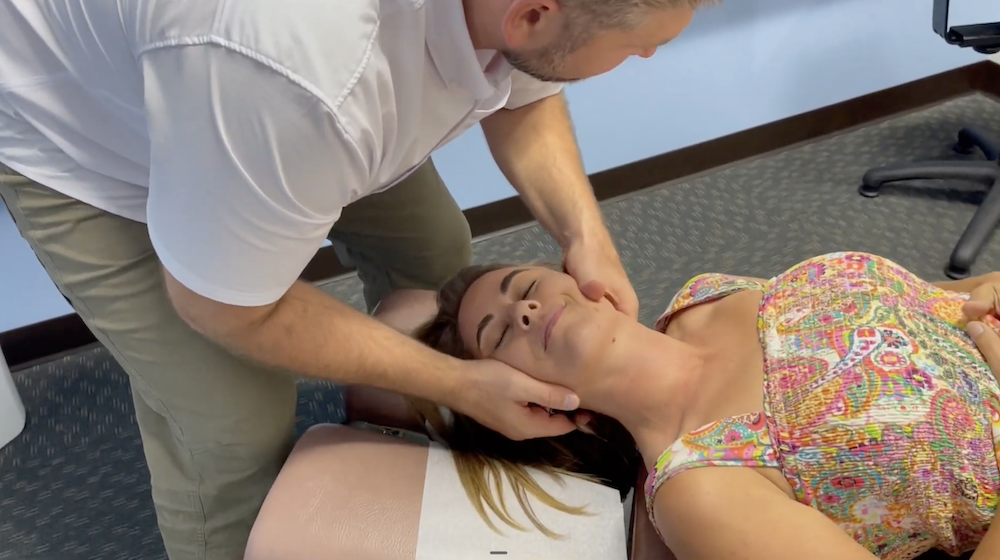
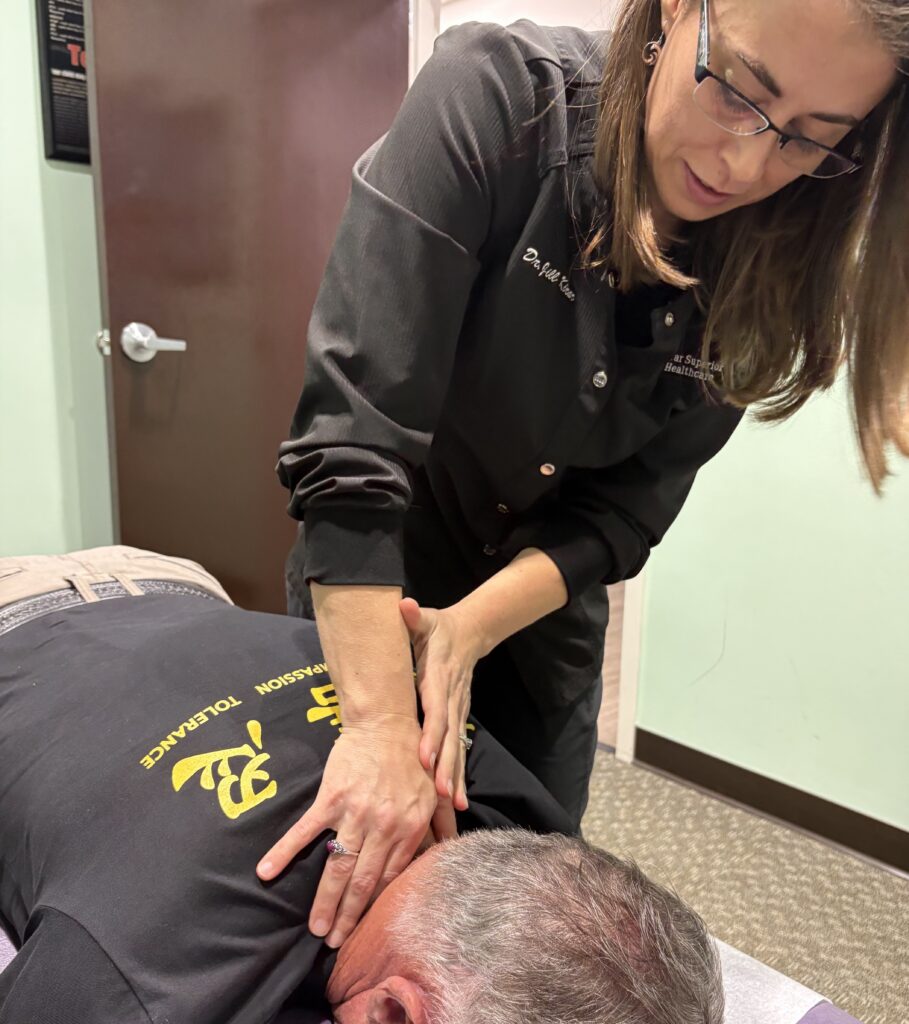
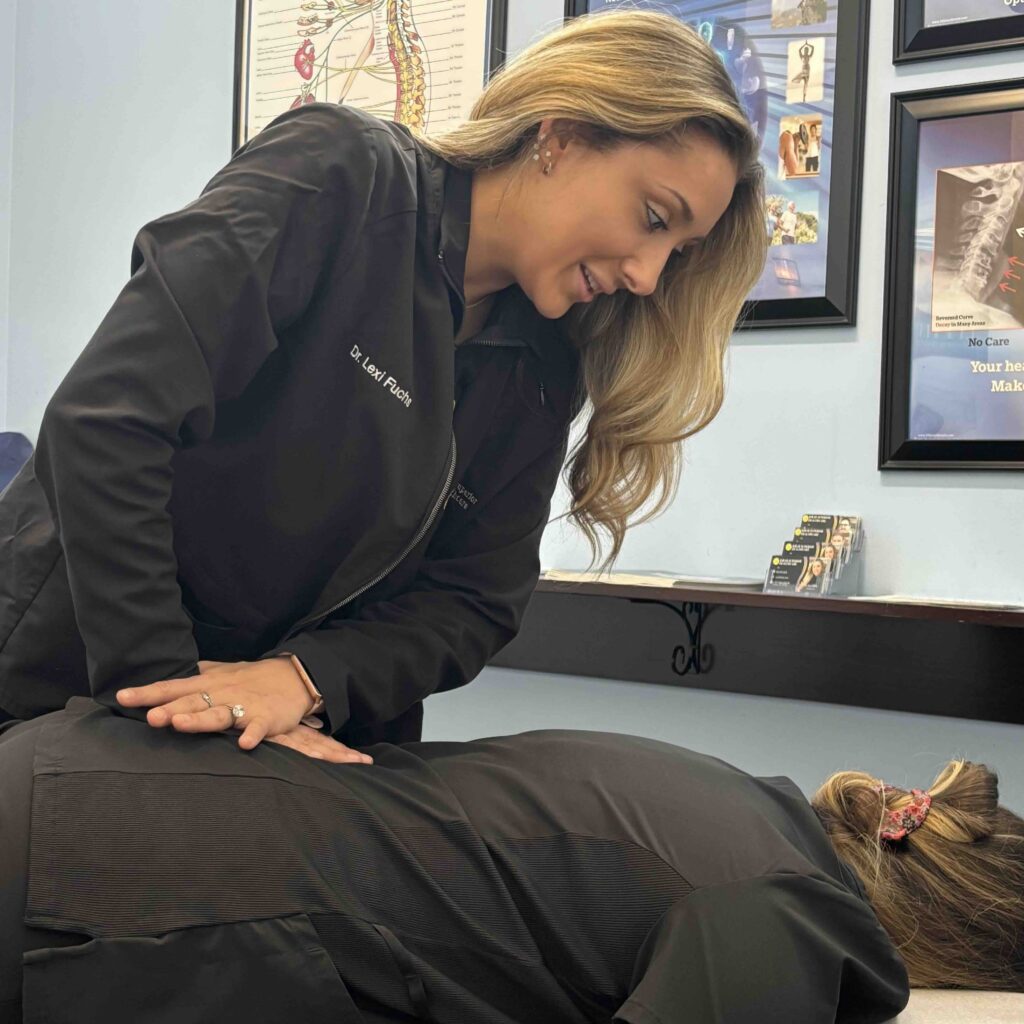
Spinal adjustments are the cornerstone of chiropractic care. By applying gentle, precise pressure to misaligned vertebrae, we restore proper alignment and reduce nerve interference. This helps decrease pain, improve mobility, and enhance your body’s ability to heal naturally. Many patients experience significant relief after just a few adjustments, though the timeline varies depending on the severity and chronicity of the condition.
Spinal Decompression Therapy
For patients dealing with disc-related lower back pain, spinal decompression therapy can be a game-changer. This advanced, non-surgical treatment gently stretches the spine, creating negative pressure within the discs. This process can help retract bulging or herniated discs, relieve pressure on nerves, and promote healing by increasing blood flow and nutrient delivery to damaged tissues. Spinal decompression is particularly effective for conditions like sciatica, degenerative disc disease, and chronic lower back pain that hasn’t responded to other treatments.
If you’re curious about how spinal decompression works and whether it might be right for you, this video provides a helpful overview of the process and its benefits:
Corrective Exercises and Rehabilitation
Chiropractic care isn’t just about what happens in the office—it’s about empowering you to take control of your health for the long term. We’ll provide corrective exercises and stretches designed to strengthen your core, improve flexibility, and support your spine. These exercises are tailored to your specific needs and abilities, ensuring they’re safe and effective.
Lifestyle and Ergonomic Guidance
Part of living a 100 Year Lifestyle is making daily choices that support your health and longevity. We’ll offer practical guidance on ergonomics, posture, workplace setups, and movement patterns to help you avoid future injuries and maintain the progress you make through care. Small changes—like adjusting your chair height, taking regular movement breaks, or improving your sleep position—can have a profound impact on your lower back health.
Practical Tips for Lower Back Pain Relief
While professional chiropractic care is essential for addressing the root cause of lower back pain, there are several things you can do at home to support your healing and prevent future episodes:
Stay Active: Contrary to old advice about bed rest, staying gently active is one of the best things you can do for lower back pain. Walking, swimming, and gentle stretching help maintain mobility and prevent stiffness. Avoid high-impact activities until your pain improves.
Practice Good Posture: Whether sitting or standing, maintain the natural curves of your spine. Sit with your feet flat on the floor, shoulders back, and lower back supported. When standing, distribute your weight evenly and avoid locking your knees.
Use Proper Lifting Techniques: Always bend at your knees—not your waist—when lifting objects. Keep the load close to your body and avoid twisting while lifting. If something is too heavy, ask for help.
Optimize Your Sleep Setup: Your mattress and pillow play a crucial role in spinal health. A medium-firm mattress typically provides the best support for your lower back. Sleep on your side with a pillow between your knees, or on your back with a pillow under your knees to maintain proper alignment.
Manage Stress: Chronic stress increases muscle tension and inflammation, both of which worsen lower back pain. Incorporate stress-reducing practices like deep breathing, meditation, gentle yoga, or simply taking time to relax and enjoy activities you love.
Stay Hydrated: Your intervertebral discs need water to maintain their cushioning ability. Drinking plenty of water throughout the day supports spinal health and overall function.
When to See a Chiropractor
Many people wait far too long to seek care for lower back pain, hoping it will resolve on its own. While some minor strains do improve with rest and self-care, persistent or recurring pain often indicates an underlying issue that needs professional attention. Here are signs it’s time to schedule an appointment at Kirar Superior Healthcare:
If your lower back pain lasts more than a few days without improvement, it’s worth getting evaluated. Chronic pain that comes and goes over weeks or months is a clear signal that something needs to be addressed. Pain that radiates down your leg, causes numbness or tingling, or is accompanied by weakness should be assessed promptly, as these may indicate nerve involvement.
You should also see a chiropractor if your pain followed an injury or accident, if it’s severe enough to interfere with daily activities, or if you’re relying on pain medications to get through the day. Additionally, if you’re experiencing lower back pain alongside neck pain or frequent headaches, a comprehensive spinal evaluation can help identify the connections and create an integrated treatment plan.
There are certain red flags that warrant immediate medical attention. Seek emergency care if your lower back pain is accompanied by loss of bowel or bladder control, unexplained weight loss, fever, or severe, unrelenting pain that doesn’t improve with rest. These symptoms, while rare, can indicate serious conditions that require urgent evaluation.
Lower Back Pain: Acute vs. Chronic
| Characteristic | Acute Lower Back Pain | Chronic Lower Back Pain |
|---|---|---|
| Duration | Days to a few weeks | Three months or longer |
| Common Causes | Muscle strain, ligament sprain, sudden injury | Disc degeneration, spinal misalignment, arthritis, poor posture |
| Pain Pattern | Sharp, sudden onset, often after specific activity | Dull, persistent, may worsen with certain movements or positions |
| Treatment Approach | Rest, ice/heat, gentle movement, chiropractic adjustments | Comprehensive chiropractic care, spinal decompression, corrective exercises, lifestyle modifications |
| Prognosis | Usually resolves with appropriate care | Requires ongoing management and lifestyle changes for long-term relief |
Myths vs. Facts About Lower Back Pain
Myth: Bed Rest Is the Best Treatment for Lower Back Pain
Fact: While rest may be necessary immediately after an acute injury, prolonged bed rest can actually worsen lower back pain by causing muscle stiffness and weakness. Gentle movement and activity are essential for recovery and long-term health.
Myth: Lower Back Pain Is Just a Normal Part of Aging
Fact: While age-related changes do occur in the spine, lower back pain is not inevitable. With proper care, alignment, and lifestyle habits—embracing a 100 Year Lifestyle approach—you can maintain a healthy, pain-free back well into your later years.
Myth: You Should Only See a Chiropractor When You’re in Pain
Fact: Chiropractic care is not just for pain relief—it’s also about maintaining optimal function and preventing problems before they start. Regular chiropractic check-ups can help keep your spine aligned, your nervous system functioning properly, and your body resilient against future injuries.
Myth: Surgery Is the Only Option for Severe Lower Back Pain
Fact: Many cases of severe lower back pain—including herniated discs and sciatica—respond well to conservative care like chiropractic adjustments and spinal decompression. Surgery should be considered only after non-invasive options have been thoroughly explored.
Myth: Cracking Your Own Back Is Just as Good as a Chiropractic Adjustment
Fact: Self-manipulation can provide temporary relief, but it doesn’t address the underlying misalignments or dysfunction. Chiropractic adjustments are precise, controlled, and performed by trained professionals who understand spinal biomechanics and nervous system function.
Final Thoughts
Lower back pain doesn’t have to be something you live with or accept as normal. Understanding the causes of your discomfort is the first step toward lasting relief and a healthier, more active life. Whether your pain is acute or chronic, isolated or connected to neck pain and headaches, chiropractic care offers a natural, effective path forward.
At Kirar Superior Healthcare in Goose Creek, SC, we’re committed to helping you not just feel better today, but thrive for decades to come. The 100 Year Lifestyle isn’t just a philosophy—it’s a commitment to making choices that support your health, vitality, and quality of life at every age. Your spine is the foundation of that lifestyle, and taking care of it now means investing in your future.
If you’re dealing with lower back pain, don’t wait for it to get worse. Reach out to our team, and let’s work together to uncover the source of your discomfort and create a personalized plan that gets you back to doing what you love—pain-free and full of life.
Frequently Asked Questions
Can chiropractic care help with lower back pain caused by a herniated disc?
Yes, chiropractic care—including spinal adjustments and spinal decompression therapy—can be highly effective for herniated discs. These treatments help relieve pressure on the affected disc and surrounding nerves, reduce inflammation, and promote natural healing without surgery or medications.
How long does it take to see results from chiropractic treatment for lower back pain?
Many patients experience some relief after their first few adjustments, but the timeline varies depending on the severity and duration of the condition. Acute pain may improve within a few weeks, while chronic lower back pain often requires a longer, more comprehensive care plan to achieve lasting results.
Is lower back pain always related to the spine?
Not always. While spinal issues are the most common cause, lower back pain can also result from kidney problems, digestive issues, or gynecological conditions. A thorough chiropractic evaluation can help determine whether your pain is musculoskeletal or if further medical investigation is needed.
Can poor posture really cause lower back pain?
Absolutely. Poor posture places uneven stress on your lumbar spine, weakens supporting muscles, and leads to spinal misalignments over time. Correcting posture through chiropractic care, ergonomic adjustments, and strengthening exercises is essential for both relief and prevention.
Will I need chiropractic care forever once I start?
Not necessarily. The frequency and duration of care depend on your specific condition and goals. Some patients come in for a few visits to address acute pain, while others choose ongoing maintenance care to support long-term wellness and prevent future problems.
Can chiropractic care help prevent lower back pain from coming back?
Yes. Regular chiropractic adjustments, combined with corrective exercises and lifestyle modifications, help maintain proper alignment, strengthen supporting muscles, and reduce the likelihood of recurrence. This proactive approach is central to the 100 Year Lifestyle philosophy.
TL;DR: Key Takeaways
- Lower back pain is often caused by muscle strain, poor posture, disc problems, spinal misalignments, or degenerative conditions—not just aging.
- Lower back pain, neck pain, and headaches are often interconnected due to spinal alignment and postural compensations.
- Chiropractic care—including adjustments, spinal decompression, and corrective exercises—offers a safe, natural, and effective approach to treating and preventing lower back pain.
- Adopting a 100 Year Lifestyle approach means making daily choices that support long-term spinal health, mobility, and overall wellness.
- Don’t wait for pain to become unbearable—seeking chiropractic care early can prevent chronic issues and help you live a more active, pain-free life.