
You might not feel it today. Maybe you’ve gotten used to slouching at your desk, craning your neck forward to check your phone, or sitting with rounded shoulders through your commute. Poor posture often feels like a minor inconvenience—a little stiffness here, some tension there. But the real cost of poor posture doesn’t show up right away. It accumulates quietly over months and years, eventually manifesting as chronic pain, reduced mobility, and a body that feels older than it should. Here in Goose Creek, we see patients every week at Kirar Superior Healthcare who wish they’d paid attention to their posture years earlier. The good news? Understanding the hidden costs now can help you make changes that protect your spine, your comfort, and your long-term quality of life.
What is poor posture? Poor posture refers to positioning your body in ways that place unnecessary stress on muscles, joints, and ligaments. Common examples include forward head posture, rounded shoulders, excessive lower back curvature, and slouching while sitting. Over time, these patterns alter your biomechanics and lead to pain, dysfunction, and degenerative changes.
Table of Contents
- Why Posture Matters More Than You Think
- The Hidden Costs of Poor Posture
- Lower Back Pain: The Silent Tax on Your Spine
- Headaches That Start in Your Posture
- Neck Pain and the Forward Head Problem
- How Chiropractic Care Addresses Posture-Related Pain
- Practical Tips to Improve Your Posture Today
- When to See a Chiropractor
- Posture Mistakes vs. Corrections
- Myths vs. Facts About Posture
- Final Thoughts
Why Posture Matters More Than You Think
Your posture is more than just how you look when you stand or sit. It’s a reflection of how your body is holding itself against gravity, and it directly influences the health of your spine, muscles, and nervous system. When your posture is aligned—head over shoulders, shoulders over hips, hips over feet—your body works efficiently. Muscles don’t have to strain. Joints glide smoothly. Your nervous system functions without interference.
But when poor posture becomes your default, everything shifts. Certain muscles become overworked and tight. Others weaken from disuse. Joints experience uneven wear. Your spine loses its natural curves, and the discs between your vertebrae bear uneven pressure. This is where the 100 Year Lifestyle philosophy becomes essential. If you’re going to live a long, vibrant life—potentially 100 years or more—the way you treat your spine today matters deeply. Every day of poor posture is a small deposit into a future account of pain and limitation. Every day of good posture is an investment in mobility, comfort, and resilience as you age.
Many patients in Goose Creek tell us they never realized how much their daily habits were affecting their spine until the pain became too much to ignore. That’s the challenge with posture-related issues: they sneak up on you.
The Hidden Costs of Poor Posture
The costs of poor posture aren’t always obvious at first. You might experience occasional discomfort or fatigue, but nothing that stops you in your tracks. Over time, however, the body begins to show the consequences. Here are some of the hidden costs that patients often don’t see coming:
Chronic muscle fatigue: When your posture is off, muscles that should be resting are constantly working just to hold you upright. This leads to chronic tension, fatigue, and soreness—especially in the neck, shoulders, and lower back.
Joint degeneration: Poor alignment accelerates wear and tear on your joints. Discs can begin to degenerate prematurely. Facet joints in the spine become irritated. What might have been a healthy spine at 40 can start showing signs of degeneration much earlier when posture has been neglected.
Reduced lung capacity: Slouched, rounded shoulders compress the chest cavity and restrict your ability to take deep breaths. Over time, this can reduce oxygen intake and energy levels.
Digestive issues: Chronic slumping can compress your abdominal organs, potentially affecting digestion and elimination.
Mood and confidence changes: Research suggests that posture influences mood. Slouching is associated with lower energy and reduced confidence, while upright posture can improve emotional resilience.
These aren’t dramatic, overnight changes. They happen slowly. But when you embrace a lifestyle approach to health—like the 100 Year Lifestyle encourages—you start to see your daily habits as either building blocks or roadblocks to a vibrant future.
Lower Back Pain: The Silent Tax on Your Spine
Lower back pain is one of the most common consequences of poor posture, and it’s something we see every single day at Kirar Superior Healthcare. When you sit for long hours with a rounded lower back or stand with an exaggerated curve, the muscles and ligaments supporting your lumbar spine become strained. Discs lose hydration and height. Facet joints become inflamed. The longer this goes on, the more likely you are to develop chronic lower back pain.
What makes this particularly insidious is that many people adapt to the discomfort. They assume back pain is just part of getting older. But that’s not true. While some degenerative changes are natural, poor posture accelerates the process and creates pain that could have been avoided.
Think about how you sit at work. Do you lean forward toward your computer screen? Do you slump into your couch at night? These positions place your pelvis in a posterior tilt, flattening the natural lumbar curve and putting excessive pressure on the discs and muscles. Over months and years, this can lead to disc bulges, nerve irritation, and debilitating pain.
For patients dealing with chronic lower back pain related to posture, there are several approaches that can help. Chiropractic adjustments restore proper alignment and reduce nerve interference. Corrective exercises strengthen the core and postural muscles. Ergonomic changes at home and work reduce daily strain. One advanced option that has helped many patients is spinal decompression therapy, which gently stretches the spine to relieve pressure on compressed discs and nerves.
The key takeaway is this: lower back pain doesn’t have to be your reality. When you address the root cause—poor posture—and combine that with individualized chiropractic care, you can break the cycle and protect your spine for decades to come.
Headaches That Start in Your Posture
Many people don’t realize that their frequent headaches are actually rooted in poor posture. Tension headaches, in particular, are often triggered by muscle strain in the neck and upper shoulders. When your head is chronically positioned forward—a common result of looking down at phones or hunching over a computer—the muscles at the base of your skull become tight and overworked.
This is sometimes called “cervicogenic headache,” meaning the headache originates from the cervical spine. The pain typically starts at the back of the head or neck and radiates forward toward the forehead or temples. It can feel like a tight band around your head or a dull, constant ache.
Here in Goose Creek, many of our patients describe these headaches as something they’ve dealt with for years. They’ve tried over-the-counter pain relievers, adjusted their lighting, and changed their pillows—but the headaches keep coming back. That’s because the underlying issue—poor posture and spinal misalignment—hasn’t been addressed.
When your posture improves and your cervical spine is properly aligned, the muscles relax. Nerve irritation decreases. Blood flow improves. Headaches often diminish or disappear altogether. This is where the 100 Year Lifestyle mindset becomes so valuable. You’re not just trying to get rid of a headache today. You’re building a body that functions optimally for the long haul, free from the chronic tension that steals your energy and quality of life.
Neck Pain and the Forward Head Problem
If there’s one postural issue that defines modern life, it’s forward head posture. Every inch your head moves forward from its ideal position adds approximately 10 pounds of extra strain on your neck muscles. If your head is three inches forward, that’s an additional 30 pounds of pressure your neck has to support—all day, every day.
This constant strain leads to neck pain, stiffness, and even radiating symptoms down into the shoulders and arms. The muscles at the back of the neck become chronically tight and fatigued. The cervical discs are compressed unevenly. Over time, this can contribute to disc degeneration, arthritis, and nerve compression.
Forward head posture is often the result of prolonged screen time—whether you’re working on a computer, scrolling on your phone, or watching TV. It can also develop from poor sleeping positions or from habits formed over many years.
The good news is that forward head posture can be corrected with awareness, exercises, and chiropractic care. At Kirar Superior Healthcare, we work with patients to restore the natural cervical curve through specific adjustments, postural retraining, and strengthening exercises. The sooner you address it, the easier it is to reverse. And the payoff is huge: less pain, better mobility, improved breathing, and a stronger foundation for lifelong health.
How Chiropractic Care Addresses Posture-Related Pain
Chiropractic care is uniquely suited to address the root causes of posture-related pain. Rather than simply masking symptoms with medication, chiropractors focus on restoring proper alignment, improving joint function, and retraining the nervous system and muscles to support better posture naturally.
At Kirar Superior Healthcare, we begin with a thorough assessment. We look at your posture from multiple angles, evaluate your spine for misalignments, and discuss your daily habits and pain patterns. From there, we create an individualized care plan that may include:
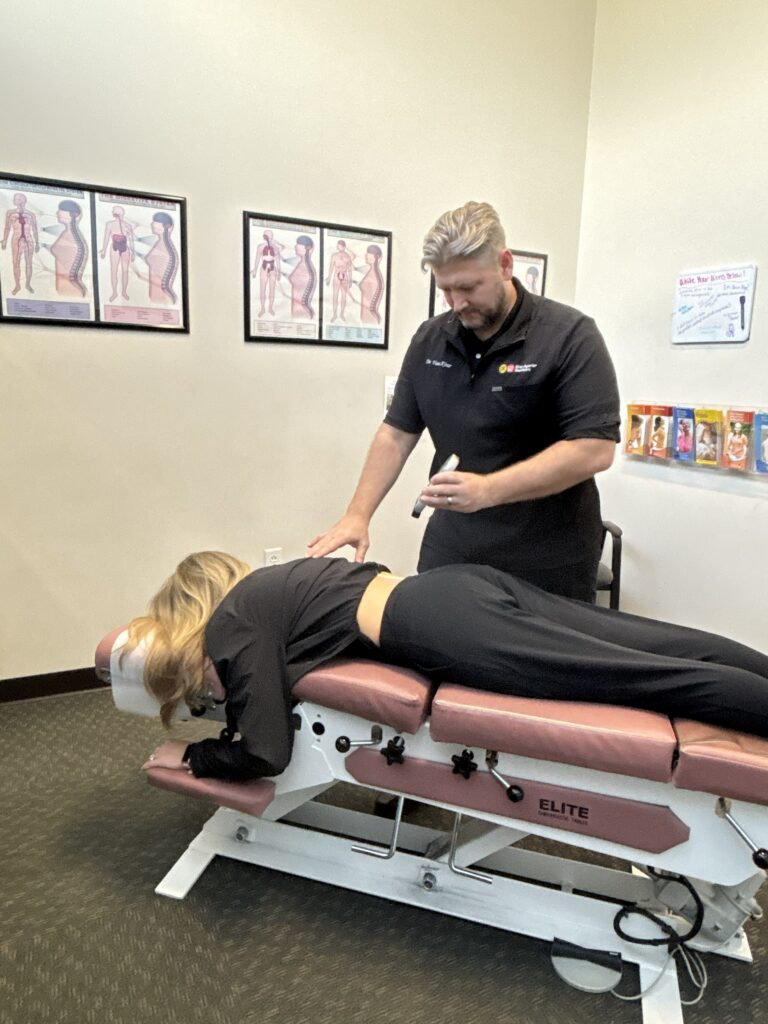
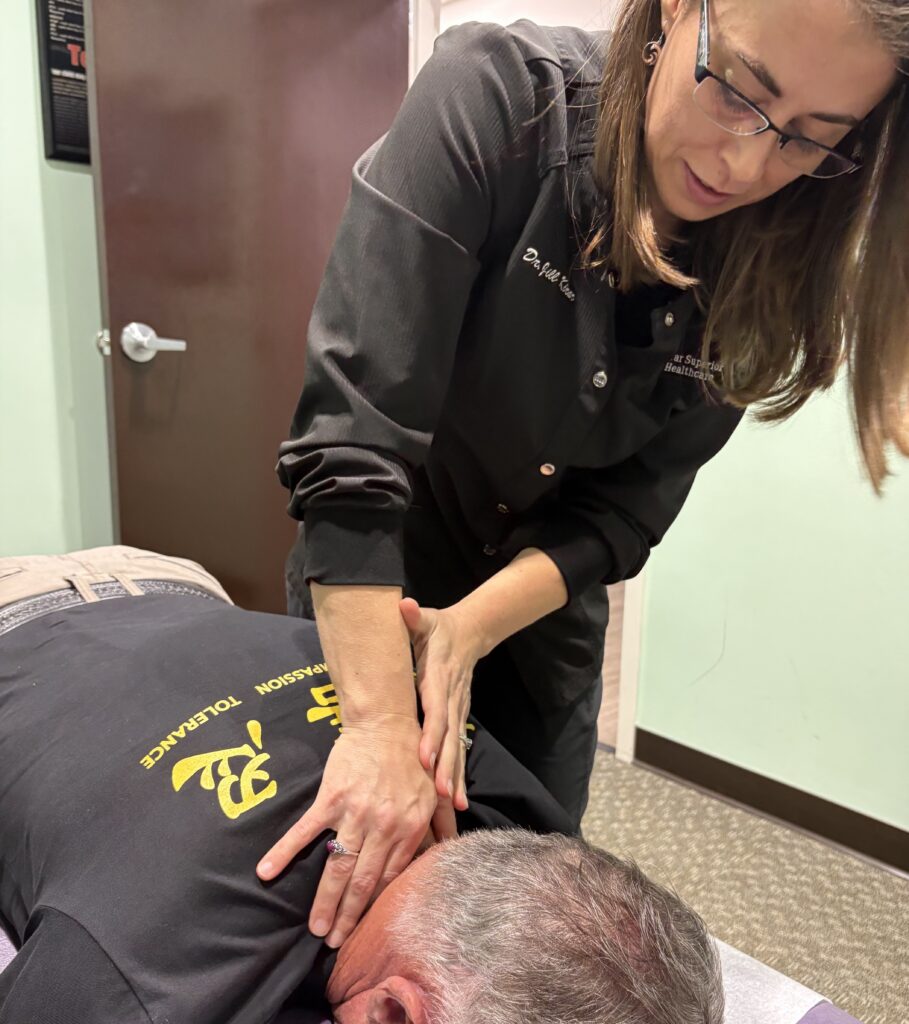
Spinal adjustments: Gentle, precise adjustments restore proper alignment to the spine, reducing nerve interference and improving joint mobility.
Postural rehabilitation: We teach you exercises and stretches designed to strengthen weak muscles and release tight ones, helping your body hold better alignment on its own.
Ergonomic guidance: Small changes to your workspace, car seat, or sleep setup can make a massive difference in reducing daily postural strain.
Lifestyle coaching: We help you build habits that support long-term spinal health, in alignment with the 100 Year Lifestyle principles of proactive, wellness-focused care.
Chiropractic care isn’t just about feeling better this week. It’s about giving your body the tools and support it needs to thrive for decades. When you commit to improving your posture now, you’re investing in a future where you can move freely, sleep soundly, and enjoy life without chronic pain holding you back.
Practical Tips to Improve Your Posture Today
You don’t have to wait for a chiropractic appointment to start making positive changes. Here are some practical, evidence-based tips you can implement right now to begin improving your posture and reducing strain on your spine:
Set up your workstation correctly. Your computer monitor should be at eye level, about an arm’s length away. Your chair should support your lower back, and your feet should rest flat on the floor. Your elbows should be at a 90-degree angle when typing.
Take movement breaks. Set a timer to stand up, stretch, and move every 30 to 45 minutes. Even a one-minute break can reset your posture and relieve tension.
Bring your phone up, not your head down. Hold your phone at eye level instead of looking down at it. This simple shift can dramatically reduce strain on your neck.
Strengthen your core. A strong core supports your spine and makes it easier to maintain good posture throughout the day. Focus on exercises that target the deep stabilizing muscles, not just the superficial abs.
Practice chin tucks. Gently draw your chin back, as if making a double chin, to counteract forward head posture. Hold for a few seconds and repeat throughout the day.
Sleep on your back or side. Avoid sleeping on your stomach, which can strain your neck and lower back. Use a supportive pillow that keeps your head and neck aligned with your spine.
Be mindful of your posture. Throughout the day, check in with yourself. Are your shoulders relaxed? Is your head balanced over your shoulders? Are you sitting or standing tall? Awareness is the first step to change.
These tips are simple, but when practiced consistently, they can make a profound difference in how your body feels—not just today, but years from now. That’s the essence of the 100 Year Lifestyle: making small, sustainable changes that add up to a lifetime of vitality.
When to See a Chiropractor
It’s always a good idea to have your spine evaluated by a chiropractor, even if you’re not currently in pain. Prevention is far easier than correction. However, there are certain signs that indicate it’s time to seek care sooner rather than later:
Persistent pain: If you’ve had neck pain, lower back pain, or headaches for more than a few weeks, it’s time to get evaluated. Chronic pain is a sign that something isn’t functioning properly.
Limited range of motion: If you have trouble turning your head, bending forward, or moving without stiffness, your spine may be out of alignment.
Postural changes: If you’ve noticed your posture getting worse—shoulders rounding, head jutting forward—early intervention can prevent long-term complications.
Radiating symptoms: Numbness, tingling, or weakness in your arms or legs can indicate nerve compression and should be addressed promptly.
Frequent headaches: If you experience tension headaches or migraines regularly, especially if they coincide with neck stiffness, chiropractic care may help.
There are also red flags that warrant immediate medical attention, such as sudden severe pain, loss of bowel or bladder control, unexplained weight loss, or trauma. In those cases, seek emergency care right away. For most posture-related issues, however, chiropractic care is a safe, effective, and non-invasive option.

Posture Mistakes vs. Corrections
| Common Posture Mistake | Why It’s Harmful | Correction |
|---|---|---|
| Looking down at your phone | Adds 30+ pounds of strain to your neck, leading to forward head posture and pain | Hold your phone at eye level and take frequent breaks |
| Slouching in your chair | Flattens the lumbar curve, strains the lower back, and compresses discs | Sit with your back supported, feet flat, and maintain a slight arch in your lower back |
| Rounded shoulders | Tightens chest muscles, weakens upper back, and restricts breathing | Pull shoulders back and down, open your chest, and strengthen your upper back muscles |
| Standing with weight on one leg | Causes uneven stress on the hips and lower back, leading to misalignment | Distribute weight evenly on both feet and engage your core |
| Sleeping on your stomach | Twists the neck and strains the lower back | Sleep on your back or side with proper pillow support |
Myths vs. Facts About Posture
Myth: Poor posture is just cosmetic—it doesn’t really cause pain.
Fact: Poor posture directly affects the biomechanics of your spine and muscles. Over time, it leads to muscle imbalances, joint dysfunction, and chronic pain. It’s not just about appearance—it’s about how your body functions.
Myth: You can’t fix posture once it’s been bad for years.
Fact: While long-standing postural issues take time and effort to correct, improvement is absolutely possible. With chiropractic care, corrective exercises, and awareness, you can retrain your body and reduce pain at any age.
Myth: Chiropractic adjustments are only for back pain.
Fact: Chiropractic care addresses the entire spine and nervous system. It’s highly effective for neck pain, headaches, posture correction, and overall wellness—not just back pain.
Myth: Good posture means sitting or standing perfectly straight all the time.
Fact: Good posture isn’t about being rigid. It’s about balanced alignment that allows your body to move efficiently and without strain. Movement and variety are just as important as alignment.
Myth: Posture problems are inevitable as you age.
Fact: While some degenerative changes occur naturally with age, poor posture accelerates the process. Many people maintain excellent posture and spinal health well into their senior years by staying active, getting regular chiropractic care, and being mindful of their habits.
Final Thoughts
The cost of poor posture isn’t always visible in the moment, but it compounds over time. What starts as mild discomfort can evolve into chronic lower back pain, persistent headaches, debilitating neck pain, and a body that feels decades older than it should. The good news is that you have the power to change the trajectory. By addressing your posture today—through awareness, ergonomic changes, movement, and chiropractic care—you can protect your spine and nervous system for the long haul.
Here in Goose Creek, the team at Kirar Superior Healthcare is committed to helping you build a foundation for lifelong health. We believe in the 100 Year Lifestyle philosophy: that your choices today shape your vitality tomorrow, next year, and for decades to come. Whether you’re dealing with pain now or simply want to stay ahead of problems before they start, we’re here to support you every step of the way. Your spine is designed to last a lifetime—let’s make sure it does.
Frequently Asked Questions
Can poor posture cause permanent damage to my spine?
Poor posture can accelerate degenerative changes in the spine, such as disc degeneration and arthritis, but with early intervention and corrective care, much of the damage can be slowed or even reversed. The key is addressing it sooner rather than later.
How long does it take to correct poor posture?
It depends on how long you’ve had poor posture and the severity of the imbalances. Some patients notice improvements within weeks, while others may need several months of consistent care and exercises. Progress is gradual but sustainable.
Is it too late to fix my posture if I’m in my 50s or 60s?
It’s never too late to improve your posture. While it may take more time and effort, chiropractic care and corrective exercises can still make a significant difference in how you feel and function, even later in life.
Does chiropractic care hurt?
Most chiropractic adjustments are gentle and painless. Some patients experience mild soreness afterward, similar to what you might feel after a workout, but this typically resolves within a day or two.
Can I improve my posture without seeing a chiropractor?
You can certainly make improvements on your own with awareness, stretching, and strengthening exercises. However, if there are underlying spinal misalignments or muscle imbalances, chiropractic care can address those root causes more effectively and help you progress faster.
Will improving my posture help with my energy levels?
Yes. Better posture improves breathing, circulation, and nervous system function, all of which contribute to higher energy levels and reduced fatigue. Many patients report feeling more alert and less drained after correcting their posture.
TL;DR – Key Takeaways
- Poor posture leads to chronic lower back pain, headaches, and neck pain that worsen over time if left unaddressed.
- Forward head posture, slouching, and rounded shoulders create long-term strain on muscles, joints, and discs.
- Chiropractic care addresses the root causes of posture-related pain through spinal adjustments, corrective exercises, and lifestyle coaching.
- Simple daily changes—like adjusting your workstation, holding your phone at eye level, and taking movement breaks—can make a big difference.
- Adopting a 100 Year Lifestyle approach means investing in your spinal health today to enjoy a vibrant, pain-free future for decades to come.