If you’ve been living with nagging lower back pain, tension headaches that won’t quit, or a stiff neck that makes it hard to turn your head in the morning, you’ve probably wondered if there’s something better out there than just managing the discomfort. Here in Goose Creek, SC, more and more patients are asking our team at Kirar Superior Healthcare about laser therapy — and for good reason. It’s a safe, non-invasive, drug-free approach that’s helping people get real relief from some of the most common complaints we see every day. Whether you’ve heard about it from a friend or you’re doing your own research, this article will walk you through exactly what laser therapy is, how it works, and whether it might be right for you.
What Is Laser Therapy?
Laser therapy — also called low-level laser therapy (LLLT) or photobiomodulation — is a non-invasive treatment that uses specific wavelengths of light to stimulate healing at the cellular level. It reduces inflammation, accelerates tissue repair, and helps manage pain without drugs or surgery.
How Laser Therapy Works
The science behind laser therapy is more straightforward than it might sound. When specific wavelengths of light are directed at injured or inflamed tissue, they penetrate the skin and are absorbed by the cells beneath. This triggers a process called photobiomodulation — essentially, light energy is converted into cellular energy. Think of it like sunlight helping a plant grow, but at a microscopic, therapeutic level inside your body.
At the cellular level, this process stimulates mitochondria — the energy-producing structures inside your cells — to produce more adenosine triphosphate, or ATP. More ATP means your cells have greater capacity to repair themselves, reduce inflammation, and function optimally. Research published through the National Institutes of Health and reviewed by organizations like the Cochrane Library suggests that photobiomodulation has measurable effects on pain reduction and tissue healing, particularly in musculoskeletal conditions.
Laser therapy also helps reduce oxidative stress in damaged tissue, improves local blood circulation, and modulates nerve sensitivity — which is a big reason why patients often report reduced pain fairly quickly. It doesn’t mask the pain the way a medication does. Instead, it supports your body’s own healing mechanisms, which aligns naturally with the philosophy we embrace at Kirar Superior Healthcare: that your body is self-healing and self-regulating by design. When we remove interference and support that innate capacity, remarkable things happen.
That philosophy is at the heart of the 100 Year Lifestyle — the idea that true health isn’t just about feeling okay today, but about building a body that functions well for decades to come. Laser therapy fits perfectly into that long-term approach because it addresses root causes of pain and inflammation rather than simply suppressing symptoms.
Conditions It Helps: Lower Back Pain, Neck Pain & Headaches
Laser therapy has a broad range of applications, but three of the most common reasons patients in Goose Creek visit Kirar Superior Healthcare are lower back pain, neck pain, and headaches. These conditions tend to share some underlying contributors — poor posture, spinal misalignment, muscle tension, and chronic inflammation — and laser therapy can play a meaningful role in addressing all three.
Lower Back Pain
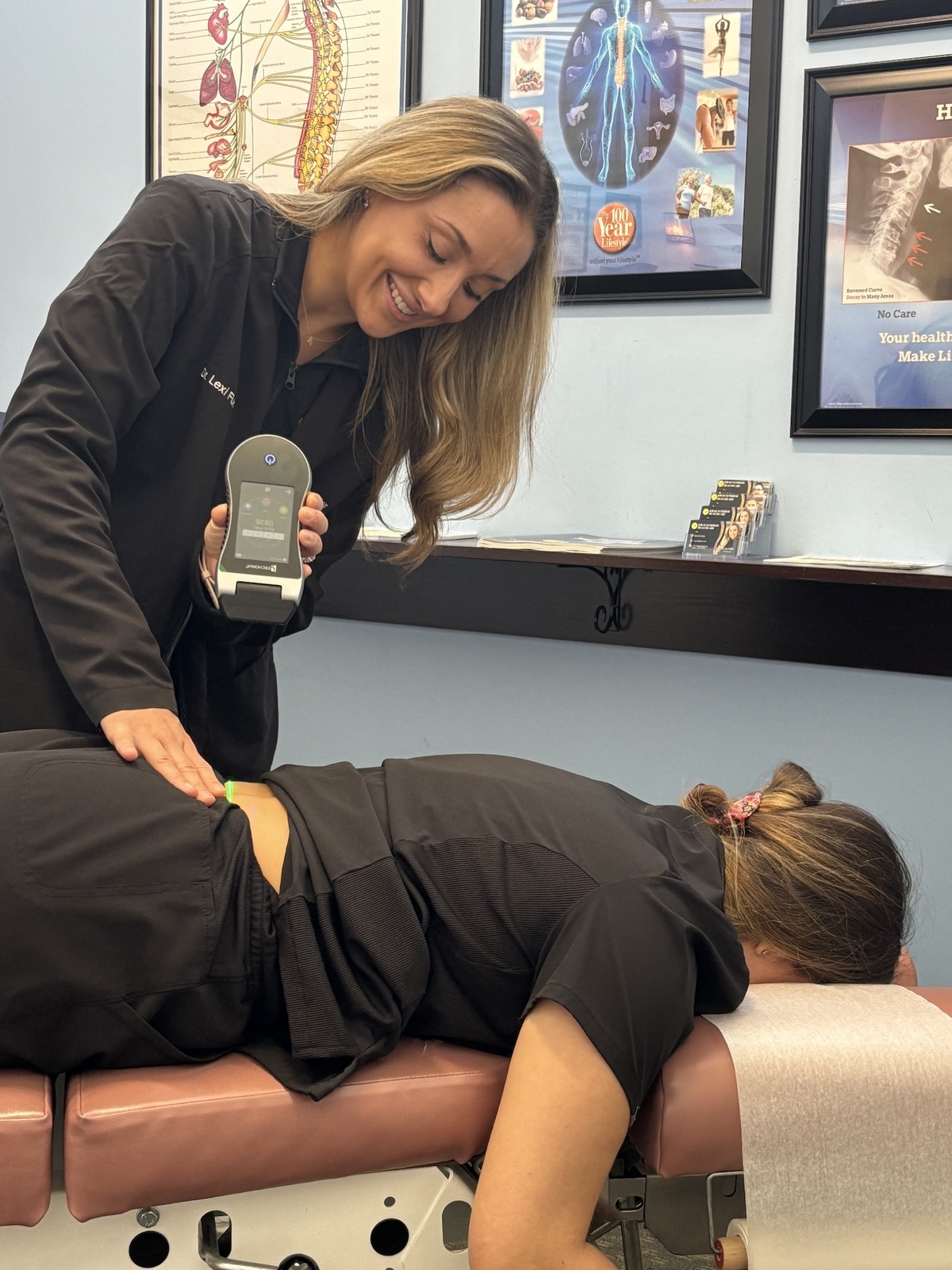
Lower back pain is one of the most prevalent musculoskeletal complaints worldwide, and it’s something our team works with every single day. Whether it’s a dull ache from sitting too long, sharp pain from a herniated disc, or tightness from a muscle strain, the underlying inflammation and nerve irritation can be significant. Laser therapy helps by reducing that inflammatory response in the soft tissue, stimulating cellular repair in damaged structures, and calming sensitized nerves in the lumbar region.
For patients dealing with chronic lower back pain who haven’t found adequate relief through rest or medication alone, laser therapy used alongside chiropractic adjustments can be a meaningful step toward lasting change. The 100 Year Lifestyle encourages us to stop settling for “good enough” — your back should support you not just this year, but well into your 80s, 90s, and beyond.
Neck Pain
Neck pain is increasingly common, and much of that has to do with how we spend our time — looking down at phones, hunching over laptops, driving long commutes. This creates a pattern of sustained muscle tension and spinal stress in the cervical spine that, left unchecked, can lead to degeneration over time. Laser therapy helps reduce the muscular inflammation and joint irritation that accompany these patterns, making it easier for the cervical spine to respond to chiropractic care and regain proper alignment and mobility.
Headaches
Many headaches — particularly tension-type headaches and cervicogenic headaches (those originating from the neck) — have a strong musculoskeletal component. Tight muscles at the base of the skull, restricted joint movement in the upper cervical spine, and nerve irritation can all contribute to head pain that feels relentless. Laser therapy applied to the cervical and suboccipital regions can help reduce that tension and nerve sensitivity, offering relief that complements chiropractic adjustments without any medication side effects.
How Chiropractic Care and Laser Therapy Work Together
Laser therapy is rarely used in isolation at our practice. It works best as part of a comprehensive, individualized care plan. At Kirar Superior Healthcare, Dr. Vance Kirar and our team take a whole-person approach to every patient. That starts on day one — we will take X-rays on the first visit if needed to get a clear picture of your spinal structure and identify the root cause of your symptoms. Understanding what’s happening in your spine is essential before any treatment begins.
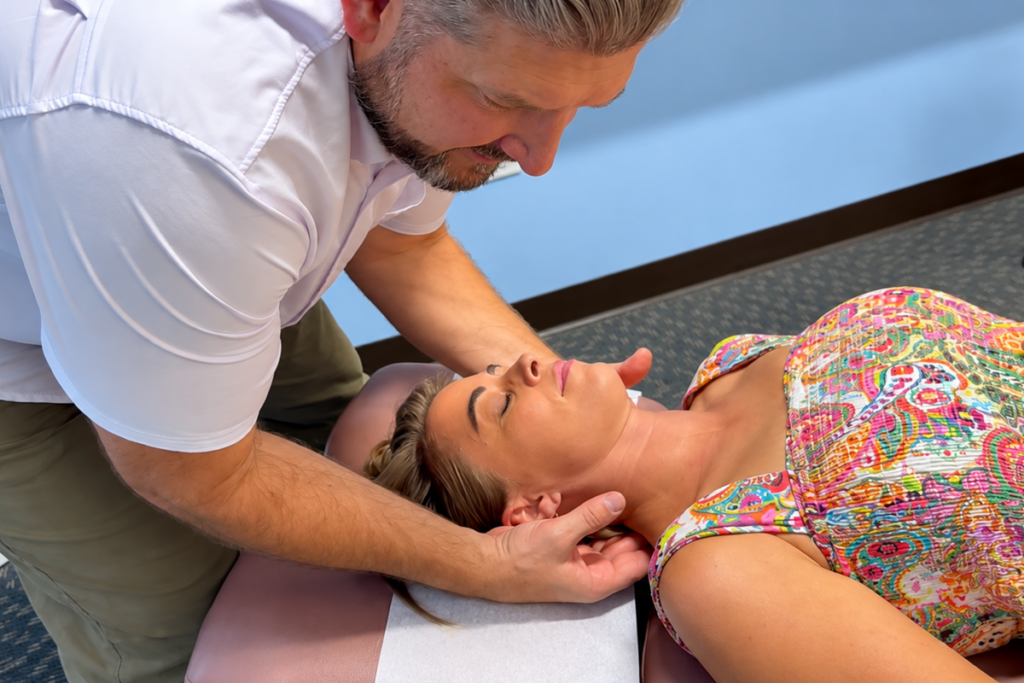
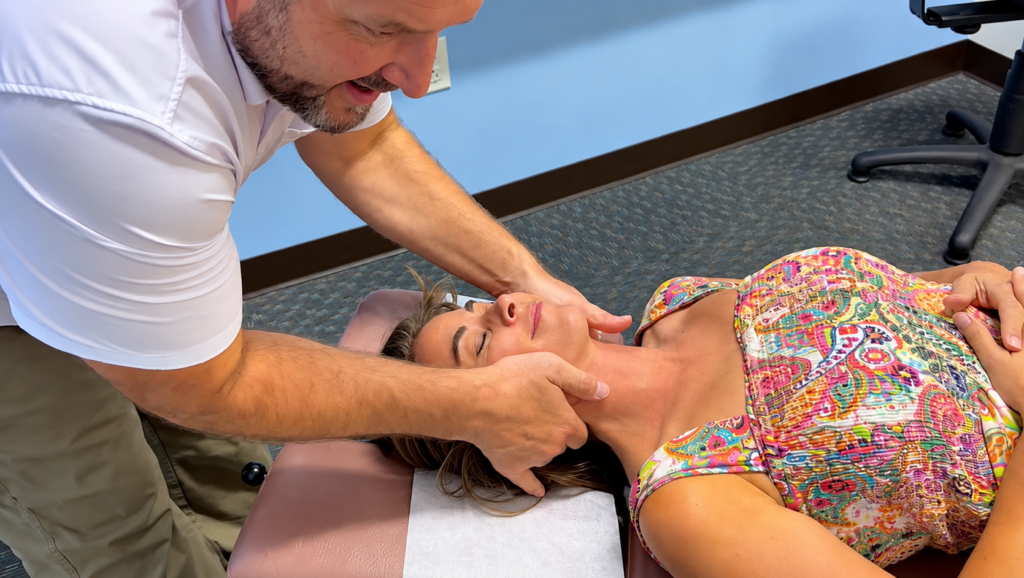
Chiropractic adjustments restore proper alignment and movement to the spine, which removes interference in the nervous system and allows your body to communicate and heal more effectively. Laser therapy complements this by reducing the inflammation and tissue damage that often surround spinal misalignments, making adjustments more comfortable and their effects more lasting. Together, they create a synergistic effect that neither approach achieves as well on its own.
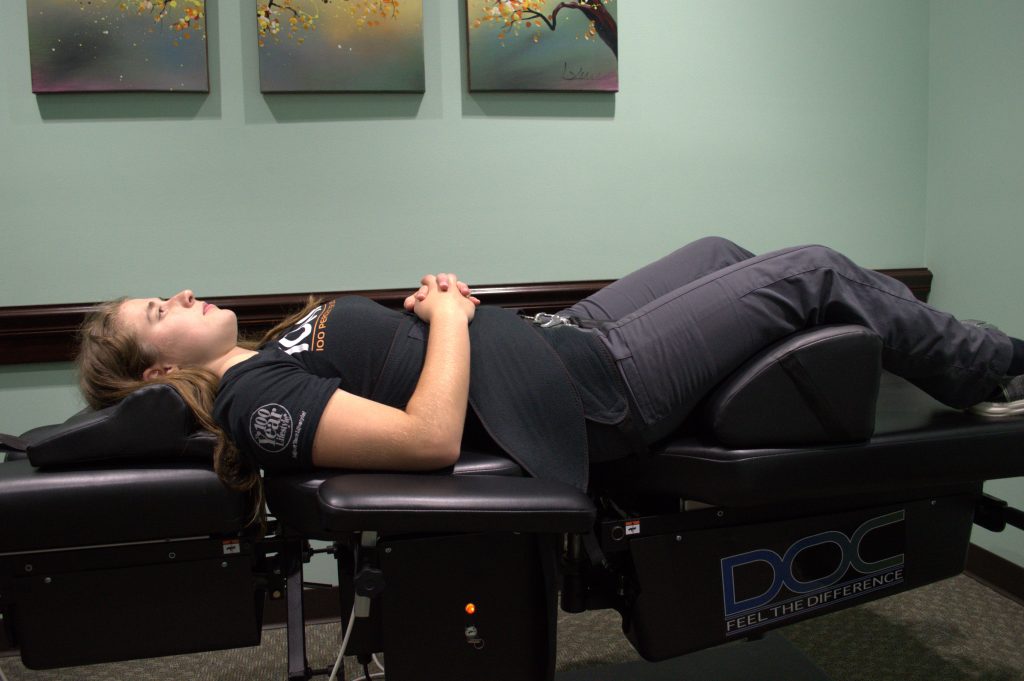
For patients with lower back pain specifically, spinal decompression is another powerful tool our team incorporates when appropriate. Spinal decompression gently creates negative pressure within the discs, allowing herniated or bulging disc material to retract and promoting the flow of nutrients back into the damaged disc. If you’d like to understand how spinal decompression can help relieve lower back pain, the video below explains the process clearly and is worth a few minutes of your time.
Living a 100 Year Lifestyle means building a healthcare strategy — not just reacting to pain when it flares up. When laser therapy, chiropractic care, and spinal decompression are layered intentionally, they don’t just treat today’s symptoms. They contribute to the kind of spinal health that supports your quality of life for the long haul.
What to Expect During a Laser Therapy Session
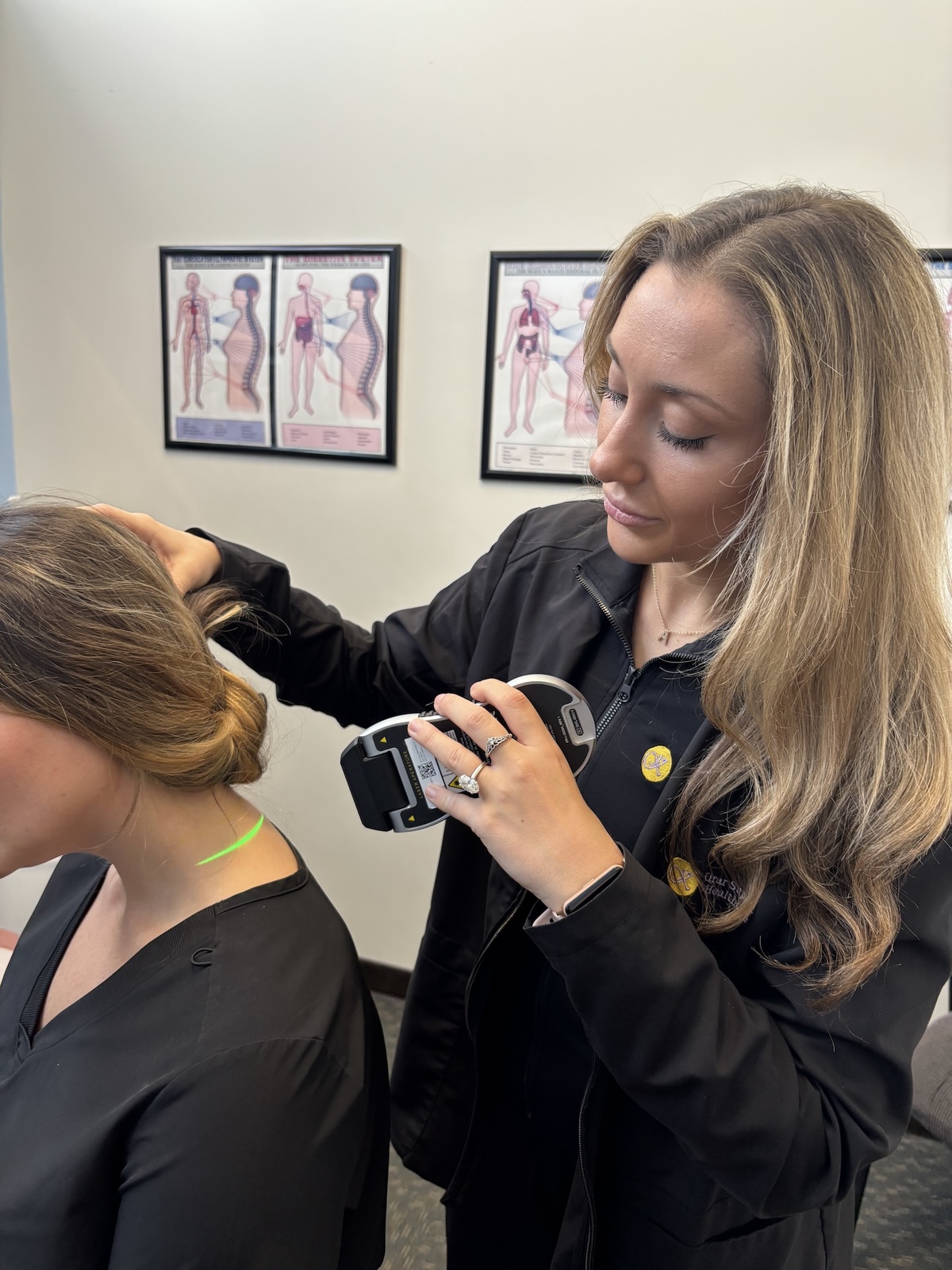
One of the most common questions we hear is, “Does laser therapy hurt?” The short answer is no. Most patients describe the sensation as a gentle warmth over the treatment area. There’s no cutting, no needles, and no downtime. A session typically lasts between five and twenty minutes depending on the area being treated and the depth of penetration needed.
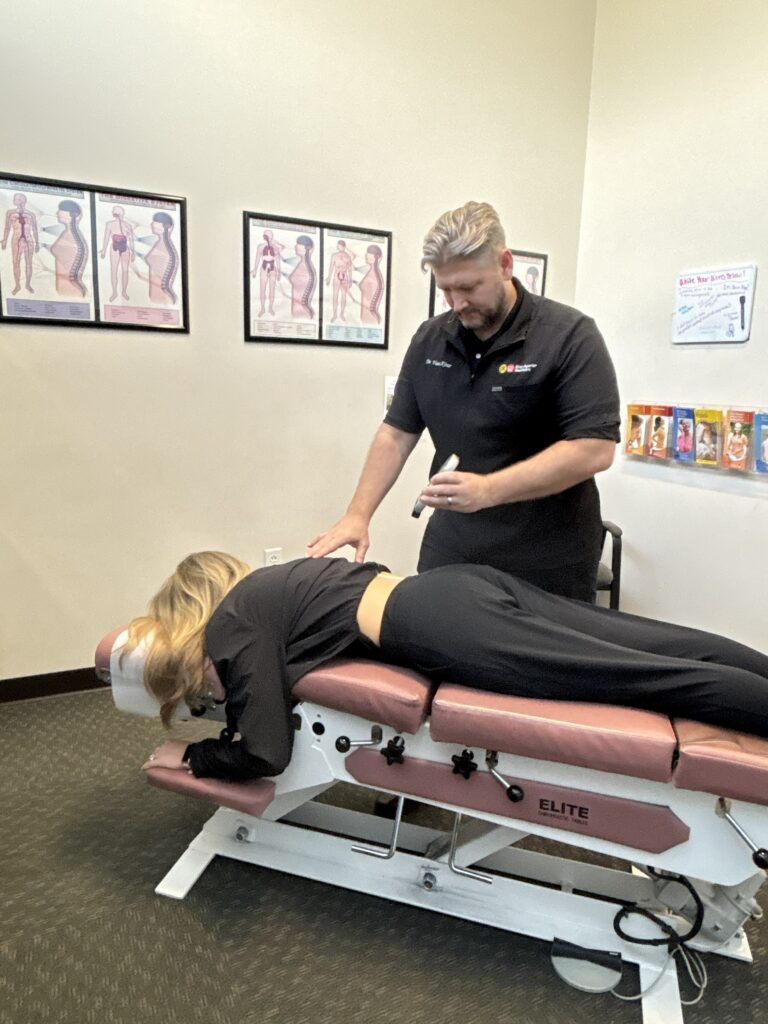
The laser device is moved over the skin in the targeted region, and patients remain fully clothed in most cases. Some people notice improvement after just a few sessions. Others with more chronic or complex conditions may need a longer course of care before they see significant changes. Every person is different, and our team builds care plans around your specific needs, history, and goals — not a one-size-fits-all protocol.
It’s also worth noting that laser therapy has an excellent safety profile when delivered by trained professionals. The lasers used in clinical settings are therapeutic, not surgical, and the parameters are carefully controlled to ensure you receive the right dose of energy for your condition.
Practical Tips to Support Your Recovery
Laser therapy and chiropractic care do the heavy lifting in the clinical setting, but what you do outside of appointments matters just as much. Here in Goose Creek, we encourage every patient to think of their care as a partnership — we provide the tools, and you support the process through daily habits that reinforce healing.
Staying hydrated is one of the simplest and most underrated things you can do. Your spinal discs are primarily water-based, and adequate hydration keeps them plump, resilient, and able to absorb the forces your body encounters each day. Aim for consistent water intake throughout the day rather than large amounts all at once.
Movement is medicine. If you’re dealing with lower back pain or neck pain, gentle and consistent movement — walking, light stretching, posture-conscious movement throughout your workday — supports circulation, reduces stiffness, and reinforces the benefits of your chiropractic and laser therapy sessions. Our team can guide you on which movements are appropriate for your specific condition.
Sleep posture also deserves attention. For neck pain sufferers, a supportive pillow that keeps your cervical spine in neutral alignment can make a real difference between waking up refreshed or waking up stiff. For lower back pain, sleeping on your side with a pillow between your knees reduces rotational stress on the lumbar spine. These are small adjustments that, over time, build the foundation for the kind of lasting health the 100 Year Lifestyle is all about.
When to See a Chiropractor About Your Pain
Pain is your body’s way of communicating that something needs attention. You don’t have to wait until it becomes unbearable to seek care — and honestly, the earlier you address it, the better your outcomes tend to be. If your lower back pain, neck pain, or headaches have lasted more than a few days, are interfering with your ability to sleep, work, or enjoy daily life, or keep coming back despite rest and over-the-counter remedies, it’s time to get a professional evaluation.
That said, there are certain symptoms that warrant immediate medical attention and should not wait for a chiropractic appointment. These include sudden severe pain following trauma or injury, loss of bladder or bowel control, numbness or weakness spreading into both legs or arms, or headaches accompanied by vision changes, confusion, or fever. If you experience any of these, seek emergency medical care right away.
For the vast majority of patients we see at Kirar Superior Healthcare in Goose Creek, SC, their pain is musculoskeletal in origin — meaning it’s absolutely within the scope of what we do and what laser therapy and chiropractic care are well-suited to address.
Laser Therapy vs. Other Common Pain Management Approaches
|
Approach |
Invasive? |
Drug-Free? |
Addresses Root Cause? |
Side Effects? |
Downtime? |
|---|---|---|---|---|---|
|
Laser Therapy |
No |
Yes |
Yes (promotes cellular healing) |
Minimal to none |
None |
|
Over-the-Counter Pain Medication |
No |
No |
No (symptom management only) |
Possible GI issues, dependency risk |
None |
|
Cortisone Injections |
Yes |
No |
No (anti-inflammatory, not corrective) |
Yes (tissue breakdown with repeated use) |
Short recovery period |
|
Chiropractic Adjustment |
No |
Yes |
Yes (restores spinal alignment) |
Mild soreness in some cases |
None |
|
Surgery |
Yes |
No |
Sometimes |
Yes (significant risks) |
Weeks to months |
Myths vs. Facts About Laser Therapy
Myth: Laser therapy is experimental and not backed by evidence.
Fact: Photobiomodulation has been studied extensively and is referenced in peer-reviewed literature, including reviews from organizations like the NIH and NCCIH. While research is still growing, it is widely accepted in conservative musculoskeletal care as a legitimate, evidence-informed treatment option for conditions including lower back pain and neck pain.
Myth: Laser therapy is the same as laser surgery and can cause burns.
Fact: Therapeutic lasers used in chiropractic and rehabilitation settings operate at much lower intensities than surgical lasers. They are designed to stimulate tissue, not cut or ablate it. When used by trained practitioners, the safety profile is excellent and the experience is generally very comfortable for patients.
Myth: You’ll feel better after just one session.
Fact: Some patients do notice improvement fairly quickly, but most chronic conditions — like long-standing lower back pain or recurring headaches — require a consistent course of care. Healing takes time, especially when the problem has been building for months or years. Our team sets realistic expectations so you understand your progress every step of the way.
Myth: Laser therapy is a cure-all that works for everyone.
Fact: Laser therapy is a valuable tool, but it works best as part of a comprehensive, individualized care plan. It isn’t appropriate for every patient or every condition, which is exactly why a thorough evaluation — including X-rays when needed — is the right starting point at Kirar Superior Healthcare.
Myth: Once your pain is gone, you don’t need to continue care.
Fact: Pain relief is a great first milestone, but it isn’t the finish line. The 100 Year Lifestyle reminds us that the goal isn’t just to feel better today — it’s to function at a high level for your entire life. Continuing with proactive, maintenance-based chiropractic care after your acute symptoms resolve is one of the best investments you can make in your long-term health.
Final Thoughts from Kirar Superior Healthcare
Living without pain isn’t a luxury — it’s something your body is capable of when given the right support. Here in Goose Creek, SC, our team at Kirar Superior Healthcare is passionate about helping patients move better, feel better, and live fully at every age and stage of life. Dr. Vance Kirar and our entire care team bring a thoughtful, whole-person approach to every patient we see, and laser therapy is one of the powerful tools we use to make that possible.
Whether you’re struggling with lower back pain that’s been slowing you down, neck pain from hours at a desk, or tension headaches that seem to come with the territory of a busy life, you deserve care that actually addresses what’s happening — not just something to get you through the week. The 100 Year Lifestyle isn’t about surviving to old age. It’s about thriving through it. And that journey starts with the choices you make today.
If you’re curious about laser therapy and whether it might be right for your situation, we’d love to have a conversation. Our team is here, we’re local, and we care about this community. Reach out to Kirar Superior Healthcare in Goose Creek and take that first step toward the kind of health that truly lasts.
Frequently Asked Questions
Is laser therapy safe?
Yes. Therapeutic laser therapy has a strong safety profile and is non-invasive. When administered by trained practitioners, there is minimal to no risk of adverse effects. It is not the same as surgical laser technology.
How many laser therapy sessions will I need?
The number of sessions varies depending on the nature and severity of your condition. Acute issues may respond in fewer visits, while chronic conditions like long-standing lower back pain or recurring headaches typically require a more extended course of care. Our team will outline a plan specific to your needs.
Can laser therapy help with both neck pain and headaches at the same time?
Absolutely. Many headaches are cervicogenic — meaning they originate from tension and dysfunction in the neck. Laser therapy applied to the cervical spine and surrounding soft tissue can address both the neck pain and the headaches that stem from it simultaneously.
Will you take X-rays before starting laser therapy?
We will take X-rays on the first visit if needed. Getting a clear view of your spinal structure helps us understand the root cause of your pain and design the most effective, individualized care plan for you.
Is laser therapy covered by insurance?
Coverage varies widely depending on your individual insurance plan. We recommend contacting your insurance provider directly to understand your benefits. Our team can also assist you in navigating this when you come in for your evaluation.
Can laser therapy be used alongside chiropractic adjustments?
Yes — and in fact, that combination is one of the most effective approaches we use at Kirar Superior Healthcare. Chiropractic adjustments correct spinal alignment and nervous system interference, while laser therapy reduces inflammation and promotes tissue healing, making the two therapies highly complementary.
TL;DR Summary
-
Laser therapy (photobiomodulation) uses specific wavelengths of light to reduce pain and inflammation by stimulating cellular healing — no drugs, no surgery, no downtime.
-
It is especially effective for lower back pain, neck pain, and headaches, conditions our team at Kirar Superior Healthcare in Goose Creek, SC sees regularly.
-
Laser therapy works best as part of a comprehensive care plan that may include chiropractic adjustments and, when appropriate, spinal decompression.
-
Our team will take X-rays on the first visit if needed to ensure your care is rooted in a clear understanding of your spinal health.
-
The goal isn’t just short-term pain relief — it’s building the kind of long-term, resilient health that allows you to thrive for a lifetime, consistent with the 100 Year Lifestyle philosophy.