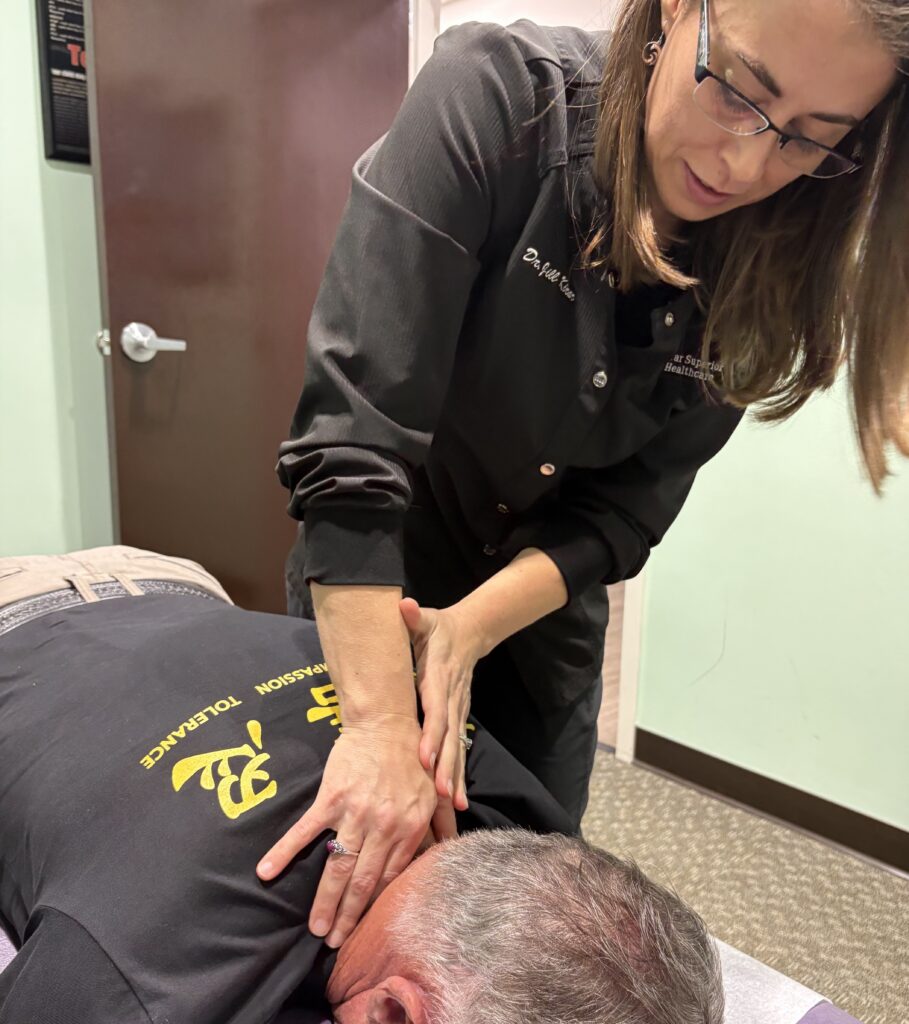

If you’re living with fibromyalgia, managing your symptoms can feel overwhelming. However, there are effective, natural strategies that can help alleviate your discomfort. As a chiropractor, I believe that chiropractic care is one of the best ways to achieve optimal health and relieve pain. By integrating mindfulness techniques, engaging in regular physical activity, and making thoughtful dietary adjustments, you may find significant relief and improve your overall well-being.
Let’s explore how these methods can work together to support you in a holistic way.
- Chiropractic Care: Regular visits to your chiropractor can help align your spine and relieve tension in your muscles, which may reduce pain and improve mobility. Chiropractic adjustments can enhance your nervous system function, promoting better communication within your body and potentially alleviating some fibromyalgia symptoms.
- Mindfulness Techniques: Incorporating mindfulness practices, such as meditation or deep breathing exercises, can help manage stress and improve your mental clarity. These techniques can complement chiropractic care by enhancing relaxation and allowing your body to heal naturally.
- Regular Physical Activity: Gentle forms of exercise, such as walking, swimming, or yoga, can be beneficial. Physical activity helps improve circulation, boosts endorphins (your body’s natural painkillers), and increases flexibility. Pairing these exercises with chiropractic adjustments can lead to a more balanced and pain-free body.
- Dietary Adjustments: Eating a balanced diet rich in whole foods, lean proteins, and plenty of fruits and vegetables can support your body’s healing processes. Staying hydrated and avoiding processed foods can also make a significant difference. Your chiropractor can offer guidance on how nutrition ties into spinal health and overall wellness.
By embracing these natural approaches, you can take proactive steps toward alleviating fibromyalgia symptoms and enhancing your quality of life. Remember, chiropractic care is a vital part of this journey, helping you achieve the pain relief and wellness you deserve.
Key Takeaways
- Engage in daily mindfulness practices like deep breathing and guided meditation to reduce stress and enhance relaxation. This not only calms the mind, but can also help ease tension in your body, making chiropractic care even more effective.
- Incorporate gentle physical activities such as walking, swimming, or yoga into your routine. These activities improve flexibility and promote overall well-being, complementing the adjustments you receive in chiropractic care.
- Consider following an anti-inflammatory diet rich in fruits, vegetables, and omega-3 sources. This can help manage fibromyalgia symptoms and support your body’s natural healing processes, which chiropractic care also promotes.
- Talk to your chiropractor about the potential benefits of supplements like magnesium and Vitamin D. They can help reduce fatigue and discomfort, enhancing the overall results of your chiropractic treatments.
- Utilize chiropractic care to improve spinal alignment, enhance mobility, and relieve pain. Regular adjustments not only provide immediate relief but also help your body function at its best, making them an essential part of a holistic approach to managing fibromyalgia symptoms.
Practice Mindfulness and Relaxation Techniques
Managing fibromyalgia can be tough, but incorporating mindfulness and relaxation techniques into your routine can be a great way to alleviate your symptoms naturally. These practices help ground you in the present moment, reduce stress, and foster a sense of calm—elements that are essential for overall wellness.
Start by dedicating just a few minutes each day to deep breathing exercises. Inhale slowly through your nose, hold it for a moment, and then exhale gently through your mouth. This simple yet effective technique can help reduce anxiety and tension, promoting a more relaxed state.
Guided meditation or visualization exercises are also excellent options. They allow you to step away from daily stressors and immerse yourself in a tranquil mental space. Additionally, incorporating yoga and progressive muscle relaxation can enhance your experience, as they blend gentle movement with mindfulness, further supporting your body and mind.
Creating a consistent routine is vital for maximizing the benefits of these techniques. Identify a time that suits your schedule best, and commit to practicing regularly. Consistency is key to achieving lasting improvements in your well-being.
Incorporate Regular Physical Activity
Incorporating regular physical activity is a vital part of managing fibromyalgia symptoms and enhancing your overall well-being.
Engaging in gentle movements can significantly improve your energy levels, decrease pain, and lift your mood.
As a chiropractor, I emphasize the importance of natural, holistic approaches to health, and physical activity is a key component of that.
Here are some gentle activities you can easily add to your routine to support your journey towards wellness:
- Walking: Take a leisurely stroll around your neighborhood or in a nearby park. This simple activity not only gets you moving but also allows you to enjoy the calming effects of nature.
- Swimming: Dive into a pool for a low-impact workout that can be particularly soothing for joint pain. The buoyancy of water reduces stress on your body while providing a great way to maintain fitness.
- Yoga: Incorporate gentle stretches and positions that promote relaxation and flexibility. Yoga can help improve your posture, which is essential for spinal health, and can be especially beneficial for those with fibromyalgia.
- Cycling: Whether you prefer riding outdoors or using a stationary bike, cycling at a comfortable pace can be a fantastic way to elevate your heart rate without putting too much strain on your body.
- Tai Chi: This ancient practice combines slow, flowing movements with mindfulness and deep breathing. It can enhance your balance, flexibility, and overall mental clarity while reducing stress.
As you begin to integrate these activities into your routine, start at a pace that feels comfortable for you.
Pay attention to how your body responds and gradually increase your activity level as you feel more capable.
Remember, the goal is to support your body naturally and promote healing without the need for medications or invasive procedures.
In addition to these activities, regular chiropractic care can further enhance your physical activity efforts.
Chiropractors focus on aligning the spine and optimizing your nervous system function, which can improve your overall physical performance and relieve pain.
Explore Dietary Adjustments and Supplements
Exploring dietary adjustments and supplements can play a vital role in managing fibromyalgia symptoms and promoting overall health, especially when combined with chiropractic care. As a chiropractor, I believe in a holistic approach to wellness that includes not just spinal adjustments but also lifestyle modifications that support your body’s natural healing processes.
One effective way to help manage pain and inflammation is by focusing on an anti-inflammatory diet. This means incorporating plenty of colorful fruits and vegetables, whole grains, and lean proteins into your meals. Foods rich in omega-3 fatty acids, such as fish and flaxseeds, are particularly beneficial in reducing inflammation and alleviating pain.
You may also want to consider cutting out processed foods, sugars, and gluten from your diet. Many individuals find that these foods can trigger their symptoms. Staying well-hydrated is another simple yet crucial step—make sure to drink plenty of water throughout the day to support your overall health.
In addition to dietary changes, certain supplements can provide support as well. Magnesium, vitamin D, and coenzyme Q10 are known to help reduce fatigue and muscle discomfort. However, it’s always wise to consult with a healthcare professional before starting any new supplements to ensure they align with your health needs.
Remember, chiropractic care is a powerful ally in your journey to managing fibromyalgia symptoms. Regular adjustments can help improve your spinal function, enhance mobility, and reduce pain. By combining chiropractic treatments with healthy dietary habits and appropriate supplements, you can take significant steps toward achieving optimal health and well-being.
Keep these tips in mind, and don’t hesitate to reach out to your chiropractor for personalized advice and support on your wellness journey!
Conclusion
Managing fibromyalgia symptoms can be challenging, but incorporating chiropractic care into your wellness routine can provide significant relief. Chiropractic adjustments help to realign the spine, reduce tension, and improve overall bodily function, which can be especially beneficial for those dealing with chronic pain.
In addition to chiropractic care, consider adding mindfulness practices to your daily life. Techniques such as deep breathing, meditation, and gentle yoga can help reduce stress and promote relaxation. Staying active through low-impact exercises, like walking or swimming, can also improve your strength and flexibility, which may alleviate some of the discomfort associated with fibromyalgia.
Dietary adjustments can play a crucial role in your overall health as well. Focus on a balanced diet rich in whole foods, fruits, and vegetables, and consider incorporating anti-inflammatory options like omega-3 fatty acids. Staying hydrated is equally important for maintaining energy levels and overall wellness.
Remember, before making any significant changes to your routine, it’s always best to consult with your chiropractor or healthcare provider. By embracing these natural strategies, including regular chiropractic care, you can take proactive steps toward easing your discomfort and enhancing your quality of life. You’re on the right path to feeling better!