
Back pain doesn’t just hurt — it changes everything. It changes how you sleep, how you move, how you show up at work, and how you enjoy time with the people you love. If you’ve been dealing with lower back pain, neck pain, or headaches, you’re not alone. These are three of the most common reasons people in the Goose Creek area seek chiropractic care, and they’re also three of the most misunderstood. The good news? They often respond remarkably well to conservative, non-invasive care. At Kirar Superior Healthcare, our team believes that understanding your body is the first step toward lasting relief — and lasting health.
What causes back pain, neck pain, and headaches?
These symptoms are most commonly caused by dysfunction in the spine — misalignments, muscle imbalances, joint restrictions, and nerve irritation that build up over time. Chiropractic care addresses these root causes rather than simply masking symptoms, helping your body function the way it was designed to.
Lower Back Pain: Why It Happens and What’s Going On
Lower back pain is one of the leading causes of disability worldwide, according to the World Health Organization. That’s a sobering fact — but it also tells us something important. This isn’t a rare or unusual problem. It’s a widespread one that deserves real attention, not just a bottle of ibuprofen and a few days on the couch.
The lower back, or lumbar spine, carries an enormous amount of mechanical load every day. It supports the weight of your upper body, absorbs impact when you walk, bend, and lift, and houses a dense network of spinal nerves that travel down into the hips, legs, and feet. When something goes wrong in this region — whether it’s a disc issue, a misaligned vertebra, tight supporting muscles, or irritated spinal joints — the results can range from a dull, nagging ache to sharp, debilitating pain that stops you in your tracks.
Some of the most common contributors to lower back pain include prolonged sitting, poor posture, repetitive bending or lifting with poor mechanics, car accidents, sports injuries, and even chronic stress. In Goose Creek, our team sees a wide range of patients — from office workers who sit for eight or more hours a day, to laborers whose jobs demand constant physical output, to active families whose weekend activities catch up with them. The cause may be different, but the underlying spinal dysfunction is often similar.
One condition worth mentioning specifically is disc herniation, where the soft inner material of a spinal disc pushes outward and irritates surrounding nerves. This can cause radiating pain into the legs — often called sciatica — along with numbness, tingling, or weakness. Another common culprit is lumbar joint restriction, where the joints between vertebrae stop moving properly, creating localized stiffness and pain. Both of these conditions are among the most frequent findings during evaluations at Kirar Superior Healthcare.
From a 100 Year Lifestyle perspective, lower back pain is rarely just an isolated event — it’s often the visible signal of years of accumulated stress on the spine. The goal isn’t simply to get out of pain. It’s to restore proper function so your spine can serve you well for decades to come.
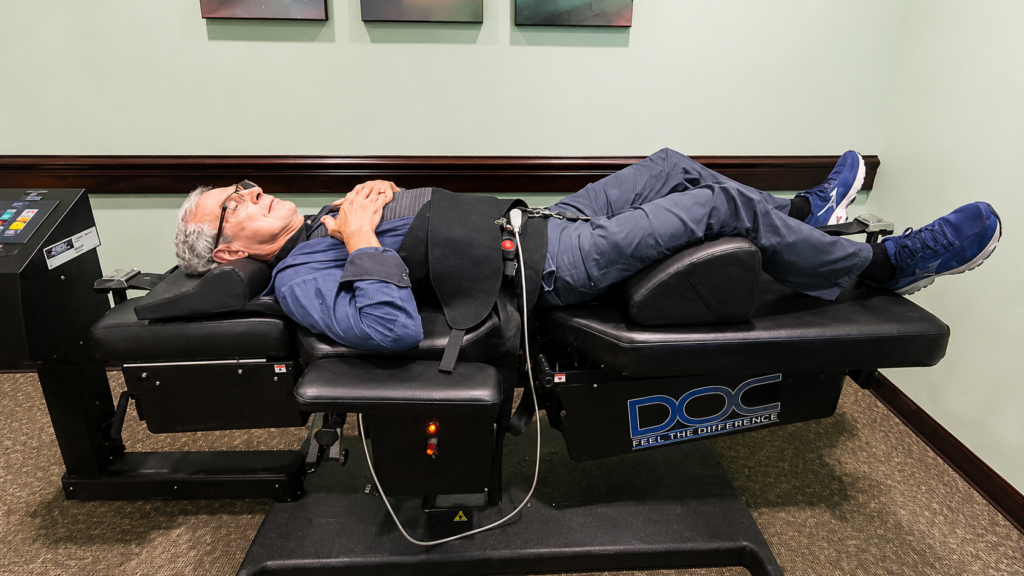
Spinal decompression therapy is one approach that can be especially effective for disc-related lower back pain. By gently stretching the spine and creating negative pressure within the disc, this therapy can help reduce nerve compression and encourage healing. If you’re curious about whether spinal decompression might be right for your lower back pain, ask our team for a full overview of how the process works and who it tends to benefit most.
Neck Pain: The Modern Epidemic Most People Ignore
Neck pain has become remarkably common in our technology-driven world, and it’s not hard to see why. Think about how many hours each day you spend looking down at a phone, hunching over a laptop, or sitting at a desk with your head jutting forward. Each inch your head moves forward from its neutral position multiplies the effective weight the neck muscles and cervical spine must support. What’s designed to carry roughly 10 to 12 pounds suddenly feels more like 40 to 60 pounds of strain — hour after hour, day after day.
The cervical spine — the seven vertebrae of the neck — is an incredibly complex and delicate structure. It protects the spinal cord, allows for a wide range of motion, and houses nerves that extend into the shoulders, arms, and hands. When these vertebrae become restricted or misaligned, the ripple effect can include localized neck stiffness, shoulder tension, arm pain, numbness in the fingers, and even jaw discomfort.
For residents of Goose Creek and the surrounding area, neck pain is often tied to daily routines that haven’t been ergonomically evaluated. The way your workstation is set up, how you hold your phone during a long conversation, the pillow you sleep on, and even how you carry tension when you’re stressed — all of these things influence the health of your cervical spine over time. Our team at Kirar Superior Healthcare takes a thorough look at these lifestyle factors during the evaluation process because addressing the root cause leads to far better outcomes than chasing symptoms.
Whiplash is another significant source of cervical spine dysfunction that’s easy to underestimate. Even a low-speed collision can cause the neck to snap forward and backward in ways that strain ligaments, irritate joints, and disrupt the natural curve of the cervical spine. Many people feel fine immediately after an accident, only to develop worsening stiffness, headaches, and restricted motion over the following days or weeks. This is why a thorough evaluation after any auto accident is so important.
The 100 Year Lifestyle philosophy teaches us that the nervous system is the master control system of the body. Your cervical spine protects the upper portion of that system. Keeping it healthy, mobile, and properly aligned isn’t just about avoiding neck pain — it’s about ensuring your brain and body can communicate at their full potential for life.
Headaches: When the Problem Starts in Your Spine
Most people treat headaches the same way — they reach for over-the-counter pain relievers and wait it out. And while that approach can provide temporary relief, it does absolutely nothing to address why the headaches keep coming back. For many people, the answer lies in the neck and upper cervical spine.
Cervicogenic headaches are headaches that originate from dysfunction in the cervical spine. They’re often mistaken for tension headaches or even migraines because the pain can be intense and is frequently felt in the head, behind the eyes, or across the temples. What sets them apart is that they typically originate at the base of the skull and are associated with restricted joint movement, muscle tightness, or nerve irritation in the upper neck. Chiropractors are specifically trained to identify and address this type of headache.
Tension-type headaches — the most common variety — are also strongly connected to muscular and postural issues in the neck and shoulders. Chronic tension in the trapezius, suboccipital, and sternocleidomastoid muscles can refer pain directly into the head, often creating that familiar “band-around-the-head” sensation that makes it hard to concentrate or function normally. In Goose Creek, a large portion of our headache patients are dealing with this exact pattern, and it tends to be directly linked to screen habits, poor posture, and stress.
Research published through the American Chiropractic Association and reviewed by organizations like the National Center for Complementary and Integrative Health suggests that spinal manipulation may be effective for reducing the frequency and intensity of certain types of headaches — particularly those with a cervical component. This is an area where chiropractic care can offer meaningful, lasting benefit rather than simply covering the pain with medication.
When you live with recurring headaches, they become normalized in a way that’s actually quite dangerous. You start to think they’re just “part of your life.” But from a 100 Year Lifestyle standpoint, chronic headaches are a signal that something in the body needs attention. Addressing that signal — rather than silencing it — is how you move from managing symptoms to building genuine, lasting health.
How Chiropractic Care Fits Into Your Recovery and Long-Term Health
Chiropractic care is built around a foundational principle: when the spine is properly aligned and the nervous system is free from interference, the body has a remarkable capacity to heal and regulate itself. This is not a belief in miracles — it’s an acknowledgment of basic biology. Your nervous system controls every function in your body. Protecting and optimizing its function is one of the most important things you can do for your overall health.
At Kirar Superior Healthcare in Goose Creek, Dr. Vance Kirar and our clinical team take a comprehensive approach to evaluating and addressing back pain, neck pain, and headaches. The process begins with a thorough consultation and examination. We will take X-rays on the first visit if needed — because seeing exactly what’s happening in your spine allows us to build a care plan that’s specific to you, not just to your symptoms.
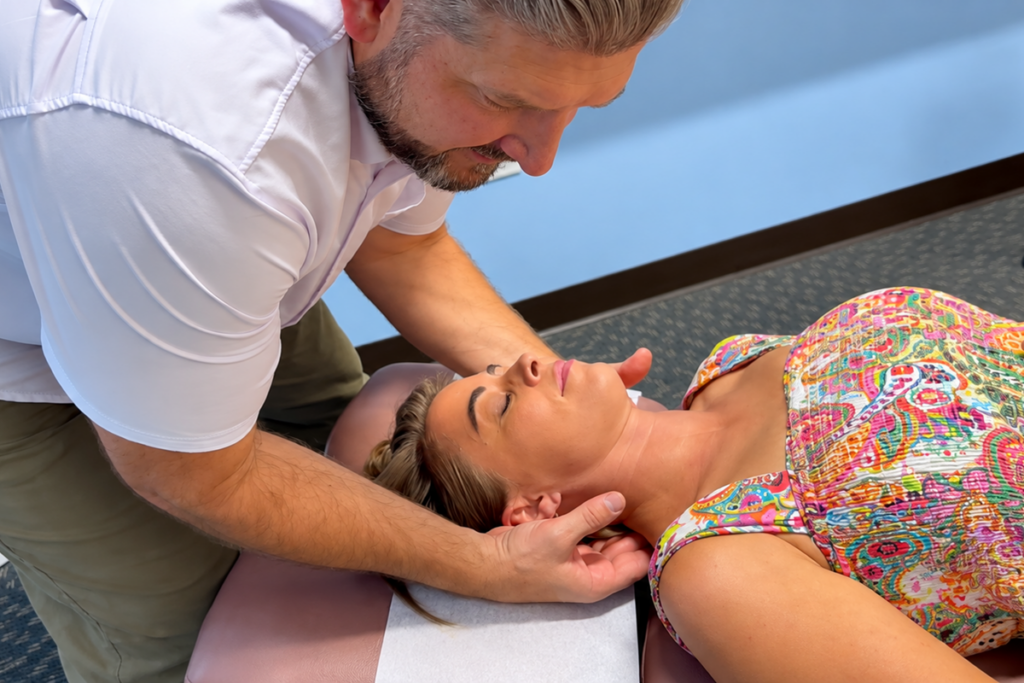
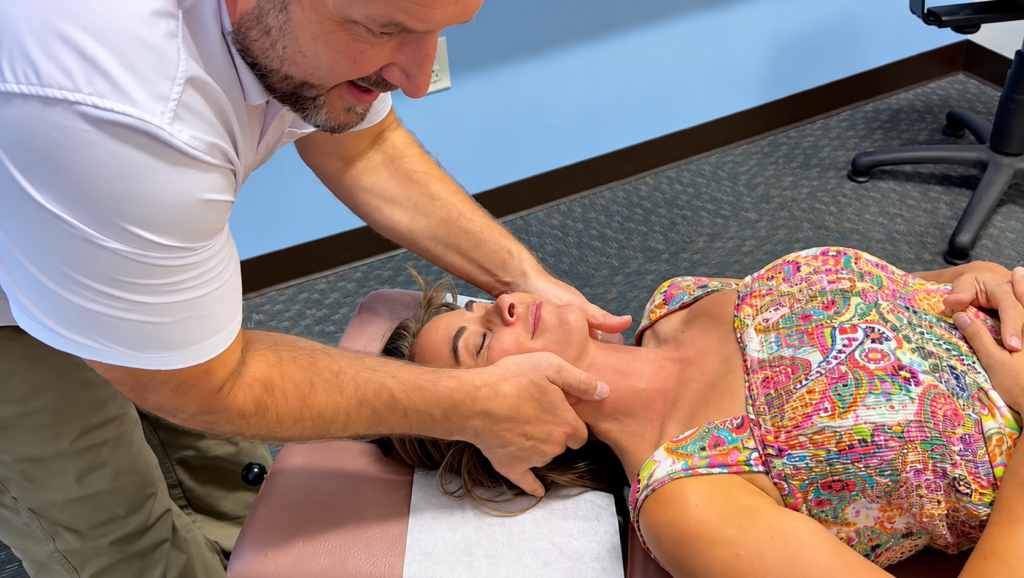
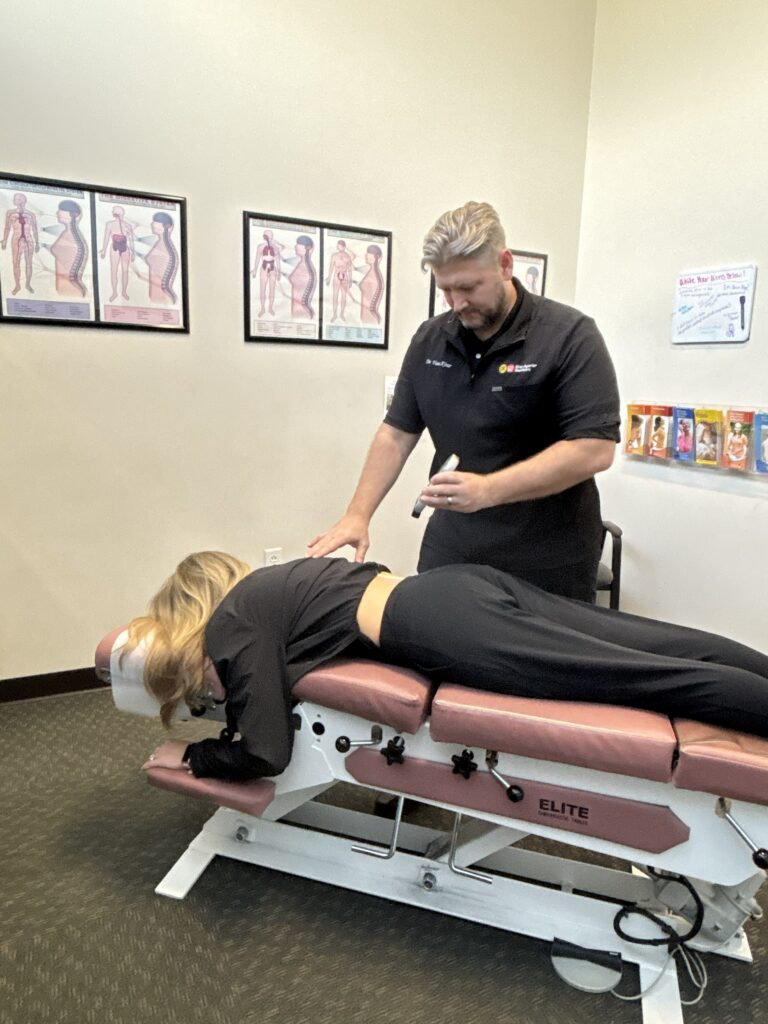
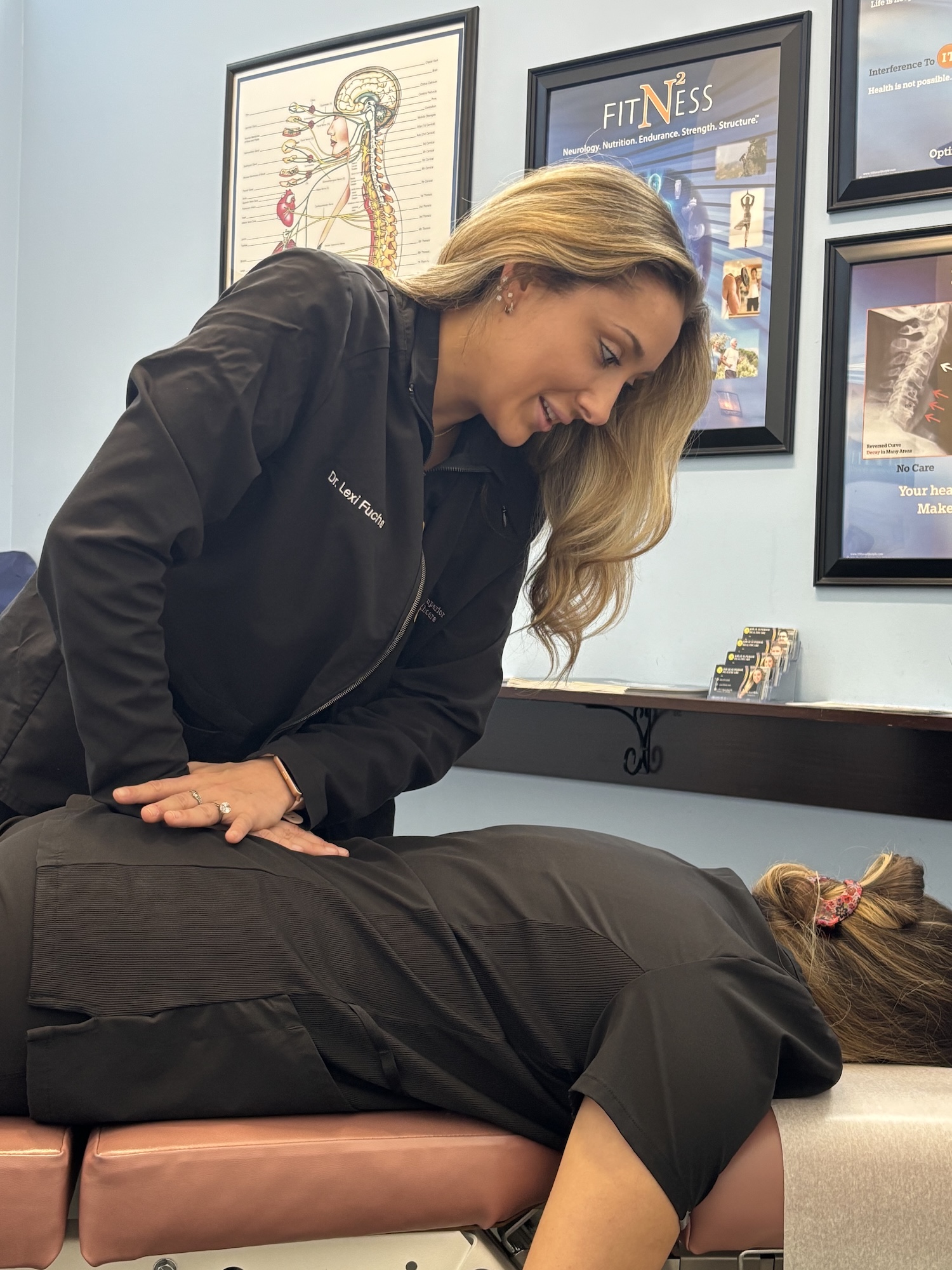
Chiropractic adjustments are at the core of what we do. These precise, controlled movements are applied to spinal joints that have become restricted or misaligned — restoring proper motion, reducing nerve irritation, and allowing the body’s natural healing response to take over. Beyond adjustments, our team may incorporate soft tissue therapies, corrective exercise guidance, postural coaching, and spinal decompression for appropriate candidates.
What makes chiropractic care especially aligned with the 100 Year Lifestyle philosophy is that it doesn’t just treat you until you feel better — it helps you understand your body, correct the underlying problems, and build a foundation for long-term function. True healthcare isn’t reactive. It’s proactive. And the patients who experience the most meaningful, lasting results are the ones who commit to caring for their spine the same way they’d care for any other important asset in their life.
Practical Tips for Protecting Your Spine Every Day
You don’t have to wait until pain arrives to start taking care of your spine. In fact, the most powerful thing you can do is build good habits before problems develop — and reinforce them throughout your lifetime. Here are some practical, evidence-aligned recommendations our team at Kirar Superior Healthcare encourages for everyone:
Mind your workstation setup. If you work at a desk, your monitor should be at eye level so your head isn’t tilting up or down. Your feet should rest flat on the floor, your hips should be at roughly 90 degrees, and your lower back should have gentle support. Small adjustments to your workstation can dramatically reduce daily strain on your neck and lumbar spine.
Be intentional about how you use your phone. Bring the phone up to eye level rather than dropping your chin to look down at it. Even reducing forward head posture by a few degrees makes a meaningful difference over time when you consider how many hours per day most of us spend on our devices.
Move regularly throughout the day. Sitting for prolonged periods increases pressure on the lumbar discs and leads to muscle tightness and joint stiffness throughout the spine. Setting a timer to stand, walk, or gently move every 45 to 60 minutes is one of the simplest and most effective things you can do for your spinal health.
Prioritize sleep position and pillow support. The way you sleep matters more than most people realize. Sleeping on your side with a pillow that keeps your head and neck aligned with your spine, or on your back with proper lumbar support, helps your body recover and decompress overnight rather than accumulating more stress.
Stay consistent with your chiropractic care. The 100 Year Lifestyle encourages us to think about health as something we maintain, not something we chase when it’s gone. Regular chiropractic visits — even when you’re feeling good — help maintain spinal alignment, catch issues before they become painful, and support nervous system function over time.
When to See a Chiropractor
If you’ve been dealing with lower back pain, neck pain, or headaches for more than a few days — or if these problems keep coming back — it’s a good time to schedule an evaluation at Kirar Superior Healthcare. You don’t need to be in severe pain to benefit from chiropractic care. In fact, catching spinal problems early typically leads to faster, more complete resolution.
More urgent situations include pain that radiates down one or both arms or legs, numbness or tingling in the hands or feet, significant loss of range of motion in the neck or back, or persistent headaches that are changing in character or frequency. These symptoms suggest nerve involvement that warrants prompt professional evaluation.
There are also red flags that go beyond chiropractic care and require immediate medical attention: sudden loss of bladder or bowel control, severe pain following trauma, headaches described as “the worst of your life,” or any neurological symptoms that appear suddenly. In these situations, please seek emergency medical care right away. Our team will always refer you to the appropriate provider if your condition requires a different level of care — your wellbeing is the priority.
Myths vs. Facts About Back Pain and Chiropractic Care
Myth: Once you start going to a chiropractor, you have to go forever.
Fact: The frequency and duration of chiropractic care is always your choice. Many patients choose to continue care for maintenance and wellness after their symptoms resolve — similar to how you’d continue exercising after reaching a fitness goal — but there is no obligation. Care plans at Kirar Superior Healthcare are always explained clearly so you can make informed decisions about your health.
Myth: Back pain always goes away on its own, so there’s no need to treat it.
Fact: While some acute episodes of back pain do improve over a few days, research suggests that recurring or untreated spinal dysfunction often worsens over time. The underlying misalignments or joint restrictions that caused the pain don’t simply disappear when the discomfort fades. Addressing them reduces the likelihood of the problem becoming chronic or more severe.
Myth: Chiropractic adjustments are dangerous.
Fact: Chiropractic care is one of the safest forms of conservative healthcare available, particularly when compared to long-term use of pain medications or surgical interventions. Serious adverse events from spinal manipulation are extremely rare. Dr. Vance Kirar and our team conduct thorough evaluations before any care is provided to ensure it’s safe and appropriate for each individual patient.
Myth: Headaches are just a normal part of life and can’t really be treated.
Fact: While headaches are incredibly common, “common” doesn’t mean “normal” or “untreatable.” Many headaches — especially those with a cervical or postural component — respond well to chiropractic care. Patients in Goose Creek and the surrounding communities are often surprised to find that consistent care significantly reduces the frequency and severity of headaches they’d been living with for years.
Myth: You need an MRI or other imaging before seeing a chiropractor.
Fact: Most new chiropractic patients do not need an MRI before their first visit. At Kirar Superior Healthcare, we will take X-rays on the first visit if needed to get a clear picture of your spinal structure. Additional imaging may be recommended later if there are specific clinical indications — but it’s rarely a prerequisite for starting care.
Common Triggers vs. Contributing Factors
|
Condition |
Common Triggers |
Underlying Contributing Factors |
|---|---|---|
|
Lower Back Pain |
Heavy lifting, prolonged sitting, sudden movement |
Spinal misalignment, disc degeneration, weak core muscles, joint restriction |
|
Neck Pain |
Screen time, poor sleep position, auto accidents |
Forward head posture, cervical joint dysfunction, muscle imbalance, ligament strain |
|
Headaches |
Stress, poor posture, dehydration, screen use |
Cervicogenic dysfunction, upper cervical misalignment, suboccipital muscle tension |
Final Thoughts from Our Team at Kirar Superior Healthcare
Living with back pain, neck pain, or recurring headaches is exhausting — physically and mentally. But these conditions are not a life sentence. With the right care and a commitment to understanding your body, it’s entirely possible to move beyond pain management and into genuine, lasting health.
At Kirar Superior Healthcare, we serve the Goose Creek community with a philosophy rooted in the belief that everyone deserves to live a long, healthy, fully functional life. The 100 Year Lifestyle isn’t just a slogan — it’s a framework for understanding that the choices you make today, including how you care for your spine and nervous system, lay the groundwork for the quality of life you’ll experience 10, 20, and 40 years from now.
Dr. Vance Kirar and our entire clinical team are here to walk that path with you. Whether you’re brand new to chiropractic care or you’ve been a patient for years, our commitment is the same: to help you understand what’s happening in your body, address the root cause of your symptoms, and support your health for the long haul.
If you’re ready to take the next step, we’d love to meet you. Our team is proud to serve Goose Creek, SC and the surrounding communities — and we believe the best version of your health is still ahead of you.
Frequently Asked Questions
How long does it take to see results from chiropractic care for lower back pain?
The timeline varies depending on the nature and duration of your condition. Some patients notice improvement within the first few visits, while others with more chronic or complex issues may take several weeks to experience significant change. Our team will give you a realistic picture of what to expect based on your specific evaluation findings.
Can chiropractic care help with headaches, or is it only for back and neck pain?
Chiropractic care can be very effective for headaches — particularly those that originate from cervical spine dysfunction or postural tension. Evidence from organizations like the National Center for Complementary and Integrative Health indicates that spinal manipulation may help reduce the frequency and intensity of certain headache types. Our team at Kirar Superior Healthcare evaluates each patient to determine if their headaches have a spinal component that could benefit from care.
Will you take X-rays on my first visit?
We will take X-rays on the first visit if needed. Having clear images of your spinal structure from the start allows Dr. Vance Kirar and our team to make precise, informed decisions about your care — rather than working from assumptions alone.
Is chiropractic care safe for someone who has had back surgery?
Many patients with prior back surgery can still benefit from chiropractic care, though the approach will be modified based on your surgical history and current spinal condition. A thorough evaluation is essential before any care is provided. Our team will always review your history carefully and refer you to the appropriate specialist if chiropractic care is not the right fit for your situation.
What’s the difference between a chiropractor and a physical therapist for back pain?
Both chiropractors and physical therapists can play valuable roles in managing back pain, but their approaches differ. Chiropractors focus on restoring proper spinal alignment and nerve function through adjustments and conservative care. Physical therapists emphasize rehabilitation exercises and movement retraining. In many cases, a collaborative approach offers the most comprehensive outcomes — and our team is happy to coordinate with other providers when it benefits you.
How is neck pain related to headaches?
The upper cervical spine and the muscles surrounding it have a direct neurological connection to the head and face. When joints in the neck become restricted or irritated, they can trigger referred pain patterns that manifest as headaches. This is known as a cervicogenic headache, and it’s one of the most commonly overlooked causes of recurring head pain — particularly in people who also experience neck stiffness or tension in the shoulders.
TL;DR
-
Lower back pain, neck pain, and headaches are among the most common conditions treated at Kirar Superior Healthcare in Goose Creek, SC — and all three are frequently rooted in spinal dysfunction.
-
Modern habits like prolonged sitting, excessive screen time, and poor posture are major contributors to these conditions and compound over time without intervention.
-
Chiropractic care — including spinal adjustments, soft tissue therapy, and spinal decompression — addresses the root cause rather than just managing symptoms.
-
Building lifelong spinal health is central to the 100 Year Lifestyle philosophy: the goal isn’t just pain relief, it’s a fully functioning spine and nervous system for decades to come.
-
If you’re dealing with any of these conditions, an evaluation with our team — including X-rays on the first visit if needed — is the right first step toward understanding what’s really going on.