
Sciatica is one of those conditions that can completely take over your life. One minute you’re going about your day, and the next you’re dealing with a sharp, burning pain that shoots from your lower back all the way down your leg. If you’ve ever experienced it, you know exactly what I mean. Here at Kirar Superior Healthcare in Goose Creek, SC, we see patients dealing with sciatica on a regular basis — and more often than not, they’ve been suffering far longer than they needed to. The good news is that chiropractic care is one of the most effective, non-invasive approaches available for sciatica relief, and it also addresses the closely related issues of lower back pain, neck pain, and headaches that often accompany it.
What Is Sciatica?
Sciatica refers to pain that travels along the path of the sciatic nerve — the longest nerve in the human body — which runs from the lower back through the hips and buttocks and down each leg. It typically affects one side of the body and ranges from a mild ache to an intense, electric-like shooting pain. Sciatica is a symptom, not a diagnosis on its own, meaning something is irritating or compressing the sciatic nerve.
- What Causes Sciatica?
- The Connection Between Sciatica, Lower Back Pain, Neck Pain, and Headaches
- How Chiropractic Care Helps With Sciatica
- What to Expect at Kirar Superior Healthcare
- Practical Tips for Managing Sciatica at Home
- When to See a Chiropractor
- Myths vs. Facts About Sciatica and Chiropractic Care
- Final Thoughts
What Causes Sciatica?
Understanding the root cause of sciatica is the first step toward getting lasting relief. The sciatic nerve can become irritated or compressed for several reasons, and identifying which one is affecting you makes all the difference in how care is approached.
The most common cause is a herniated or bulging disc in the lumbar spine. When a disc in the lower back shifts out of position or ruptures, it can press directly on the sciatic nerve root, triggering that familiar shooting pain down the leg. Another frequent culprit is lumbar spinal stenosis — a narrowing of the spinal canal that puts pressure on the nerves passing through it. This is especially common in adults over 50.
Piriformis syndrome is another cause that often gets overlooked. The piriformis is a small muscle deep in the buttocks, and when it becomes tight or spasms, it can compress the sciatic nerve running beneath or through it. Poor posture, prolonged sitting, and lack of movement can all contribute to this. Spondylolisthesis — a condition where one vertebra slips forward over another — can also narrow the nerve pathway and cause sciatic symptoms.
In Goose Creek, we see a wide range of patients dealing with sciatica, from desk workers who sit for hours each day to manual laborers whose jobs put constant stress on their lower backs. No matter the cause, the approach our team takes is always thorough, individualized, and focused on long-term results — not just temporary pain relief.
The Connection Between Sciatica, Lower Back Pain, Neck Pain, and Headaches
Many patients are surprised to learn that sciatica rarely exists in isolation. The spine functions as a single, interconnected system, and dysfunction in one area almost always creates compensatory stress in another. This is a core principle we emphasize at Kirar Superior Healthcare — because treating the symptom without addressing the whole-body picture often leads to recurring pain.
Lower back pain is the most direct companion to sciatica. In fact, the two are so closely linked that many patients aren’t sure where the lower back pain ends and the sciatica begins. The lumbar spine — the five vertebrae in your lower back — is where the sciatic nerve originates. Misalignments, disc problems, or muscle imbalances in this region almost always involve both. Addressing lower back pain through chiropractic care simultaneously reduces the mechanical pressure on the sciatic nerve.
Neck pain and headaches may seem unrelated to sciatica, but they often share a common root: spinal misalignment and poor posture. When the spine is not properly aligned, the body compensates from top to bottom. Someone with a forward head posture — which is incredibly common among smartphone and computer users — places an enormous amount of stress on the cervical spine. This leads to neck pain and tension-type headaches. Meanwhile, the same postural habits that strain the neck are often the same ones compressing the lumbar spine and irritating the sciatic nerve.
The 100 Year Lifestyle philosophy reminds us that our bodies were designed to function well for a lifetime — but that only happens when we take a proactive, whole-body approach to our health. Waiting until symptoms are unbearable before seeking care is one of the biggest obstacles to living a vibrant, active life. Understanding that lower back pain, sciatica, neck pain, and headaches are often expressions of the same underlying spinal dysfunction empowers you to take meaningful action earlier.
How Chiropractic Care Helps With Sciatica
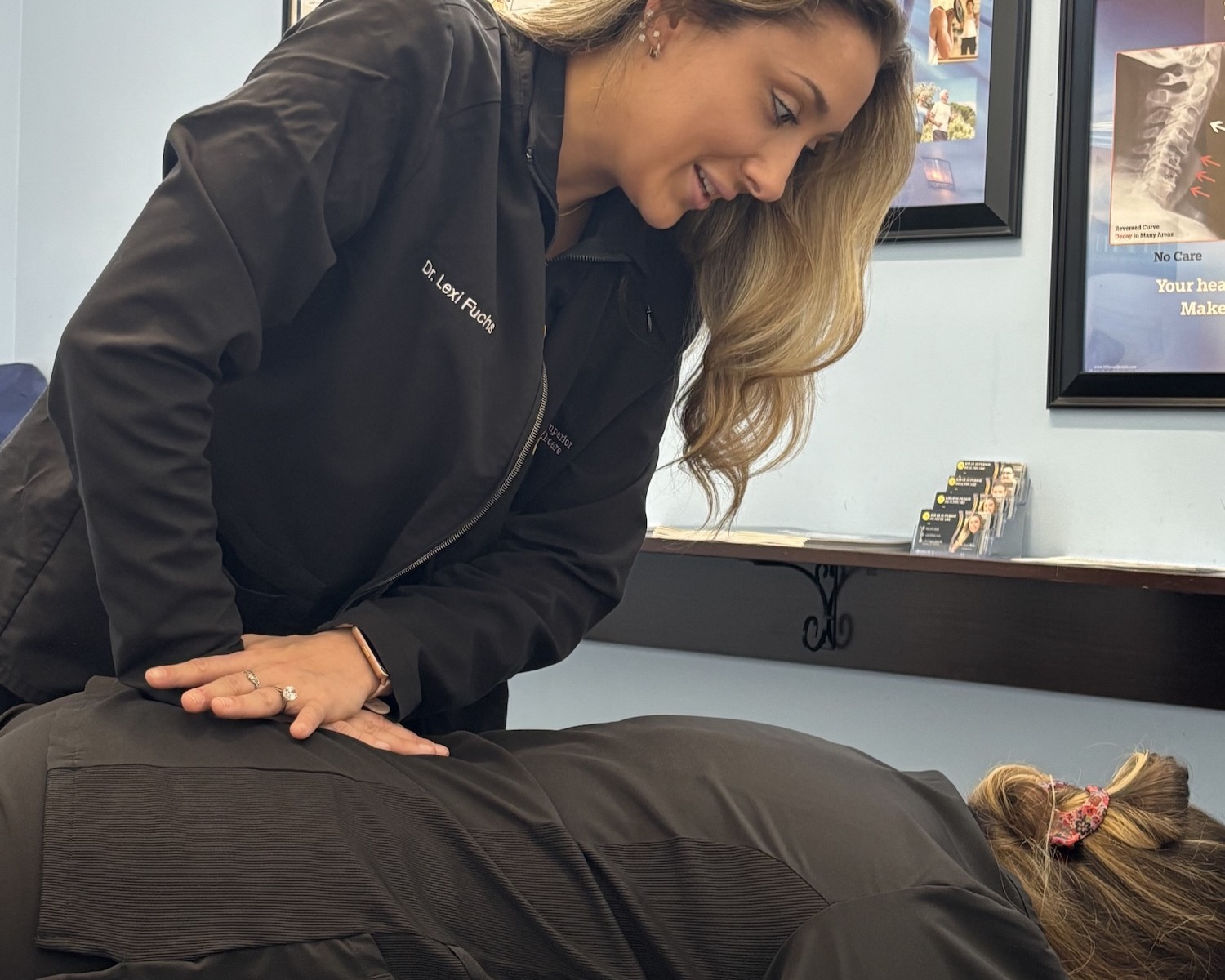
Chiropractic care for sciatica focuses on identifying and correcting the spinal dysfunction that’s irritating the sciatic nerve. Rather than masking pain with medication, our team works to restore proper alignment, reduce nerve interference, and support your body’s natural ability to heal. Evidence suggests that chiropractic adjustments can be effective for reducing both the intensity and frequency of sciatic pain, particularly when caused by lumbar disc issues or spinal misalignment.
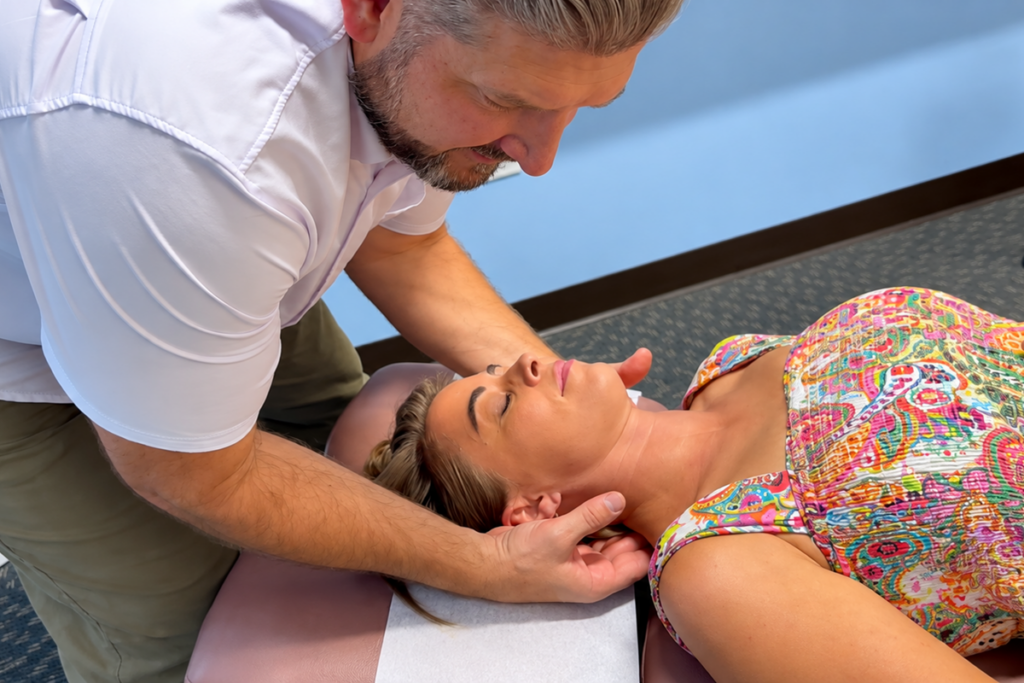
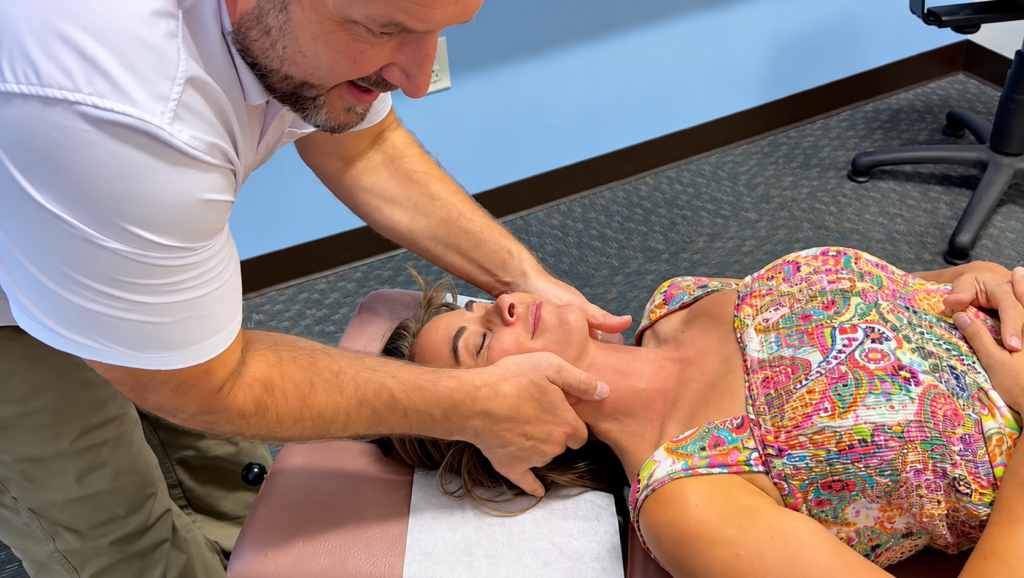
Chiropractic adjustments — also called spinal manipulations — are gentle, targeted movements applied to specific vertebrae that have shifted out of their proper position. When the lumbar spine is properly aligned, pressure on the sciatic nerve is reduced. Many patients notice meaningful improvement in their symptoms over a course of care, and research published in peer-reviewed journals supports chiropractic manipulation as a viable conservative treatment option for sciatica.
Beyond adjustments, our team at Kirar Superior Healthcare uses a variety of complementary approaches depending on what your spine needs. For patients dealing with significant disc-related sciatica, spinal decompression therapy is one of the most powerful tools we have available. Spinal decompression gently stretches the spine using a specialized table, creating negative pressure within the disc space. This helps retract herniated disc material and promotes the flow of nutrients back into the disc, supporting natural healing. If you want to understand exactly how spinal decompression works and whether it might be the right fit for your lower back pain and sciatica, watch the video below — it does a great job explaining the process in clear, straightforward terms.
Soft tissue therapy, therapeutic exercises, and posture correction also play important roles in a comprehensive sciatica care plan. The goal is never just to get you out of pain — it’s to restore function and build the kind of spinal resilience that supports you for the long haul. That long-term mindset is something Dr. Vance Kirar and our entire team deeply believe in.
What to Expect at Kirar Superior Healthcare
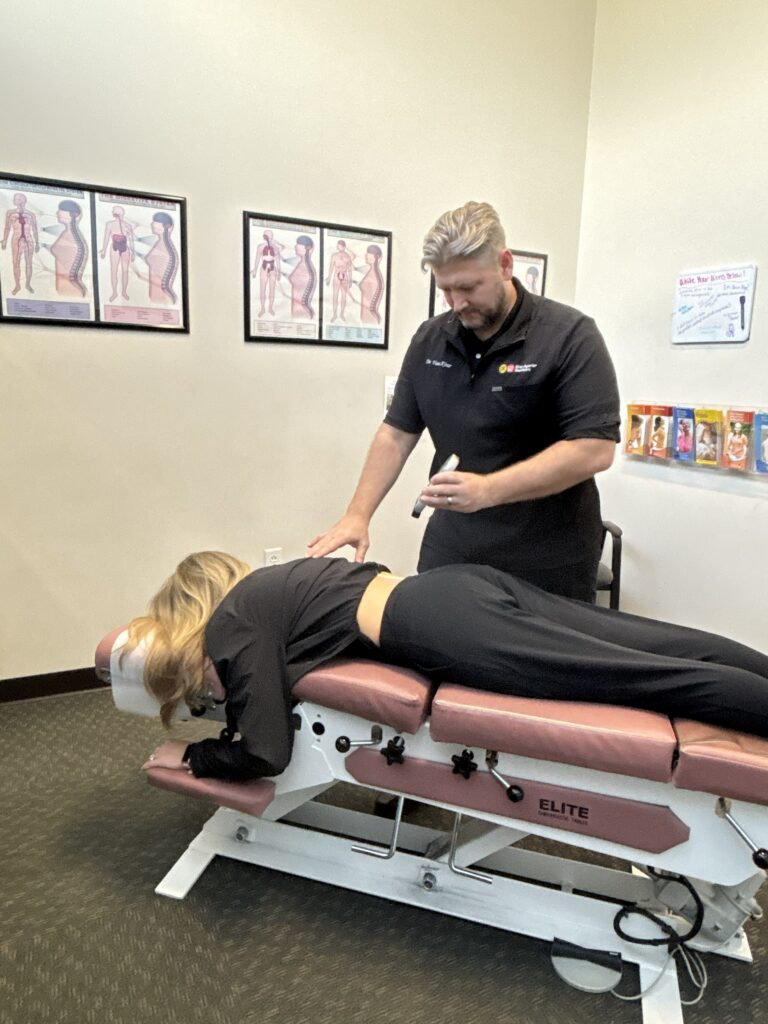
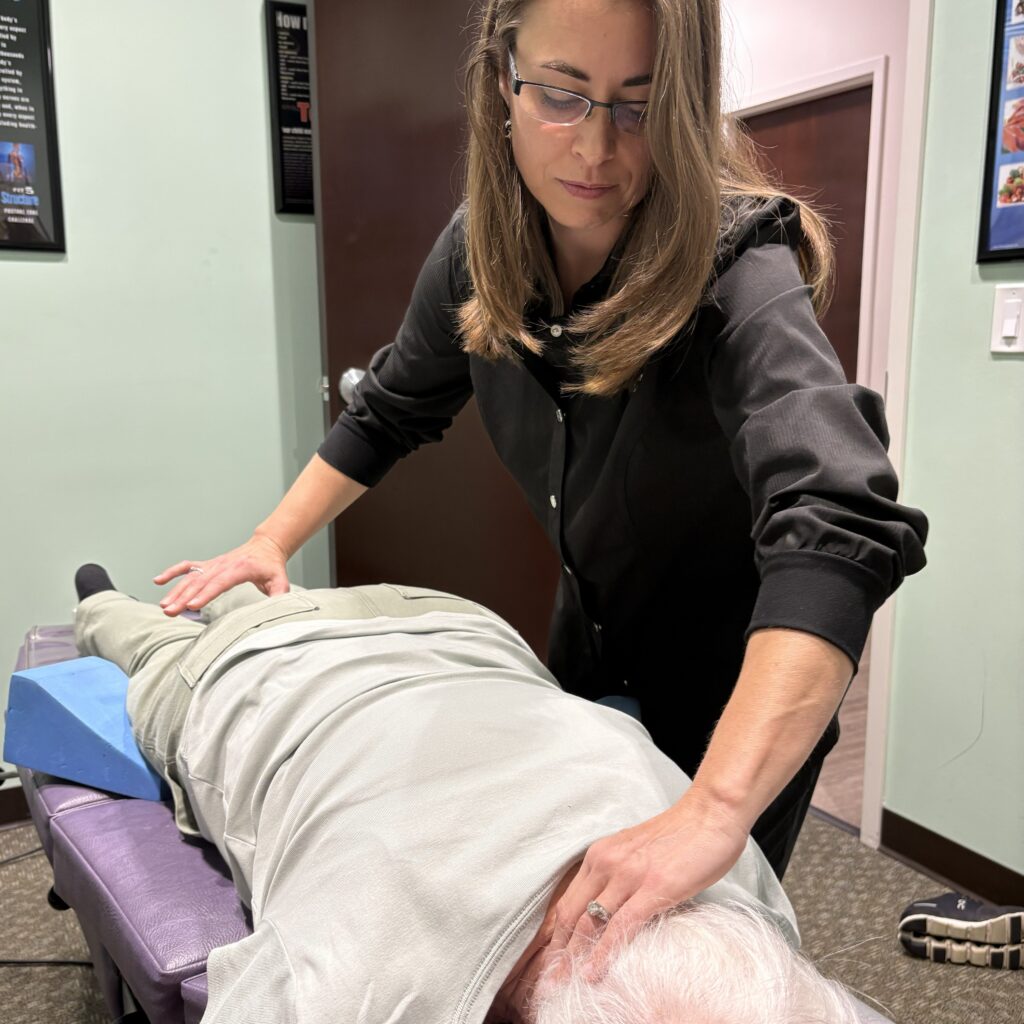
If you come into our Goose Creek office with sciatica or related lower back pain, your first visit will be comprehensive. We take the time to listen — really listen — to your history, your symptoms, how they started, and what makes them better or worse. A thorough physical and chiropractic examination helps us understand exactly what’s happening with your spine and nervous system.
We will take X-rays on the first visit if needed. This is an important part of our process and one of the things that sets Kirar Superior Healthcare apart. X-rays allow us to see the actual structure of your spine — not just guess at it. They help us identify disc height loss, joint degeneration, vertebral misalignment, and other factors that are critical for building an accurate, effective care plan.
From there, your chiropractor will walk you through their findings in detail and explain exactly what they recommend and why. We believe informed patients make better health decisions — and that’s fully aligned with the 100 Year Lifestyle approach to care. Your health is a lifelong journey, and every decision we make together should reflect that perspective. We’re not here to give you a quick fix and send you on your way. We’re here to help you build a foundation for a healthier, more functional spine that serves you for decades to come.
Practical Tips for Managing Sciatica at Home
While professional chiropractic care is the most effective path forward, there are things you can do between visits to support your recovery and reduce flare-ups. These are practical, safe strategies that complement your care at our Goose Creek office.
First, pay attention to how you sit. Prolonged sitting is one of the most common aggravators of sciatica. If your job requires you to be at a desk for long periods, make a habit of getting up and walking for a few minutes every 30 to 45 minutes. Use a chair that supports your lumbar curve, and keep your feet flat on the floor with your knees at roughly a 90-degree angle. Avoid crossing your legs, as this can create rotational stress through the pelvis and lower spine.
Sleeping position matters, too. Sleeping on your back with a pillow under your knees, or on your side with a pillow between your knees, can take significant pressure off the sciatic nerve during the night. Avoid sleeping on your stomach, which forces your neck into rotation and increases lumbar compression.
Gentle movement is generally better than complete rest. Activities like walking, gentle stretching, and swimming can help keep the spine mobile and reduce inflammation around the nerve. Your chiropractor at Kirar Superior Healthcare can guide you on which movements are appropriate for your specific situation — what helps one patient may aggravate another, so personalized guidance matters.
| Habit or Posture | How It Affects Sciatica | Better Alternative |
|---|---|---|
| Sitting for long periods without breaks | Increases disc pressure and compresses the sciatic nerve | Stand or walk for 2-3 minutes every 30-45 minutes |
| Sleeping on your stomach | Forces lumbar extension and neck rotation, increasing nerve irritation | Sleep on your side with a pillow between your knees |
| Crossing your legs while sitting | Creates pelvic imbalance and rotational stress on the lower spine | Keep feet flat on the floor, hips level |
| Forward head posture at a screen | Strains the cervical spine and creates compensatory tension in the lumbar region | Raise screen to eye level, keep ears over shoulders |
| Lifting with a bent back | Places enormous shear force on lumbar discs | Lift with your legs, keep the load close to your body |
When to See a Chiropractor
If your sciatica has lasted more than a few days, is recurring, or is getting progressively worse, it’s time to get a professional evaluation. Many people make the mistake of waiting to see if the pain goes away on its own — and while mild cases sometimes do resolve, unaddressed spinal dysfunction often continues to worsen over time. The longer nerve compression persists without correction, the more difficult recovery can become.
You should also seek care if your sciatica is interfering with your ability to work, sleep, exercise, or enjoy daily activities. Pain that limits your life is not something to wait out. Our team at Kirar Superior Healthcare is ready to help you understand what’s happening and what options are available.
There are some red flag symptoms that require immediate medical attention rather than chiropractic care. These include loss of bladder or bowel control, sudden severe weakness in both legs, or sciatica following a significant trauma like a car accident or fall. If you experience any of these, go to the emergency room right away. Chiropractic care is an excellent conservative approach for the vast majority of sciatica cases, but it’s also important to know when a different level of care is needed.
Myths vs. Facts About Sciatica and Chiropractic Care
Myth: Sciatica Always Requires Surgery
Fact: The vast majority of sciatica cases resolve with conservative care, including chiropractic treatment, physical therapy, and lifestyle modifications. Surgery is generally considered only when conservative options have been exhausted and there is significant neurological compromise. Many patients in Goose Creek have found lasting relief through chiropractic care alone.
Myth: You Should Rest Completely When Sciatica Flares Up
Fact: Complete bed rest can actually make sciatica worse by allowing muscles to weaken and joints to stiffen. Gentle movement, guided by a qualified chiropractor, is typically more beneficial than total inactivity. Your care plan at Kirar Superior Healthcare will include guidance on appropriate movement for your specific condition.
Myth: Chiropractic Adjustments Are Dangerous for Sciatica
Fact: When performed by a licensed, trained chiropractor, spinal adjustments are considered a safe and effective approach for sciatica caused by spinal dysfunction. Our team conducts a thorough evaluation — including X-rays when appropriate — before any treatment begins, ensuring that care is both safe and appropriate for your condition.
Myth: Neck Pain and Headaches Have Nothing to Do With Sciatica
Fact: Neck pain, headaches, and sciatica can all stem from the same underlying issue — spinal misalignment and nervous system interference. The spine functions as a connected system, and postural habits that contribute to cervical problems often affect the lumbar spine as well. A whole-body chiropractic evaluation often reveals patterns that connect these seemingly separate symptoms.
Myth: Once You Start Chiropractic Care, You Have to Go Forever
Fact: The frequency and duration of chiropractic care is always a personal choice. Many patients choose ongoing wellness care because they experience significant quality of life benefits — which aligns with the 100 Year Lifestyle principle that consistent, proactive health habits compound over a lifetime. But care recommendations are always individualized, never one-size-fits-all, and never pressure-driven.
Final Thoughts
Living with sciatica, chronic lower back pain, persistent neck pain, or recurring headaches is not something you have to accept as your new normal. These are signals from your body that something in your spine needs attention — and the sooner that attention happens, the better your long-term outcomes tend to be.
At Kirar Superior Healthcare, our team — led by Dr. Vance Kirar — is committed to helping the Goose Creek community live healthier, more active lives through expert chiropractic care. We believe in the 100 Year Lifestyle vision: that with the right foundation of spinal health, nervous system function, and lifestyle habits, your best years don’t have to be behind you. They can be ahead of you, regardless of your age or current condition.
If you or someone you love is struggling with sciatica or any of the related issues we’ve discussed here, we’d love to be a resource for you. Come experience what thoughtful, individualized chiropractic care can do for your quality of life right here in Goose Creek, SC.
Frequently Asked Questions
How many chiropractic visits does it typically take to see improvement in sciatica?
This varies based on the severity and underlying cause of your sciatica. Some patients notice meaningful improvement within a few visits, while others with more complex disc involvement may need a longer course of care. Your chiropractor at Kirar Superior Healthcare will give you a realistic picture after your initial evaluation.
Will you take X-rays at my first visit?
We will take X-rays on the first visit if needed. X-rays help our team see the actual structure of your spine and identify any disc, joint, or alignment issues that may be contributing to your sciatica. This allows us to create a more accurate and effective care plan from the start.
Can chiropractic care help with both sciatica and neck pain at the same time?
Yes. Because chiropractic care addresses spinal alignment and nervous system function as a whole, it can support multiple areas of the spine simultaneously. Many patients who come in for lower back pain and sciatica also see improvement in neck pain and headaches as their overall spinal health improves.
Is sciatica more common in certain professions or lifestyles?
Sciatica is more common among people who sit for extended periods, lift heavy objects regularly, or have physically demanding jobs. However, sedentary lifestyles also increase risk due to weakened core muscles and prolonged spinal compression. Our Goose Creek team sees patients from all walks of life dealing with this condition.
What is spinal decompression and is it appropriate for sciatica?
Spinal decompression is a non-surgical therapy that gently stretches the spine to relieve pressure on compressed discs and nerve roots. It is often a highly effective option for disc-related sciatica. Your chiropractor will determine whether it’s appropriate for your specific case after a thorough evaluation.
Can sciatica come back after chiropractic treatment?
It can, especially if the underlying postural habits, movement patterns, or lifestyle factors that contributed to it are not addressed. That’s why our team focuses on education and long-term spinal wellness — not just short-term symptom relief. Ongoing supportive care and good daily habits significantly reduce the likelihood of recurrence.
TL;DR — Key Takeaways
- Sciatica is caused by compression or irritation of the sciatic nerve, most commonly from lumbar disc problems, misalignment, or muscle tension — and chiropractic care addresses these root causes directly.
- Lower back pain, neck pain, and headaches are often connected to sciatica through shared spinal dysfunction and postural patterns — a whole-body approach to care produces better outcomes.
- Kirar Superior Healthcare in Goose Creek, SC offers comprehensive evaluations including first-visit X-rays when needed, individualized care plans, and spinal decompression therapy for appropriate cases.
- Simple daily habits — like taking movement breaks, improving your sleep position, and correcting your posture at a screen — can meaningfully reduce sciatic flare-ups between visits.
- Long-term spinal health, not just short-term pain relief, is the goal — consistent, proactive care aligned with a 100 Year Lifestyle philosophy gives your body the best chance to function well for decades to come.