
If you’ve ever felt a dull, nagging ache in your lower back that just won’t quit — or woken up with a stiff neck that makes turning your head feel like a chore — you may be living with the early effects of degenerative disc disease. It’s one of the most common reasons people in Goose Creek, SC visit a chiropractor, and yet it’s also one of the most misunderstood conditions we see. The good news? Understanding what’s actually happening in your spine is the first step toward managing it well, living more comfortably, and protecting your long-term health. At Kirar Superior Healthcare, we believe that your best years aren’t behind you — they’re ahead, and your spine is meant to support every one of them.
What Is Degenerative Disc Disease?
Degenerative disc disease (DDD) is not actually a disease in the traditional sense. It refers to the gradual breakdown of the intervertebral discs — the cushion-like structures between the bones of your spine — that can cause pain, stiffness, and reduced mobility over time. While some degree of disc wear is a natural part of aging, the symptoms are not something you simply have to accept as permanent.
What Is Degenerative Disc Disease?
Your spine is made up of 33 vertebrae stacked on top of one another, separated by intervertebral discs. These discs act like shock absorbers. They’re made of a tough outer layer called the annulus fibrosus and a soft, gel-like center called the nucleus pulposus. When you’re young, these discs are well-hydrated, flexible, and resilient. As the years go by — and especially when compounded by poor posture, repetitive stress, or old injuries — the discs begin to lose moisture and height. They become less capable of cushioning the spine effectively.
When this deterioration causes symptoms, it’s called degenerative disc disease. The discs themselves don’t have a strong nerve supply, but the surrounding structures — ligaments, facet joints, and nerve roots — do. As disc height decreases and the disc loses integrity, nearby nerves can become irritated or compressed, triggering pain and dysfunction that can radiate far beyond the spine itself.
This is where the 100 Year Lifestyle philosophy becomes incredibly relevant. The goal isn’t just to feel better this week — it’s to build a foundation of spinal health that supports an active, vibrant life for decades to come. Managing degenerative disc disease isn’t about masking symptoms; it’s about understanding the root cause and making consistent, purposeful choices to slow the process and protect your quality of life.
Common Causes and Risk Factors
Degenerative disc disease rarely has a single cause. It’s most often the result of accumulated stress on the spine over time, combined with lifestyle factors that accelerate the normal aging process of spinal tissues. Here in Goose Creek, we see patients across all walks of life dealing with this condition — from office workers who sit most of the day to tradespeople whose jobs involve heavy lifting and repetitive motion.
Age is the most recognized contributor. By middle age, most people show some degree of disc degeneration on imaging, even if they’re not experiencing symptoms. However, age alone doesn’t determine outcome. People who maintain strong core muscles, good posture, healthy body weight, and regular movement tend to fare significantly better than those who don’t.
Past injuries play a significant role as well. A car accident, a sports injury, or even a bad fall that happened years ago can set the stage for accelerated disc wear. This is because injuries can alter spinal mechanics, placing abnormal stress on certain discs over time. Poor posture — especially prolonged forward head posture from screen use — creates persistent uneven loading on cervical and lumbar discs. Smoking has also been shown to reduce blood flow to spinal discs, impairing their ability to repair themselves. Genetic predisposition can also make some individuals more susceptible to disc breakdown than others.
The 100 Year Lifestyle reminds us that many of these risk factors are modifiable. The choices you make every day — how you move, how you sit, how often you exercise — have a cumulative effect on your spinal health, for better or worse. The earlier you address these factors, the more protection you build into your future.
How DDD Shows Up: Lower Back Pain, Neck Pain, and Headaches
Degenerative disc disease most commonly affects two regions of the spine: the lumbar (lower back) and the cervical (neck) regions. These are the areas that bear the most mechanical load and experience the greatest range of motion throughout a lifetime, making them the most vulnerable to disc wear.
Lower Back Pain
Lower back pain is the most frequently reported symptom of lumbar degenerative disc disease. Patients often describe it as a deep, aching discomfort that worsens when sitting for long periods, bending forward, or lifting. In some cases, the pain radiates into the buttocks or down the legs — a sign that nearby nerve roots may be involved. Many patients at Kirar Superior Healthcare describe their lower back pain as something that “comes and goes” but has gradually become harder to manage over time. That pattern is very consistent with progressive disc degeneration.
Neck Pain
In the cervical spine, degenerative disc disease produces neck stiffness, reduced range of motion, and a persistent ache that often worsens with prolonged screen time or overhead work. Cervical disc degeneration can also cause pain to radiate into the shoulders, arms, or hands — a condition known as cervical radiculopathy. Many Goose Creek residents who work desk jobs or commute long distances are particularly susceptible to this pattern of disc breakdown because forward head posture places enormous stress on the cervical discs, potentially adding significant weight load with every inch the head shifts forward.
Headaches Related to Disc Degeneration
This is one that surprises a lot of patients. Cervical disc degeneration can contribute to a type of headache known as a cervicogenic headache — one that originates in the neck and refers pain upward into the head. These headaches often begin at the base of the skull, travel toward the forehead or behind the eyes, and are frequently misidentified as tension headaches or migraines. If you’re dealing with chronic headaches alongside neck stiffness or upper back tightness, the cervical spine deserves a thorough evaluation. Our team at Kirar Superior Healthcare regularly identifies this connection in patients who assumed their headaches were unrelated to their neck.
How Chiropractic Care Fits Into Your Recovery
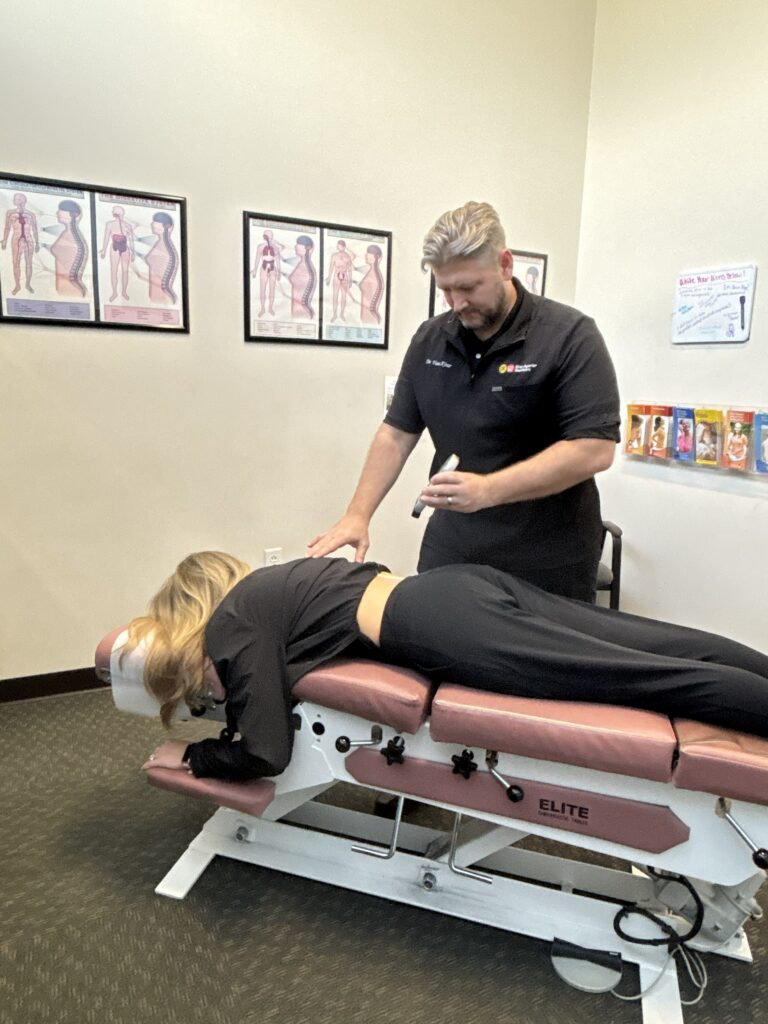
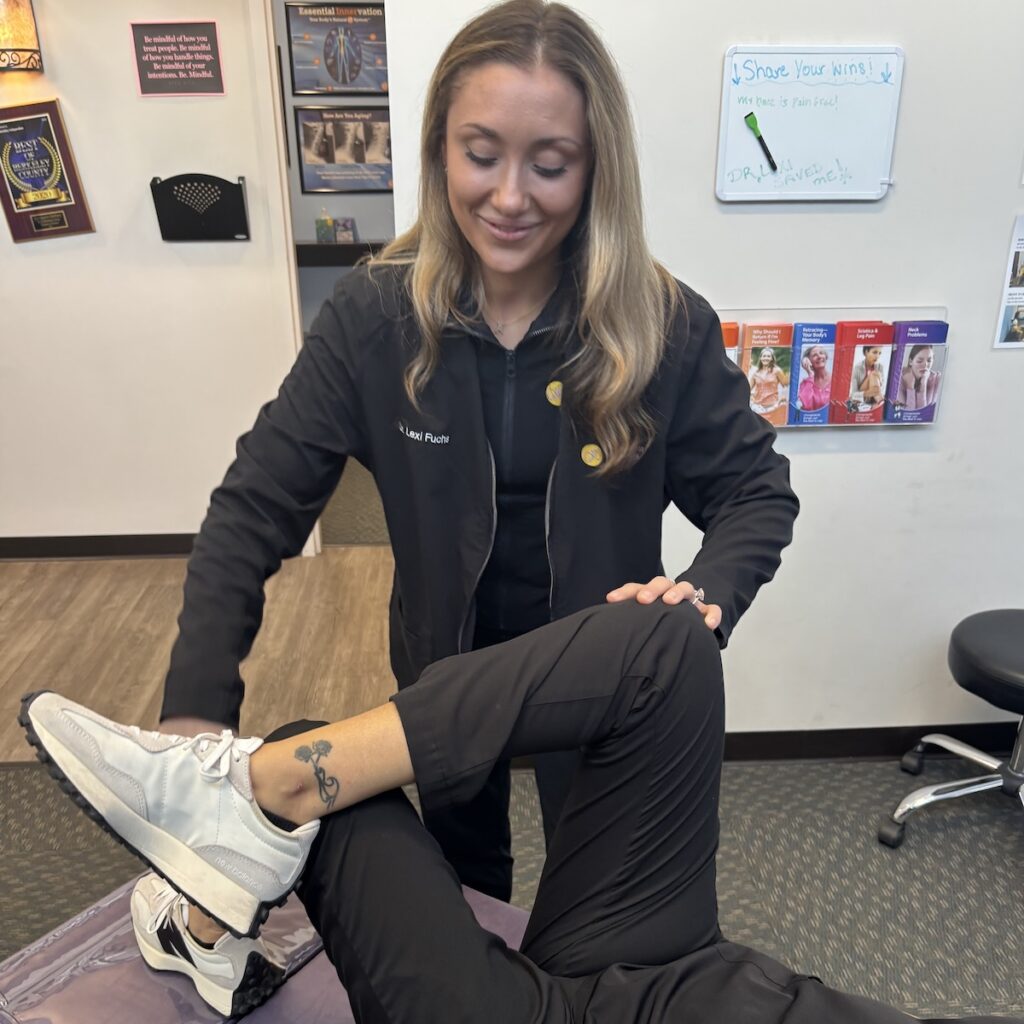
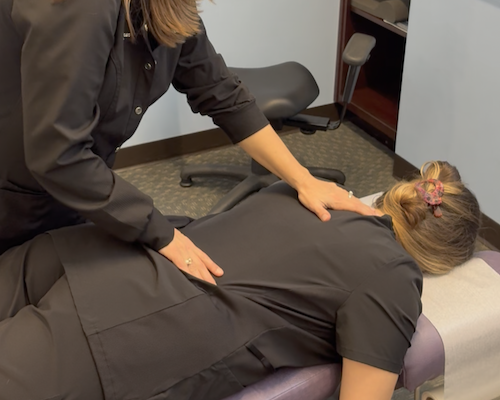
Chiropractic care is one of the most widely recommended conservative, non-surgical approaches for managing degenerative disc disease. Rather than relying on medication to cover up symptoms, chiropractic focuses on restoring proper alignment and movement to the spine — which reduces abnormal stress on the discs and helps the surrounding structures function the way they’re designed to.
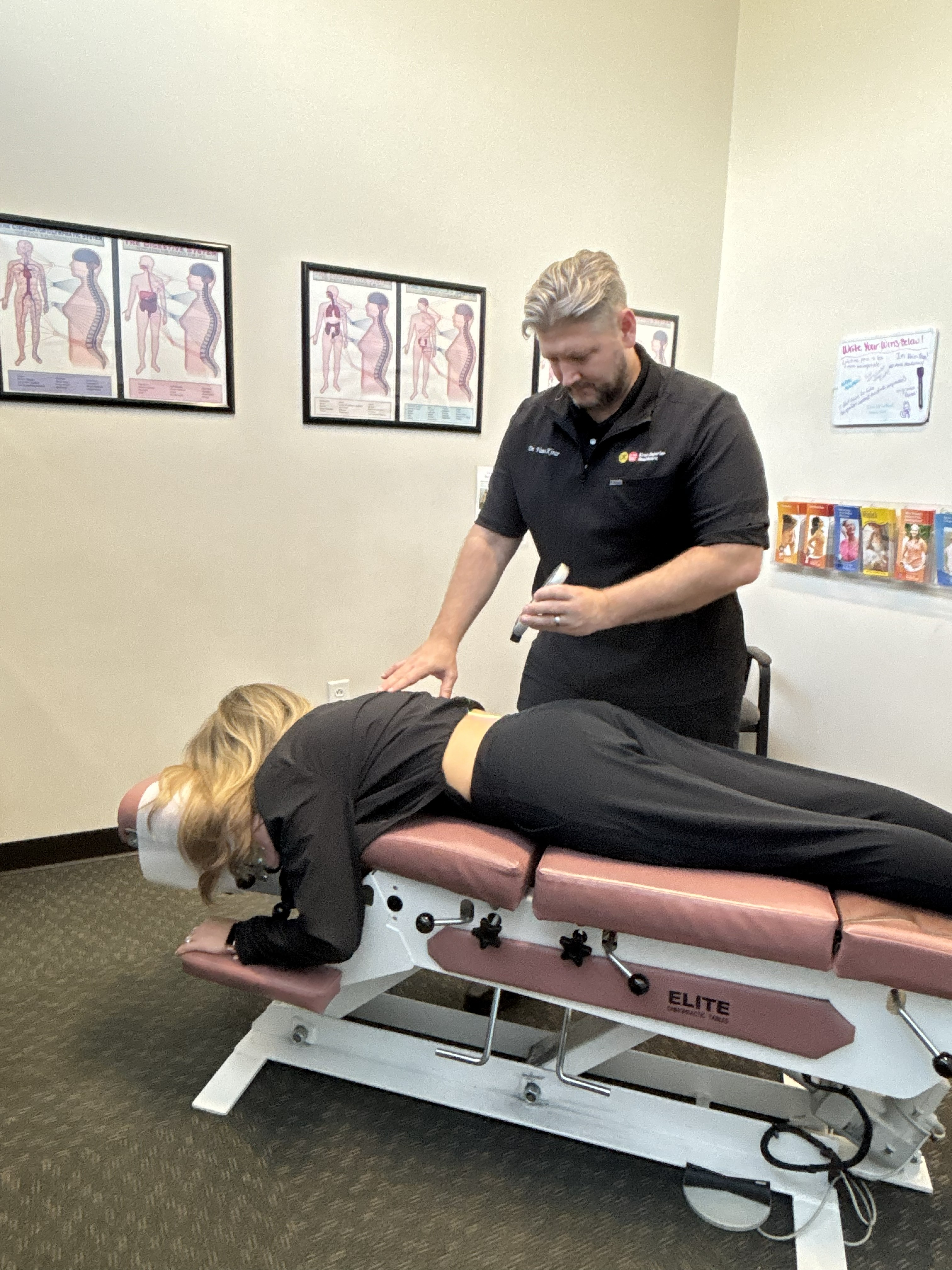
At Kirar Superior Healthcare, Dr. Vance Kirar and our care team begin with a thorough evaluation of your spine. We will take X-rays on the first visit if needed to get a clear picture of what’s happening structurally. This is important — a lot of practices skip this step, but it’s nearly impossible to develop a meaningful care plan without understanding the actual condition of the spine. X-rays allow us to assess disc height, spinal curvature, and any bony changes that may be contributing to your symptoms.
Chiropractic adjustments help restore proper joint motion in the segments of the spine that have become restricted or misaligned. When the vertebrae move the way they should, the load is distributed more evenly across the discs. This doesn’t reverse degeneration, but it can meaningfully reduce pain, improve flexibility, and slow the rate of further breakdown. Evidence from organizations like the American College of Physicians and the National Center for Complementary and Integrative Health supports spinal manipulation as an effective conservative option for chronic low back pain — a condition frequently associated with degenerative disc disease.
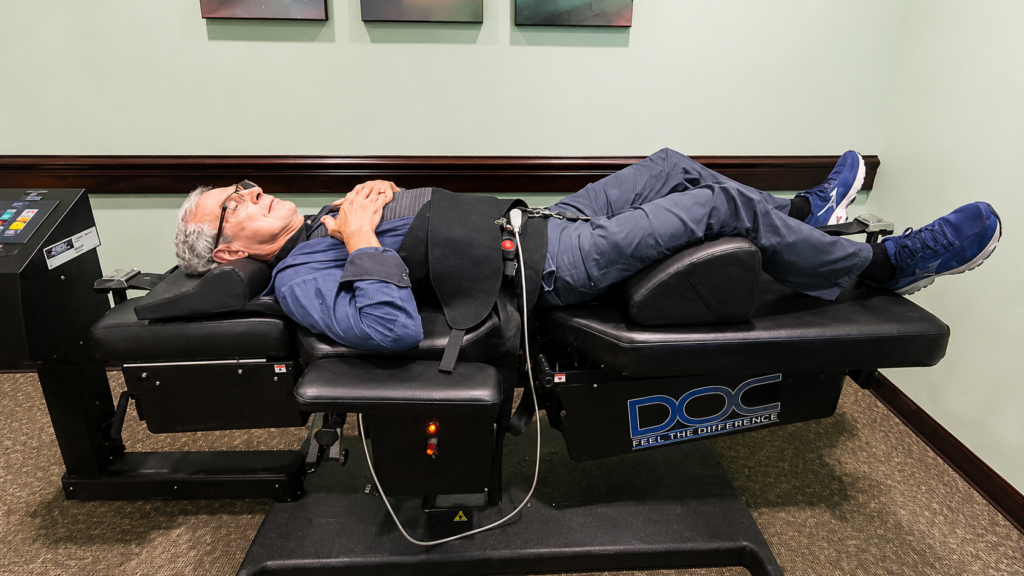
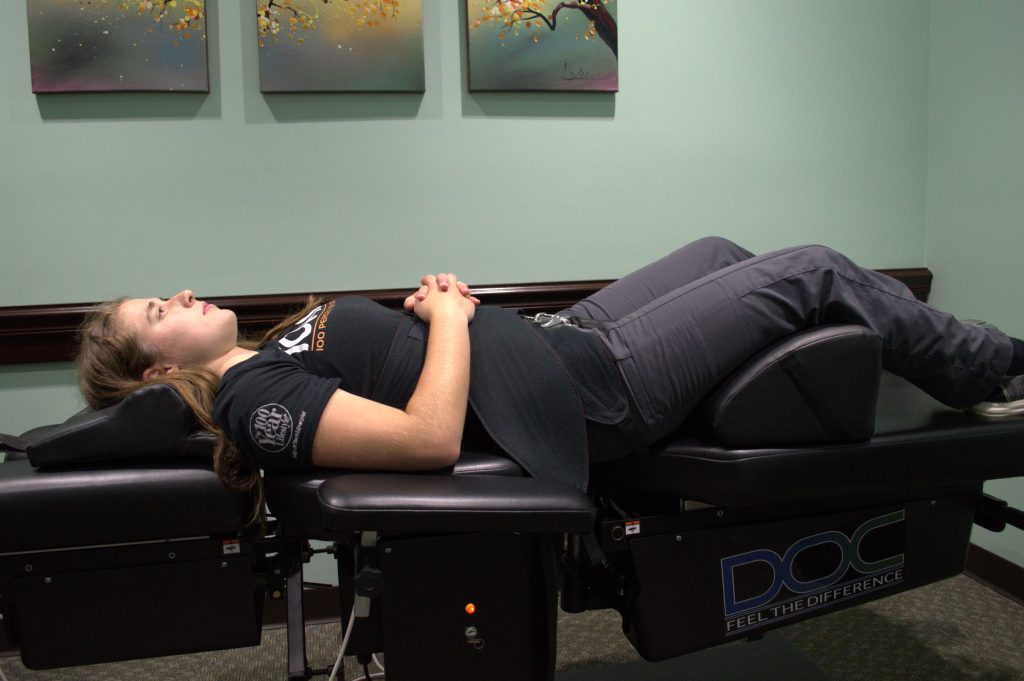
For patients with lower back pain from disc degeneration, our team also utilizes spinal decompression therapy. This non-surgical, traction-based treatment gently stretches the spine to reduce intradiscal pressure, allowing oxygen, fluids, and nutrients to re-enter the disc. It’s a particularly valuable tool for patients experiencing radiating leg pain or those who haven’t responded well to adjustments alone. If you’d like to learn more about how spinal decompression works and whether it may be right for your lower back pain, watch the short video below — it does a great job of explaining the process in simple terms.
Soft tissue therapies, therapeutic exercise guidance, and postural correction are also part of a well-rounded chiropractic approach. Long-term spinal health — the kind the 100 Year Lifestyle is built on — requires more than occasional visits. It requires consistent care, daily habits, and an understanding of how your body works. Our team in Goose Creek is committed to helping patients build exactly that kind of foundation.
Practical Tips for Managing Disc Health Daily
There’s a lot you can do between chiropractic visits to support your spine and reduce flare-ups. These aren’t complicated changes — they’re daily habits that, practiced consistently, make a genuine difference over time. This is the heart of the 100 Year Lifestyle approach: small, smart choices compounded across years and decades add up to a fundamentally different health outcome.
Posture is one of the most impactful variables you control every day. If you work at a desk, your screen should be at eye level so your head isn’t tilting forward. Your hips should be at a 90-degree angle with feet flat on the floor. Take brief standing or walking breaks every 45 to 60 minutes to relieve disc pressure and stimulate circulation in the spinal tissues.
Movement is medicine for degenerative discs. Low-impact activities like walking, swimming, and cycling keep the spine mobile and promote disc hydration. Gentle core strengthening — the muscles that support and stabilize your lumbar and cervical spine — reduces the mechanical burden placed directly on your discs. Ask your chiropractor at Kirar Superior Healthcare which exercises are appropriate for your specific condition before beginning any new program.
Stay hydrated. It sounds simple, but it matters — your discs are largely made of water, and consistent hydration supports their ability to absorb load and maintain height. Maintaining a healthy body weight also directly reduces spinal compression, particularly in the lumbar region. Every pound of excess weight multiplies the force on your lumbar discs during everyday activities.
When to See a Chiropractor
If you’ve been managing low-grade lower back pain, recurring neck stiffness, or chronic headaches on your own — and they keep coming back — it’s time to get a proper evaluation. These symptoms don’t have to be severe to warrant attention. In fact, the earlier degenerative disc disease is identified and managed, the more options you have and the better your long-term outcomes tend to be.
You should seek care promptly if your pain has persisted for more than a few weeks, is interfering with sleep or daily activities, or is beginning to radiate into your arms or legs. Our team at Kirar Superior Healthcare in Goose Creek also strongly encourages patients to be seen if they notice any weakness, numbness, or tingling in the extremities — these can be signs of nerve involvement that warrants thorough assessment.
Red flags that require immediate medical attention — rather than chiropractic care alone — include loss of bladder or bowel control, sudden severe pain following trauma, or significant neurological deficits. If you experience any of these, seek emergency care right away. Our team will always refer out when something falls outside the chiropractic scope of practice, because your health comes before everything else.
Treatment Approaches at a Glance
|
Approach |
How It Works |
Best For |
Invasiveness |
|---|---|---|---|
|
Chiropractic Adjustments |
Restores joint motion, reduces nerve irritation, improves spinal alignment |
Lower back pain, neck pain, headaches from DDD |
Non-invasive |
|
Spinal Decompression |
Reduces intradiscal pressure; promotes disc hydration and nutrient exchange |
Herniated or degenerated discs with radiating pain |
Non-invasive |
|
Pain Medication |
Reduces pain signals chemically; does not address structural cause |
Short-term symptom management |
Non-invasive, but systemic effects |
|
Steroid Injections |
Reduces local inflammation around affected discs or nerve roots |
Acute flare-ups with significant inflammation |
Minimally invasive |
|
Surgery |
Removes or replaces damaged disc tissue; stabilizes vertebral segments |
Severe cases with neurological deficits unresponsive to conservative care |
Invasive |
Myths vs. Facts About Degenerative Disc Disease
Myth: Degenerative disc disease means your spine is “crumbling” and nothing can help.
Fact: While degenerative disc disease does involve structural changes in the spine, many people with significant disc degeneration on imaging have little to no pain. Chiropractic care, proper exercise, and lifestyle modifications can meaningfully reduce symptoms and slow further degeneration. You are not helpless against this condition.
Myth: You should rest and avoid activity when your disc pain flares up.
Fact: Prolonged bed rest is generally not recommended for disc-related pain. Research consistently shows that staying gently active — within tolerable limits — promotes recovery better than immobility. Movement keeps blood flowing to spinal tissues and prevents the stiffness that makes pain worse over time.
Myth: Only older people get degenerative disc disease.
Fact: While disc degeneration does become more common with age, it can begin as early as a person’s 20s or 30s — especially in the presence of poor posture, prior injuries, or sedentary habits. We see patients across all age groups at Kirar Superior Healthcare in Goose Creek dealing with disc-related issues.
Myth: If your X-ray shows disc degeneration, you’ll eventually need surgery.
Fact: The vast majority of people with degenerative disc disease never require surgery. Conservative care — including chiropractic, physical rehabilitation, and lifestyle changes — is effective for most patients. Surgery is typically reserved for cases with severe neurological compromise that hasn’t responded to conservative treatment.
Myth: Headaches have nothing to do with your spine.
Fact: Cervicogenic headaches — those originating from the cervical spine — are well-documented in the medical literature and are frequently linked to disc degeneration in the neck. If you’re experiencing chronic headaches alongside neck stiffness or tension in the upper back, a chiropractic evaluation is well worth considering.
Final Thoughts From Our Team in Goose Creek
Degenerative disc disease is not a life sentence. It’s a condition that, when understood and properly managed, allows the vast majority of people to maintain active, fulfilling lives well into their later years. At Kirar Superior Healthcare, we’ve had the privilege of helping many Goose Creek residents move from a place of fear and pain to one of confidence and function — and we’d love to do the same for you.
Dr. Vance Kirar and the entire care team at Kirar Superior Healthcare are here to evaluate where your spine is today and help you build a plan for where you want it to be. Whether you’re dealing with lower back pain that’s been nagging you for months, neck pain from years of desk work, or headaches that nobody has been able to explain, we want to get to the root of it — not just manage the surface.
The 100 Year Lifestyle philosophy guides everything we do here. We believe that the human body is designed to thrive — not just survive — and that the choices you make about your spinal health today will shape the quality of your life for decades to come. You don’t have to wait until things get unbearable. Reaching out early, getting a clear picture of your spine, and committing to consistent care is how you build a body that carries you through a full, active century.
If you’re in the Goose Creek area and you’re ready to take that first step, we’re here. Let our team at Kirar Superior Healthcare show you what proactive, personalized chiropractic care can do for your spine — and for your future.
Frequently Asked Questions
Can degenerative disc disease cause headaches?
Yes, it can. When degenerative disc disease affects the cervical spine, it can irritate nerves and surrounding structures that refer pain upward into the head, causing what are known as cervicogenic headaches. These are often mistaken for tension headaches but originate in the neck. A chiropractic evaluation can help identify whether your headaches have a cervical spine component.
Is chiropractic care safe for degenerative disc disease?
For most patients, chiropractic care is a safe and effective conservative option for managing degenerative disc disease. Dr. Vance Kirar and our team tailor each care plan to the individual, taking imaging and clinical findings into account before any treatment begins. As with all healthcare, your chiropractor will discuss whether chiropractic is appropriate for your specific presentation.
Will you take X-rays at my first visit?
We will take X-rays on the first visit if needed. This allows our team to assess the actual condition of your spine — including disc height, vertebral alignment, and any bony changes — so that your care plan is based on a clear, accurate picture rather than guesswork.
How long does it take to see improvement with chiropractic care for disc degeneration?
This varies from person to person depending on the severity of degeneration, how long symptoms have been present, and how consistently a patient follows their care plan. Some patients notice improvement within a few visits, while others with more advanced degeneration benefit from a longer course of care. Our team will give you realistic expectations at your initial evaluation.
Can I prevent degenerative disc disease from getting worse?
While you cannot completely stop the aging process of spinal discs, you can significantly slow the rate of degeneration through regular movement, good posture, core strengthening, healthy body weight, and consistent chiropractic care. The earlier you address contributing factors, the more you can protect your long-term spinal health.
What’s the difference between a herniated disc and degenerative disc disease?
Degenerative disc disease refers to the gradual breakdown and drying out of the disc over time, whereas a herniated disc occurs when the inner gel material pushes through a crack in the outer disc wall. The two conditions often coexist — degeneration weakens the disc, making herniation more likely. Both can cause lower back pain, neck pain, and nerve-related symptoms, and both respond well to chiropractic care in many cases.
TL;DR
-
Degenerative disc disease is a gradual breakdown of spinal discs that commonly causes lower back pain, neck pain, and headaches — not a disease, but a condition that can be meaningfully managed.
-
Common contributors include age, poor posture, past injuries, sedentary habits, and lifestyle factors — many of which are modifiable with consistent effort.
-
Chiropractic care, including spinal adjustments and spinal decompression, offers a non-invasive, drug-free approach to managing disc-related pain and improving spinal function.
-
Daily habits like proper posture, regular low-impact movement, hydration, and core strengthening play a major role in slowing disc degeneration over time.
-
At Kirar Superior Healthcare in Goose Creek, SC, Dr. Vance Kirar and our care team take X-rays on the first visit if needed and create individualized care plans built around long-term spinal health — not just short-term relief.