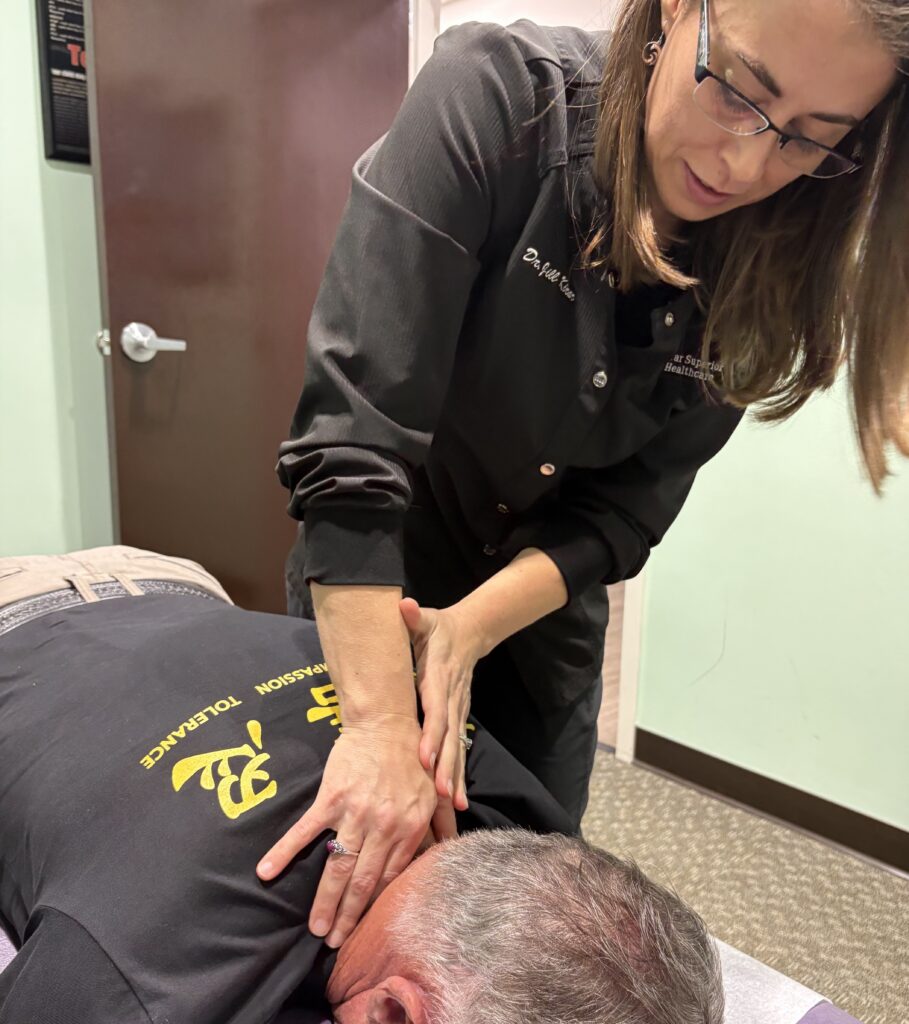

Improving your joint flexibility can significantly enhance your overall mobility and well-being. As a chiropractor, I’ve seen firsthand how better flexibility not only helps with pain relief but also promotes natural healing and healthier living. It’s important to understand that achieving improved flexibility isn’t just about stretching; it’s about incorporating a combination of strategies that work together harmoniously.
So, what are the essential elements that contribute to better flexibility, and how can you easily weave them into your daily routine? Here are some tips to get you started on your journey to optimal health:
- Regular Chiropractic Care: Visiting your chiropractor regularly can help align your spine and joints, which is essential for maintaining proper movement and flexibility. Chiropractic adjustments can alleviate tension in your muscles and improve your range of motion.
- Gentle Stretching: Incorporate gentle stretches into your routine. Focus on dynamic stretches that warm up your muscles before activities and static stretches to cool down afterward. Remember to hold each stretch for 15-30 seconds, breathing deeply to enhance relaxation.
- Strengthening Exercises: Strengthening the muscles around your joints can provide better support and stability. Include exercises that target major muscle groups, such as squats, lunges, and resistance band workouts, to help maintain balance and flexibility.
- Stay Hydrated: Proper hydration is vital for joint health. Drinking enough water helps maintain the synovial fluid that lubricates your joints, allowing for smoother and more flexible movement.
- Mindful Movement Practices: Consider incorporating practices such as yoga or tai chi into your routine. These activities emphasize controlled movements and breathing, which can greatly improve flexibility while promoting relaxation and reducing stress.
- Warm Up and Cool Down: Always include a warm-up before any physical activity and a cool-down afterward. This prepares your muscles and joints for movement and helps prevent injury.
By integrating these strategies into your lifestyle, you can enhance your joint flexibility and overall health. Remember, chiropractic care is a natural and effective way to support your journey toward flexibility and wellness. If you have any concerns or questions, don’t hesitate to reach out to your local chiropractor for personalized advice and support. Your path to better joint health starts here!
Key Takeaways
- Regular stretching at least three times a week can significantly improve your joint flexibility and reduce stiffness. As a chiropractor, I often see how incorporating stretching into your routine can enhance your overall well-being and support your spine’s health.
- Start your journey to better joint function with dynamic warm-ups. Simple movements like arm circles and leg swings can prepare your joints for activity, making them more resilient and less prone to injury.
- Pairing strength training with targeted stretches is a fantastic way to boost your joint mobility. Not only does this combination support your spine, but it also enhances your overall strength and stability, which is crucial for maintaining a healthy body.
- Engaging in practices like yoga and Pilates can work wonders for your flexibility and strength. These disciplines help align your body correctly, promoting proper joint function and reducing discomfort. They are excellent complementary practices to chiropractic care.
- Don’t forget the importance of spinal health! Consulting with a chiropractor can provide you with personalized insights and strategies to improve your flexibility and overall wellness. We focus on natural healing methods that empower you to achieve optimal health without the need for surgeries or medications.
By integrating these practices into your life, you can enjoy better joint flexibility and a more comfortable, active lifestyle. Remember, chiropractic care is here to support you every step of the way!
Understanding Joint Flexibility
When considering joint flexibility, it’s vital to recognize its significant role in your overall mobility and well-being. Joint flexibility refers to the range of motion in your joints, which is crucial for carrying out everyday activities effortlessly. If your joints feel stiff, you may find it difficult to perform movements that involve bending, twisting, or stretching. This limitation can turn even simple tasks, like reaching for an item on a high shelf or squatting down, into a challenge.
Flexibility encompasses more than just stretching; it involves the connective tissues, muscles, and tendons surrounding your joints. Regular movement and effective stretching techniques are key to maintaining this flexibility. Unfortunately, as we age, our joints can naturally lose some of their flexibility, which may lead to discomfort or an increased risk of injury.
Chiropractic care can play a vital role in enhancing your joint flexibility. By focusing on spinal health and alignment, chiropractic adjustments can help free up any restrictions in your joints and improve your body’s overall function. This not only promotes better flexibility but also supports your body’s natural healing processes.
To maintain your joint flexibility, consider incorporating gentle exercises, like yoga or tai chi, into your routine. These practices can improve your range of motion and strengthen the muscles around your joints. Additionally, don’t underestimate the power of regular chiropractic visits. A chiropractor can provide personalized guidance and adjustments to keep your joints functioning optimally, allowing you to stay active and enjoy your daily life with greater ease.
Benefits of Improved Flexibility
Improved flexibility offers a multitude of benefits that can significantly enhance your daily life and overall health, particularly when supported by chiropractic care.
When your joints and muscles are more flexible, you’ll enjoy a greater range of motion, making everyday tasks like bending, reaching, or even sitting for longer periods much easier and more enjoyable.
Chiropractic care plays a vital role in improving flexibility by ensuring your spine is aligned and your nervous system is functioning optimally. This can help reduce the risk of injuries during physical activities, allowing you to stay active and confidently engage in your favorite sports or exercises. You may also experience decreased muscle tension and soreness, leading to a more relaxed and comfortable state throughout your day.
Additionally, better flexibility, supported by chiropractic adjustments, can enhance your posture. This is crucial for alleviating back pain and promoting your overall well-being.
By prioritizing spinal health and flexibility, you’re not just improving your physical capabilities; you’re also fostering a healthier lifestyle that encourages longevity and vitality.
To help you get started on your journey to better flexibility and overall health, here are some simple tips:
- Incorporate Stretching: Regularly stretch your muscles, focusing on areas that feel tight. Simple stretches can be done at home or even at your desk.
- Stay Active: Engage in activities that promote flexibility, such as yoga or Pilates. These practices not only enhance flexibility but also improve your core strength and posture.
- Listen to Your Body: Pay attention to how your body feels during physical activities. If you feel any pain or discomfort, seek guidance from a chiropractor to address potential issues before they escalate.
- Stay Hydrated: Keeping your body hydrated is essential for maintaining muscle elasticity and joint lubrication.
- Schedule Regular Chiropractic Visits: Regular adjustments can significantly improve your flexibility, reduce tension, and support your overall health.
By investing time in enhancing your flexibility through chiropractic care, you’re taking a proactive step towards a healthier, more active life.
Stretching Techniques for Joint Mobility
To enhance joint mobility and support your overall health, incorporating effective stretching techniques into your daily routine can be incredibly beneficial. Start your journey with dynamic stretches, such as arm circles and leg swings. These movements help to warm up your joints by increasing blood flow, preparing your body for deeper, more effective stretches.
Once you’re warmed up, shift your focus to static stretches, holding each position for at least 15-30 seconds. Consider incorporating the seated hamstring stretch and butterfly stretch to improve flexibility in your hips and legs. It’s equally important to stretch your shoulders and wrists; simple overhead reaches and wrist circles can be highly effective in relieving tension and enhancing mobility.
Remember to breathe deeply during each stretch. Deep breathing not only helps you relax but also allows your muscles to stretch more comfortably, giving you a better range of motion. Stretching consistently—aiming for at least three times a week—can lead to noticeable improvements in your joint mobility, making everyday activities easier and more enjoyable.
As a chiropractor, I encourage you to consider chiropractic care as a natural and effective way to support your joint health and overall wellness. Regular adjustments can help align your spine, reduce pain, and promote better movement. By combining chiropractic care with these stretching techniques, you can achieve optimal health and enjoy a more active lifestyle.
Strengthening Exercises to Support Flexibility
To enhance your joint flexibility, it’s crucial to incorporate strengthening exercises into your routine. As a chiropractor, I often see how resistance training not only builds muscle but also improves overall stability, which is key for better mobility. When your muscles are strong, they support your joints, making movements smoother and more comfortable.
A balanced approach that combines bodyweight exercises with stretching techniques can be incredibly effective for improving flexibility and strength. Simple exercises like squats, lunges, and planks can help build the necessary muscle support while also allowing for stretching movements that keep your joints limber.
It’s also important to listen to your body. If you feel any discomfort, it’s wise to consult with a chiropractor, who can provide personalized advice tailored to your needs. Remember, chiropractic care is an excellent option for achieving optimal health and wellness, focusing on natural healing without the need for medications or surgeries.
Here are a few tips to get you started on your journey to better flexibility and strength:
- Start Slowly: If you’re new to exercise, begin with gentle movements and gradually increase intensity as your body adapts.
- Stay Consistent: Regular practice is key. Aim for a mix of strength training and stretching several times a week.
- Focus on Form: Proper technique is crucial. Poor form can lead to injuries, so take your time to learn the right way to perform exercises.
- Incorporate Breathing: Deep, steady breathing during exercises can enhance your performance and relaxation.
- Stay Hydrated: Drinking plenty of water supports muscle function and joint health.
Resistance Training Benefits
Resistance training isn’t just about building muscle; it also plays a crucial role in enhancing joint flexibility, which is essential for maintaining a healthy spine and overall well-being. By incorporating resistance exercises into your routine, you’re not only strengthening the muscles that support your joints but also improving their stability and range of motion. This is particularly important for spinal health, as stronger muscles can help reduce the risk of injury and promote smoother, more efficient movement.
When you lift weights or use resistance bands, you may notice that your body becomes more skilled at stretching and contracting, leading to greater flexibility over time. This is beneficial not just for your joints, but also for your spine, as improved flexibility can alleviate tension and discomfort. Remember, a healthier spine contributes to better overall health.
As a chiropractor, I encourage you to focus on natural ways to enhance your wellness. Here are some tips to keep in mind:
- Start Slow: If you’re new to resistance training, begin with lighter weights or resistance bands and gradually increase the intensity as you become more comfortable.
- Incorporate Stretching: Pair your resistance exercises with stretching routines to improve flexibility and support joint health.
- Focus on Form: Proper technique is crucial for preventing injuries. Consider consulting with a chiropractor or a fitness professional to ensure you’re using the correct form.
- Listen to Your Body: If you feel pain (beyond normal muscle fatigue), stop the exercise and consult a healthcare provider, preferably a chiropractor, who can guide you safely.
- Stay Consistent: Regular resistance training will yield the best results, so aim to incorporate it into your weekly routine.
Don’t overlook the importance of resistance training; it’s a vital part of your journey toward better joint flexibility and overall health. Embrace a holistic approach to wellness through chiropractic care and resistance training for optimal results.
Bodyweight Exercises Explained
Bodyweight exercises provide an excellent opportunity to strengthen your muscles while simultaneously improving flexibility, which is essential for maintaining a healthy spine. These exercises utilize your body weight as resistance, making them accessible to everyone, regardless of fitness level. Movements like squats, lunges, and push-ups not only help build strength but also promote joint mobility, which is crucial for overall spinal health.
When performed with proper form, bodyweight exercises engage various muscle groups, enhancing coordination and balance. This can be particularly beneficial for individuals experiencing discomfort or pain, as improved balance and coordination can help prevent injuries and support spinal alignment. By incorporating variations, such as single-leg squats or elevated push-ups, you can challenge your body further and enhance your overall range of motion.
It’s important to listen to your body and progress at your own pace. If you experience pain during any exercise, it’s wise to consult your chiropractor for guidance. Regularly practicing bodyweight exercises can lead to noticeable improvements in both strength and flexibility, which are key components of better joint and spinal health.
Incorporating chiropractic care into your wellness routine can further optimize your results. Chiropractors focus on aligning the spine and improving overall body function, which can enhance the benefits you gain from your exercises. Remember, the journey to better health is ongoing, and combining bodyweight exercises with chiropractic care can pave the way for a healthier, more active lifestyle.
Stretching Techniques Integration
Incorporating stretching techniques into your daily routine can significantly enhance not only your flexibility but also the overall effectiveness of your strengthening exercises. As a chiropractor, I want to emphasize that combining strength training with targeted stretches is a natural way to promote joint mobility and support your spine’s health.
Start your workout with dynamic stretches to warm up your muscles. This prepares your body for exertion by increasing blood flow and reducing the risk of injury. Consider movements like arm circles or leg swings that gently engage your muscles and joints.
After your strength training, it’s important to cool down with static stretches. These stretches help lengthen the muscles you’ve just worked and can prevent stiffness. Focus on major muscle groups like your back, thighs, and shoulders, holding each stretch for at least 15-30 seconds. This practice not only enhances flexibility but also aids in recovery and contributes to a more balanced body.
Remember, consistency is crucial for seeing results. Regularly incorporating these stretching techniques into your routine can lead to improved flexibility, reduced stiffness, and a greater range of motion in your everyday activities.
As you focus on your wellness journey, consider chiropractic care as an essential component of your routine. Regular adjustments can help maintain spinal alignment, reduce pain, and support your overall health. By prioritizing natural healing methods like stretching and chiropractic care, you can achieve optimal health and well-being. Your body will thank you!
The Role of Hydration in Joint Health
Hydration is vital for keeping your joints healthy, and it’s often something that gets overlooked in our daily routines. Your joints depend on synovial fluid, which is like natural lubricant, helping to reduce friction and allowing for smooth, pain-free movement. When you’re not drinking enough water, this fluid can become less effective, leading to stiffness and discomfort in your joints.
Staying well-hydrated is essential for maintaining the health of your cartilage—the cushion between your bones. Dehydration can cause this cartilage to wear down more quickly, which increases the risk of joint pain and injuries. Even mild dehydration can affect how your joints feel, especially during physical activities.
As a chiropractor, I encourage you to make hydration a priority for your joint health. Aim for at least eight glasses of water a day, and consider increasing that if you’re active or live in a warmer climate. Staying hydrated not only supports your joints but also enhances your overall flexibility and physical performance.
In addition to drinking plenty of water, consider incorporating regular chiropractic care into your wellness routine. Chiropractic adjustments can help improve your spine’s alignment, which may enhance your body’s natural ability to stay hydrated and maintain joint health. Remember, taking care of your joints is crucial for your overall well-being, so drink up and consider how chiropractic care can help you achieve optimal health naturally!
Incorporating Yoga and Pilates Into Your Routine
Incorporating yoga and Pilates into your routine can significantly enhance your joint flexibility and overall health. As a chiropractor, I often see how these practices can complement spinal health and wellness.
Yoga offers a variety of poses that not only stretch but also strengthen your muscles, which can help maintain proper alignment in your spine. By improving flexibility and balance, yoga can reduce the risk of injury and pain.
On the other hand, Pilates focuses on core stability and alignment, which are essential for supporting your spine and promoting healthy posture.
Together, yoga and Pilates create a balanced approach that encourages mobility and well-being. They can be particularly beneficial for those dealing with discomfort or stiffness. Remember to listen to your body and start with gentle movements, gradually increasing intensity as you become more comfortable.
In addition to these practices, regular chiropractic care can further enhance your journey towards optimal health. Chiropractors focus on restoring alignment and function to the spine, which can help alleviate pain and improve overall well-being. By combining chiropractic adjustments with yoga and Pilates, you can create a comprehensive routine that promotes natural healing and a healthier lifestyle.
For those looking to integrate these practices, here are a few tips:
- Start slow: If you’re new to yoga or Pilates, begin with beginner classes or online videos to learn the basics.
- Focus on your breath: Both yoga and Pilates emphasize breathing techniques that can help you relax and stay focused.
- Stay consistent: Aim for regular practice, even if it’s just a few minutes a day, to see the best results.
- Listen to your body: Pay attention to how your body feels during and after each session, and adjust your routine as needed.
Benefits of Yoga
While many people view yoga and Pilates as just another fitness trend, these practices can offer remarkable benefits for your overall health and well-being, particularly when combined with chiropractic care.
Regular yoga practice can significantly improve your flexibility, which is essential for maintaining a healthy spine and alleviating tension in your joints and muscles. By enhancing your balance and coordination, yoga supports everyday movements and helps reduce the risk of injuries.
The mindfulness aspect of yoga is particularly beneficial for promoting relaxation and reducing stress, which plays a vital role in spinal health. Stress can lead to muscle tension and misalignments in the spine, making it critical to incorporate activities that foster a sense of calm. Additionally, yoga can boost your strength, especially in your core and lower body, which is crucial for maintaining stability and proper posture.
Incorporating yoga into your routine can also encourage healthy breathing patterns, which may improve your energy levels and focus throughout the day. Deep, intentional breathing helps enhance oxygen flow to your body, supporting overall vitality and wellness.
As a chiropractor, I encourage you to embrace these benefits of yoga while prioritizing regular chiropractic care. Together, they can create a powerful synergy for pain relief and natural healing. Remember to listen to your body and practice yoga at a pace that feels comfortable for you.
Advantages of Pilates
Pilates often complements yoga beautifully, creating a well-rounded approach to fitness and flexibility. By incorporating Pilates into your routine, you’ll experience enhanced core strength, improved posture, and increased body awareness. These benefits can lead to better balance and stability, which are essential for mastering yoga poses and supporting overall spinal health.
Pilates emphasizes controlled movements, helping you develop muscle endurance without adding bulk. This focus on form and alignment is particularly beneficial for your spine, as it encourages proper posture and reduces the risk of injury. By strengthening the muscles that support your spine, you can alleviate discomfort and promote better spinal alignment, which is crucial for overall wellness.
Both Pilates and yoga foster a holistic mindset, encouraging mindfulness and relaxation. This mental focus can complement chiropractic care, as it enhances your ability to listen to your body’s needs and respond to discomfort. If you want to elevate your flexibility and overall wellness, blending Pilates with your yoga sessions can be a fantastic choice.
In addition, regular chiropractic care can further enhance your Pilates and yoga practices by ensuring that your spine is aligned and functioning optimally. Remember, maintaining a healthy spine is key to achieving your fitness goals and living pain-free. So, consider incorporating chiropractic adjustments into your routine for the best results in your journey toward natural healing and healthier living.
Tips for Maintaining Long-term Flexibility
To maintain long-term flexibility and support your overall health, it’s important to establish a routine that integrates well with your everyday life.
Here are three tips to help you achieve and sustain your flexibility goals while also emphasizing the benefits of chiropractic care:
- Incorporate Stretching with Chiropractic Guidance: Aim to dedicate at least 10-15 minutes daily to stretching. Focus on major muscle groups, holding each stretch for 20-30 seconds to promote elasticity. Consider visiting your chiropractor for tailored stretching advice that complements your spinal health and maximizes your flexibility.
- Stay Active with Supportive Activities: Engage in activities such as yoga, Pilates, or swimming, which naturally enhance flexibility and strength. These practices not only improve your range of motion but also support spinal alignment. Aim for at least three sessions a week, and consult with your chiropractor to ensure these activities are beneficial for your body’s unique needs.
- Listen to Your Body and Seek Chiropractic Care: Pay attention to how your body feels during and after stretching. If you experience discomfort or pain, it’s important to adjust your routine. A chiropractor can help you understand your body mechanics better and provide insights into how to stretch safely, ensuring you work within your limits to prevent injury.
By incorporating these strategies and prioritizing chiropractic care, you can enhance your flexibility while promoting overall wellness.
Conclusion
Incorporating these strategies into your daily routine can significantly enhance your joint flexibility and overall mobility. As a chiropractor, I emphasize the importance of consistent stretching and targeted strength exercises, as they not only support your joints but also promote a healthy spine. Staying hydrated is crucial, as it helps maintain joint lubrication.
Consider integrating practices like yoga or Pilates into your regimen to improve balance and flexibility. These activities promote mindful movement, which is essential for overall wellness. Moreover, regular chiropractic care can play a vital role in your journey towards optimal health. It helps align your spine, reduce discomfort, and improve your body’s natural ability to heal.
With dedication and the right techniques, you can experience long-lasting benefits. Embrace this journey, and you’ll notice your flexibility and strength flourish over time. Remember, prioritizing your spinal health through chiropractic care is one of the best choices you can make for pain relief and natural wellness.