
If you’re looking to enhance your flexibility, there’s no need for complicated routines or pricey equipment. Simple techniques can easily fit into your everyday life and complement your journey to better health. The starting point is a proper warm-up, which is crucial for preparing your body for movement and preventing injury.
Incorporating dynamic stretches into your day is a great way to improve your mobility. These stretches, which involve moving as you stretch, help to warm up your muscles and increase blood flow. You might also consider adding gentle yoga poses to your routine. These not only enhance flexibility but also promote relaxation and stress relief, contributing to your overall well-being.
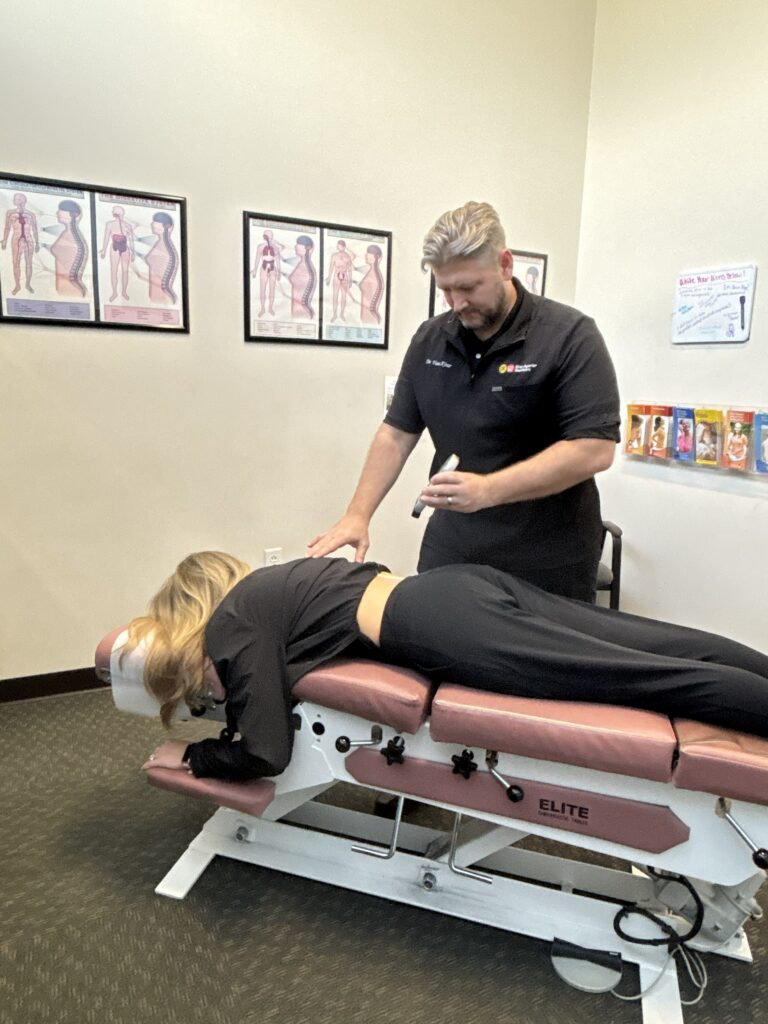
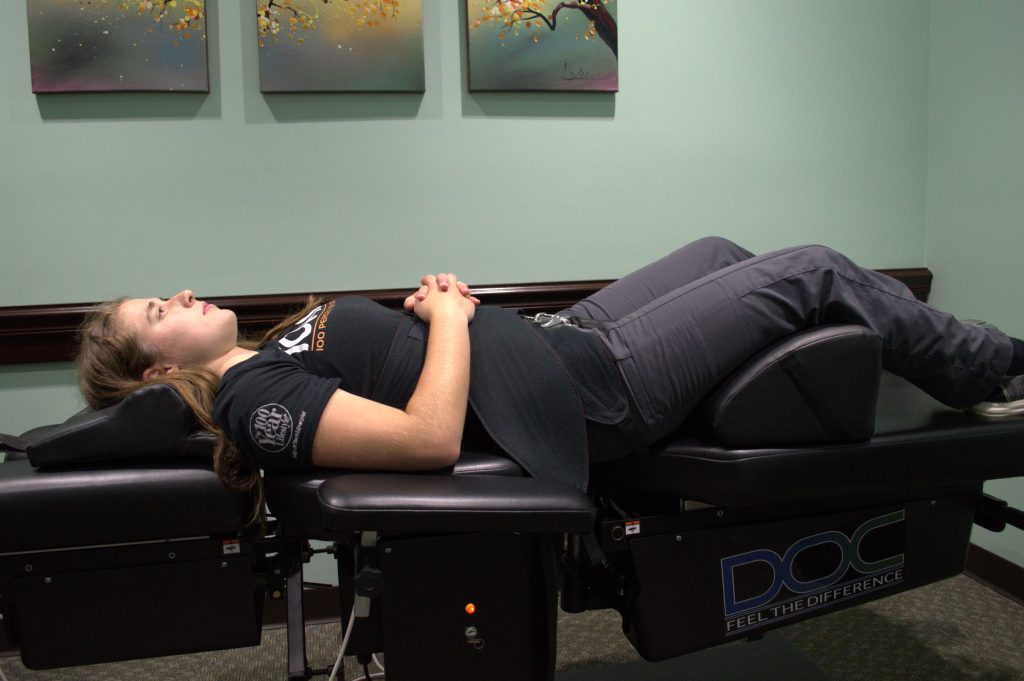
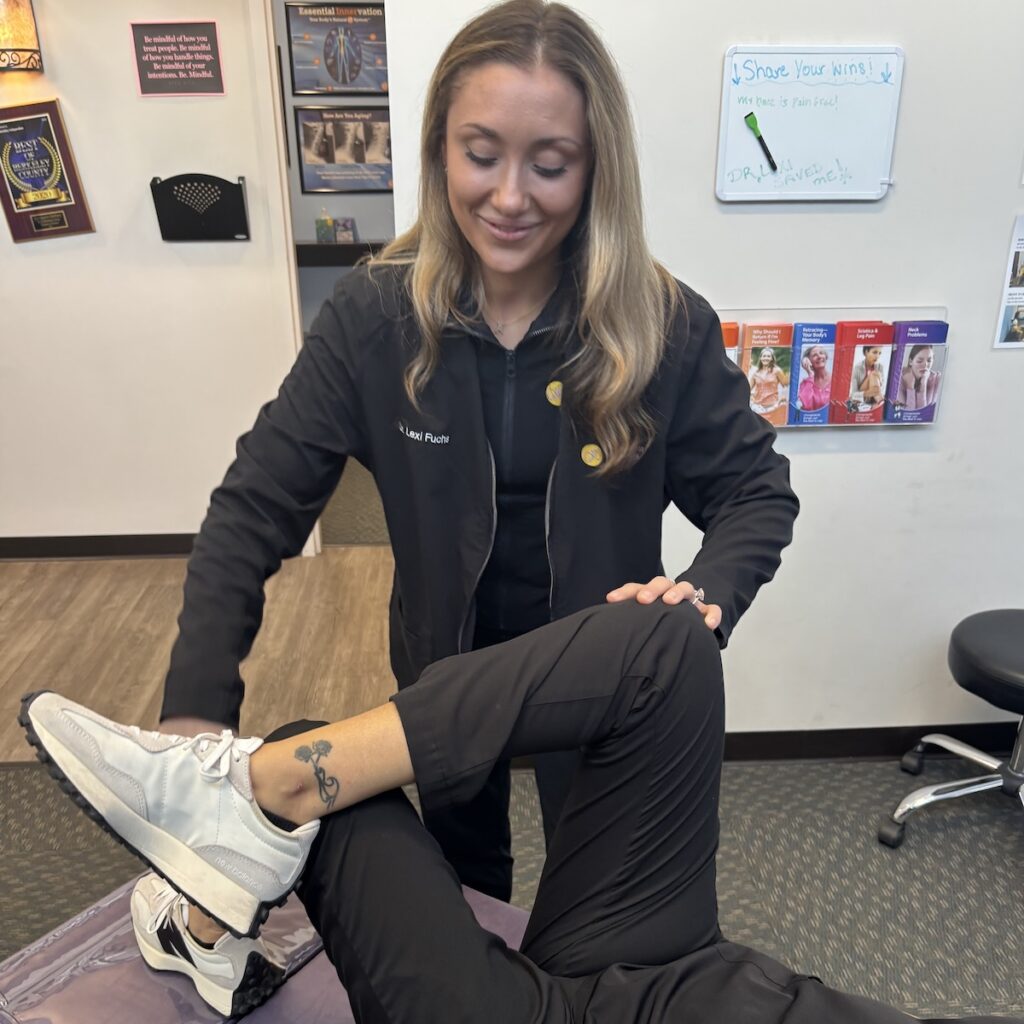
As a chiropractor, I emphasize the importance of maintaining a healthy spine as part of achieving optimal health. Regular chiropractic adjustments can support your flexibility by aligning your spine and improving your body’s overall function. This natural approach to wellness can help alleviate tension and discomfort, making it easier for you to engage in stretching and movement.
To make these practices a part of your daily routine, try incorporating short stretching sessions throughout your day, especially if you have a sedentary job or lifestyle. Listening to your body is key; if something feels tight, take a moment to stretch it out. Remember, even small, consistent efforts can lead to significant improvements in your flexibility and overall health.
By focusing on these simple techniques and considering chiropractic care as a cornerstone of your health journey, you can enhance your flexibility and enjoy a more active, pain-free life.
Key Takeaways
- To enhance your flexibility and mobility, consider incorporating dynamic stretching exercises into your daily routine. Simple movements like leg swings and arm circles can help prepare your muscles for activity and improve your overall range of motion.
- Before any workout, it’s essential to establish a warm-up routine. This not only elevates your heart rate but also increases blood flow to your muscles, significantly reducing the risk of injury. Gentle movements can make a big difference in how your body feels during physical activity.
- Basic stretching techniques, such as neck and shoulder stretches, can be incredibly helpful. These stretches alleviate tension and promote flexibility, making it easier for you to move freely throughout the day.
- Regular chiropractic care is a fantastic way to support spinal alignment, which is crucial for maintaining flexibility. By visiting a chiropractor, you can enhance your movement and range of motion, allowing your body to function optimally without discomfort.
- Setting specific flexibility goals can keep you motivated on your journey to better health. Celebrate your small achievements along the way, as they help build consistency in your practice and encourage a commitment to natural wellness through chiropractic care.
Understanding Flexibility and Its Benefits
When you think about flexibility, it goes beyond just being able to touch your toes; it plays a crucial role in your overall health and well-being. Flexibility is about the range of motion in your joints and muscles, which impacts how easily you move in your daily life. Embracing flexibility can significantly enhance your athletic performance, enabling you to move with greater precision and power.
One of the great benefits of increased flexibility is its ability to reduce the risk of injuries. As your muscles and tendons become more resilient to strain, you’ll find that everyday activities feel easier and less strenuous. Better flexibility also supports improved posture, which can help alleviate discomfort in your back and neck—a common issue many of us face.
As you work on becoming more flexible, you might notice an improvement in circulation as well. This means better oxygen flow to your muscles, aiding in recovery after workouts and helping you feel more energized. Additionally, greater flexibility can promote relaxation and stress relief, contributing to an overall enhanced quality of life.
Incorporating chiropractic care into your wellness routine can be a fantastic way to support your journey toward flexibility. Chiropractors can help align your spine and joints, which can facilitate better movement and flexibility. Here are some general tips to enhance your flexibility at home:
- Incorporate Stretching: Take a few minutes each day to stretch major muscle groups. Focus on areas that feel tight, like your hamstrings, hips, and shoulders.
- Stay Hydrated: Proper hydration helps keep your muscles pliable, making it easier to stretch and maintain flexibility.
- Practice Mindful Movement: Activities like yoga or tai chi can improve your flexibility while also promoting relaxation and stress relief.
- Listen to Your Body: If something doesn’t feel right while stretching, don’t push through the pain. Instead, focus on gentle movements that feel safe and comfortable.
- Regular Chiropractic Visits: Schedule regular appointments with your chiropractor to maintain spinal health and improve your range of motion.
Importance of a Warm-Up Routine
Before engaging in any physical activity, it’s essential to prioritize a proper warm-up routine. Not only does this prepare your body for peak performance, but it also significantly reduces the risk of injury, which can be crucial for maintaining a healthy spine and overall well-being. A good warm-up elevates your heart rate, boosts blood flow to your muscles, and enhances flexibility. This means that your body, including your spine, is better equipped to handle the demands of your workout.
Neglecting a warm-up can lead to muscle strains, joint pain, and injuries that might keep you from your daily activities for weeks. Chiropractic care emphasizes the importance of a well-functioning nervous system and musculoskeletal system, which starts with proper preparation for physical exertion. Remember, a warm-up not only benefits your body but also enhances your mental focus, allowing you to fully engage in your activity.
For an effective warm-up, consider incorporating dynamic movements that mimic the exercises you’ll be doing. Simple actions like arm circles, leg swings, and gentle spine rotations can prepare your body for action while promoting spinal health. Just a few minutes spent on a warm-up can make a significant difference in how you feel during and after your workout.
As a chiropractor, I encourage you to view warm-ups as an integral part of your fitness routine. They’re a natural, effective way to minimize the risk of injury and support your journey toward optimal health. So, don’t overlook this essential step; it’s a key piece of maintaining a healthy, functioning body.
Basic Stretching Techniques for Beginners
Stretching is an essential part of any fitness routine, and it’s a practice that can significantly enhance your overall well-being and flexibility. As a chiropractor, I encourage you to incorporate regular stretching into your lifestyle, not just for flexibility but also to support your spinal health. Simple stretching techniques can make a big difference, especially for beginners.
Start with your neck: gently tilt your head to each side, holding for about 15 seconds. This helps release tension and promotes proper alignment in your cervical spine. Next, try shoulder stretches by bringing one arm across your chest and holding it with the opposite arm for a deeper stretch. This can alleviate tightness in your shoulders, which is essential for maintaining good posture.
For your upper body, reach overhead and lean to the sides to stretch your sides. This movement can help prevent stiffness and improve mobility in your thoracic spine. When it comes to your legs, a seated hamstring stretch is effective—sit with your legs extended and reach toward your toes. This stretch not only helps your hamstrings but also encourages a healthy lower back.
Don’t forget your quadriceps; standing on one leg, pull your opposite heel toward your glutes. This stretch supports the muscles around your pelvis, promoting better alignment of your spine. Finally, finish with a gentle forward bend to relax your back and legs. This position can relieve tension in your spinal muscles and improve circulation.
Remember to breathe deeply during each stretch, as this aids in relaxation and helps to enhance the effectiveness of your stretches. It’s crucial to listen to your body and never force a stretch. Consistency is key, so make stretching a habitual part of your daily routine. By doing so, you can complement your chiropractic care and work towards achieving optimal health and wellness naturally.
Incorporating Dynamic Stretching Into Your Day
Dynamic stretching is an excellent way to promote flexibility while warming up your muscles, which is essential for maintaining a healthy spine. By incorporating simple routines into your daily life, you can enhance your overall range of motion, support your spinal health, and help prevent injuries.
As a chiropractor, I often emphasize the importance of staying active and caring for your body naturally, and dynamic stretching is a fantastic way to do just that.
Let’s explore some easy dynamic stretches that you can seamlessly integrate into your day-to-day activities. Not only will these stretches help you feel more limber, but they also reinforce the benefits of chiropractic care by promoting better alignment and mobility.
- Arm Circles: Stand tall and extend your arms out to the sides at shoulder height. Make small circles forward for 15 seconds, then switch to backward circles. This helps warm up your shoulder joints, which are vital for maintaining proper posture and spinal alignment.
- Leg Swings: Stand next to a wall or sturdy surface for support. Swing one leg forward and backward in a controlled manner for 10-15 repetitions. This movement helps loosen up your hip joints, which play a crucial role in your overall body mechanics.
- Torso Twists: Stand with your feet hip-width apart and gently rotate your torso to the left and right, allowing your arms to follow the motion. This stretch can help increase spinal mobility and is especially beneficial if you spend a lot of time sitting.
- Walking Lunges: Take a step forward into a lunge position, making sure your knee stays behind your toes. Alternate legs as you move forward. This dynamic stretch engages your hips and legs while promoting balance and coordination, essential for a healthy spine.
By making these dynamic stretches a part of your daily routine, you support your body’s natural movement patterns and reduce the risk of pain and discomfort.
Benefits of Dynamic Stretching
Incorporating dynamic stretching into your daily routine can significantly enhance your flexibility and overall well-being, especially when paired with regular chiropractic care.
Unlike static stretching, which holds positions, dynamic stretches involve movement that prepares your muscles and joints for activity. This type of stretching increases blood flow and raises the temperature in your muscles, which can help reduce the risk of injury during workouts.
As a chiropractor, I often see how improved flexibility and range of motion can lead to better posture and spinal health. Dynamic stretching can enhance your range of motion, allowing you to perform everyday movements more efficiently and with less strain on your body.
It also activates the muscles you’ll need during your physical activities, which can improve your athletic performance and support your overall health.
Whether you’re warming up before a workout, taking a break during your day, or simply looking to maintain a healthy lifestyle, integrating dynamic stretching can provide immediate benefits. It sets the foundation for long-term gains in flexibility and mobility.
Here are some simple dynamic stretches you can try:
- Arm Circles: Stand with your arms extended to the sides and make small circles, gradually increasing the size. This helps warm up your shoulders.
- Leg Swings: Stand on one leg and swing the other leg forward and backward. This is great for hip flexibility.
- Walking Lunges: Take a step forward into a lunge, alternating legs as you walk. This engages multiple muscle groups and enhances balance.
Integrating these stretches into your routine, alongside regular chiropractic adjustments, can help promote natural healing, improve your mobility, and support a healthier lifestyle. Remember, chiropractic care is a powerful ally in your journey towards optimal health, helping you stay active and pain-free.
Easy Dynamic Stretching Routines
Incorporating movement into your daily routine is a great way to promote spinal health and overall well-being. As a chiropractor, I encourage you to embrace dynamic stretching as a natural way to relieve tension and enhance your flexibility. Start your day with a few gentle leg swings while you wait for your coffee to brew. This simple movement can help loosen up your hips and prepare your body for the day ahead.
During breaks, consider doing arm circles or torso twists to keep your spine engaged and promote better posture. If you find yourself sitting at a desk for long periods, take a moment to do ankle rolls and seated marches to stimulate circulation and prevent stiffness. Remember, maintaining spinal alignment is key to preventing discomfort.
Before any workout, warming up is essential. Incorporate walking lunges and high knees to get your muscles ready while also supporting the health of your spine. And don’t forget to take short, active breaks while watching TV—gentle side lunges or butt kicks can keep your body moving and your spine healthy.
These straightforward routines can significantly boost your energy levels, improve flexibility, and contribute to your overall well-being. By making these small changes, you can enhance your daily life and support your journey toward optimal health through the natural healing benefits of chiropractic care. Remember, staying active isn’t just about exercise; it’s about nurturing your body and mind every day.
The Role of Yoga in Improving Flexibility
If you’re looking to enhance your flexibility, incorporating yoga into your routine can be beneficial. However, it’s important to remember that flexibility is closely tied to spinal health, and that’s where chiropractic care comes in. Regular chiropractic adjustments can help improve your range of motion and posture, making it easier for you to perform yoga poses effectively.
While yoga offers a variety of poses that target tight areas in your body, combining these practices with chiropractic care can amplify the benefits. A well-aligned spine supports better movement and flexibility, allowing you to experience the full advantages of your yoga practice.
Here are a few tips to help you improve your flexibility naturally:
- Stay Consistent: Just like chiropractic care, regularity is key. Make a commitment to practice yoga a few times a week, and consider visiting your chiropractor regularly to maintain spinal health.
- Listen to Your Body: Pay attention to how your body feels during yoga. If a pose causes discomfort, it may be a sign to consult your chiropractor, who can help address any underlying issues.
- Focus on Breathing: Deep, controlled breathing can enhance your yoga practice and help release tension in tight muscles, making it easier to achieve greater flexibility.
- Incorporate Stretching: Along with yoga, gentle stretching can support your flexibility goals. Simple stretches throughout the day can complement your overall wellness routine.
- Stay Hydrated: Proper hydration supports joint health and muscle function. Make sure to drink plenty of water, especially after your yoga sessions.
Benefits of Regular Practice
Regular practice of yoga can significantly enhance your flexibility, but it’s also important to understand how it complements chiropractic care in achieving optimal health and well-being.
As a chiropractor, I advocate for a holistic approach to health that prioritizes natural healing and pain relief.
Here are some key benefits of incorporating yoga into your wellness routine, especially alongside chiropractic care:
- Increased Range of Motion: Just like chiropractic adjustments help align your spine and improve joint function, regular yoga practice encourages greater mobility in your joints and muscles. This can reduce stiffness and make everyday activities easier.
- Improved Posture: Yoga strengthens your core and promotes better body alignment. When your spine is aligned through chiropractic care, practicing yoga can further enhance your posture, reducing unnecessary strain and discomfort in your back and neck.
- Enhanced Circulation: Yoga encourages blood flow, which is crucial for recovery and overall health. When paired with chiropractic adjustments that improve spinal alignment, you’ll find that your body can heal more effectively and reduce muscle soreness.
- Stress Relief: The mindfulness and relaxation techniques in yoga can help alleviate tension in both your body and mind. This is especially beneficial when complemented by chiropractic care, which helps release physical tension and promotes a sense of well-being.
To maximize the benefits of both yoga and chiropractic care, consider these tips:
- Stay Consistent: Just as with chiropractic visits, consistency is key in yoga. Try to incorporate a short practice into your daily routine.
- Listen to Your Body: Pay attention to how your body feels during yoga. If you experience pain, consult with your chiropractor to ensure your spine is aligned and functioning optimally.
- Combine Practices: Schedule your chiropractic appointments around your yoga sessions to enhance the benefits of both practices. This synergy can lead to better overall results.
Key Poses for Flexibility
Yoga consistently offers a variety of poses that can enhance your flexibility, which is essential for maintaining a healthy spine and overall well-being.
One particularly beneficial pose is the Downward Facing Dog, which effectively stretches your hamstrings and calves, helping to relieve tension and promote better alignment. The Cobra pose not only opens up your chest but also improves spinal flexibility, making it easier for your spine to maintain its natural curves.
Additionally, the Butterfly pose is excellent for targeting the hips, which can become tight and contribute to discomfort in your lower back. The Pigeon pose is another powerful option, known for its ability to release tension in the hips and glutes, areas often affected by prolonged sitting or poor posture. Incorporating the Forward Bend can deepen your hamstring stretch, further enhancing your flexibility and contributing to a healthier spine.
As you practice these key poses, remember to hold each for several breaths. This allows your body to gradually open up and can lead to significant improvements in your overall flexibility. Improved flexibility can make daily movements easier and more enjoyable, ultimately supporting your journey to optimal health.
In addition to practicing yoga, consider integrating chiropractic care into your wellness routine. Regular chiropractic adjustments help maintain proper spinal alignment, which is crucial for overall flexibility and mobility. By supporting your body’s natural healing processes, chiropractic care can assist in alleviating pain and promoting a healthier lifestyle without the need for medications or surgeries.
As you work on your flexibility, keep in mind these helpful tips: stay consistent with your practice, listen to your body, and consult with a chiropractor for personalized guidance on maintaining a healthy spine. This holistic approach won’t only enhance your flexibility but also contribute to your overall health and wellness.
Utilizing Foam Rolling for Muscle Relief
Amid the hustle of daily workouts, foam rolling can be a fantastic tool for muscle relief, but it’s essential to remember that the best way to achieve optimal health and wellness is through chiropractic care. While foam rolling helps release tension, improve blood flow, and enhance recovery, it should complement the foundational benefits of regular chiropractic adjustments.
By aligning your spine and optimizing your nervous system function, you can support your body’s natural healing processes and promote overall wellness.
Here are some tips to enhance your foam rolling experience while keeping chiropractic care in mind:
- Target Specific Areas: Focus on tight spots like quads, hamstrings, and calves. However, it’s vital to consult with your chiropractor about which areas may be contributing to your discomfort, as spinal alignment plays a crucial role in muscle tension.
- Use Your Body Weight: Adjust the pressure by shifting your body weight to control how deep you roll. Remember, consistent chiropractic care can help reduce the need for excessive pressure during foam rolling by addressing underlying issues.
- Roll Slowly: Take your time, spending about 30 seconds on each muscle group. Rolling slowly allows your muscles to relax, but don’t forget that regular chiropractic adjustments can enhance your body’s ability to recover and relax.
- Breathe Deeply: Maintain steady breathing as you roll. Deep breaths not only enhance relaxation but also improve your overall experience. Incorporating relaxation techniques can go hand-in-hand with the benefits of chiropractic care.
Incorporating Flexibility Exercises Into Your Workday
Incorporating flexibility exercises into your workday can truly enhance your overall well-being, especially when it comes to maintaining a healthy spine. As a chiropractor, I often see how a few minutes of stretching or mobility work can dramatically reduce tension and improve focus. To keep your spine and body happy, consider setting reminders every hour to stand up and stretch. Simple movements like neck rolls, shoulder shrugs, or gentle side bends can make a significant difference in alleviating discomfort.
If you find yourself with a few extra minutes during a break, focus on stretches that target your hips, back, and legs. These areas often accumulate tension from prolonged sitting, which can lead to pain and discomfort. Remember, taking care of your spine is paramount for overall health.
You can also incorporate seated stretches right at your desk. Try reaching for your toes or gently twisting your torso to one side. These movements can help maintain spinal flexibility and prevent stiffness throughout the day.
Setting Realistic Goals for Flexibility Improvement
Setting Realistic Goals for Flexibility Improvement with Chiropractic Care
As a chiropractor, I often emphasize the importance of flexibility for overall health and wellness. While it may be tempting to dive into intense stretching routines, setting realistic goals for improving your flexibility is crucial for long-term success. Achieving attainable milestones not only keeps you motivated but also promotes steady progress. Here are four tips to help you set those goals effectively, all while considering how chiropractic care can support your journey:
- Assess Your Current Flexibility: Start by evaluating where you currently stand with your flexibility. This self-assessment will help you identify what’s realistic for you. Remember, chiropractic adjustments can enhance your range of motion, making it easier to set and achieve your flexibility goals.
- Define Specific Goals: Instead of vague aspirations like “be more flexible,” try to set specific targets, such as “touch my toes” or “complete a split.” Clear goals provide direction, and your chiropractor can assist you in creating a personalized plan to reach them safely.
- Set a Timeline: Establish a reasonable timeframe for your goals, whether it’s over a few weeks or months. Having a timeline helps you stay focused and committed. Regular chiropractic visits can help you track your progress and make necessary adjustments to your routine.
- Celebrate Small Wins: Every step forward is worth celebrating, no matter how small it may seem. Recognizing your achievements keeps motivation high. Consider sharing these milestones with your chiropractor; they can offer encouragement and additional strategies to keep you on track.
Maintaining Consistency for Long-Term Results
To achieve lasting improvements in flexibility, it’s crucial to maintain consistency in your routine. It’s not merely about stretching; it’s about integrating these practices into your everyday life. Aim to include flexibility exercises regularly—whether during your morning routine, before or after your chiropractic sessions, or even as a quick break throughout your day.
Start with simple stretches and gradually increase their intensity and duration as your body allows. Setting reminders can help keep you accountable, and tracking your progress can be a great motivator. Remember, rest days are vital too; they allow your muscles to recover and adapt, contributing to overall wellness.
Keep your routine fresh and engaging to prevent boredom. Explore different stretches or activities such as yoga or Pilates, which can enhance your flexibility and overall health. Consistency is the key to achieving long-term results, so make flexibility training an essential part of your wellness journey.
In addition to flexibility exercises, regular chiropractic care can significantly improve your overall physical function and posture, leading to better flexibility and less pain. By addressing spinal misalignments and ensuring your body is in optimal alignment, chiropractic care supports your flexibility goals naturally. Embrace these practices, and you’ll be on your way to a healthier, more flexible you!
Conclusion
By incorporating these simple techniques into your daily routine, you can significantly enhance your flexibility and overall well-being, which is essential for maintaining a healthy spine. As a chiropractor, I often emphasize the importance of flexibility in preventing pain and promoting optimal health. Start with a dynamic warm-up to get your body moving and ready for activity. Following that, incorporate targeted stretches that focus on key muscle groups to improve your range of motion.
Don’t overlook the benefits of foam rolling; this technique can help release muscle tension and improve circulation, making it a fantastic addition to your wellness routine. Yoga is another excellent choice, as it not only enhances flexibility but also helps to align your spine and promote relaxation.
Setting realistic goals and staying consistent with your flexibility practices are crucial for seeing long-term improvements. Remember, taking just a few minutes each day to prioritize your flexibility can have a profound impact on your body’s overall health. By keeping your muscles and joints flexible, you can help prevent injuries and reduce pain, making chiropractic care an ideal complement to your wellness journey. Your body will truly thank you for it!