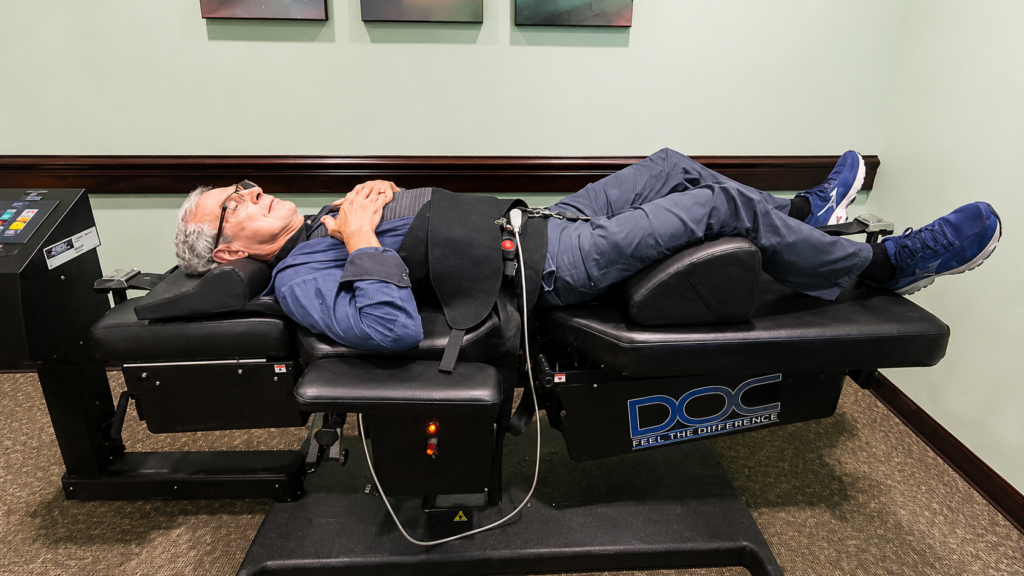

In today’s fast-paced work environment, maintaining good posture is crucial for not just productivity, but also for your overall health and well-being. Many people are unaware that slouching or poor ergonomics can lead to discomfort, pain, and a lack of focus. By addressing these posture-related issues, you can create a healthier workplace for yourself and your colleagues. So, what specific steps can you take to improve your posture and enhance your overall wellness? Let’s explore some practical strategies that can transform your daily routine and elevate your work experience—while highlighting the benefits of chiropractic care as a natural solution for achieving optimal health.
- Set Up an Ergonomic Workspace: Ensure your desk and chair are at the right height. Your feet should be flat on the floor, and your knees should be at a 90-degree angle. Consider using a chair that supports your lower back. This simple adjustment can keep your spine aligned and reduce strain.
- Take Regular Breaks: It’s essential to step away from your workstation every hour. Use this time to stretch, walk around, or practice deep breathing. These breaks not only help refresh your mind but also prevent stiffness and tension in your muscles.
- Mind Your Posture: Be conscious of your posture throughout the day. Keep your shoulders relaxed, your back straight, and your head aligned with your spine. If you find it difficult to maintain good posture, consider setting reminders on your phone to check in with your body.
- Incorporate Stretching and Strengthening Exercises: Engage in exercises that strengthen your core and back muscles. Simple stretches can also help alleviate tension. Yoga and pilates are excellent options to improve flexibility and posture.
- Visit Your Chiropractor: Regular chiropractic adjustments can help correct misalignments in your spine, which may be contributing to poor posture and discomfort. Chiropractic care is a natural, non-invasive approach to pain relief and promotes overall wellness. Your chiropractor can also provide personalized advice on maintaining healthy posture both at work and at home.
- Stay Hydrated and Nourished: Drinking plenty of water and eating a balanced diet supports your body’s natural healing processes. Proper hydration and nutrition can enhance your energy levels and focus, making it easier to maintain good posture throughout the day.
By implementing these strategies, you can significantly improve your posture and overall wellness in the workplace. Remember, chiropractic care is a vital component of a healthy lifestyle and can help you achieve optimal health without the need for invasive procedures or medications. Prioritize your well-being, and enjoy the benefits that come with a healthier spine and a more comfortable work environment!
Key Takeaways
Enhance Workplace Wellness Through Posture Correction
As a local chiropractor, I want to share some valuable insights on how you can improve your workplace wellness through posture correction. It’s essential to create an environment that supports your spinal health, and I’m here to guide you on how to do just that.
- Set Up Ergonomic Workstations: Begin by ensuring that your chair and desk are at the right height. An ergonomic workstation can significantly support your spinal alignment and reduce discomfort. Make sure your feet are flat on the ground, and your arms are at a comfortable angle when typing.
- Take Regular Breaks: It’s vital to give your body a break every 30 minutes. Stand up, stretch, and move around. This not only relieves tension but also resets your posture, helping to avoid stiffness and pain. Simple stretches can work wonders; try neck rolls or shoulder shrugs to ease tightness.
- Educate Yourself on Posture: Understanding the importance of good posture is crucial for your overall health. Consider attending posture training sessions available at your workplace or seeking resources that explain how to maintain proper alignment while sitting or standing. Good posture can lead to better productivity and fewer aches and pains.
- Consider Chiropractic Care: Regular chiropractic check-ups can help address any misalignments in your spine. Chiropractic care is a natural and effective way to promote spinal health and alleviate pain. It’s not just about fixing problems; it’s about maintaining optimal health so you can feel your best every day.
- Cultivate a Wellness Culture: Encourage a workplace culture that prioritizes posture correction. Engage with your coworkers about wellness initiatives that focus on spinal health. The more you share your knowledge and experiences, the more likely others will join in and benefit from the positive changes.
By implementing these simple yet effective strategies, you can enhance your workplace wellness and support your spinal health naturally. Remember, chiropractic care is your best ally in achieving pain relief and promoting a healthier lifestyle. Let’s prioritize our posture and wellness together!
Understanding the Importance of Posture in the Workplace
As a chiropractor, I want to emphasize the vital role that good posture plays in your overall health and well-being, especially considering how much time you spend at your desk.
Proper posture isn’t just about comfort; it’s crucial for maintaining a healthy spine and preventing long-term issues like chronic pain and fatigue.
When you’re slouched or hunched over, it doesn’t just affect your spine; it can also restrict blood flow and oxygen to essential organs.
This can lead to decreased productivity and concentration, making it even harder to get through your workday.
Maintaining good posture promotes a properly aligned spine, which helps distribute your weight evenly across your body.
This alignment reduces strain on your muscles and ligaments, allowing you to work more efficiently.
Not only can sitting upright help alleviate discomfort, but it can also enhance your mood and energy levels, keeping you engaged and focused throughout the day.
Here are some simple tips to improve your posture at work:
- Adjust Your Chair: Ensure your chair supports your lower back. Your feet should flat on the floor or on a footrest, and your knees should be at a 90-degree angle.
- Screen Height: Position your computer screen at eye level. This helps you avoid looking down or craning your neck.
- Take Breaks: Set a timer to remind you to stand up, stretch, or walk around every 30 minutes. This helps relieve tension and promotes circulation.
- Strengthen Your Core: Engaging in exercises that strengthen your core can help support your spine and maintain good posture.
- Be Mindful: Regularly check in with your posture. Are your shoulders back? Is your back straight? Being mindful of how you sit can make a significant difference.
By incorporating these tips into your daily routine, you’re taking steps toward better posture and overall health.
Remember, chiropractic care is an excellent way to support your spine and enhance your well-being naturally.
If you’re experiencing discomfort or want to improve your posture further, consider visiting a chiropractor who can provide personalized guidance and treatment.
Investing in your posture today means investing in a healthier, more productive tomorrow.
Common Posture Issues Faced by Employees
You mightn’t be aware, but slouching and a forward head position are common posture issues that many employees encounter, especially during long hours at a desk. Poor desk ergonomics can worsen these problems, leading to discomfort and a drop in productivity. As a chiropractor, I want to emphasize that recognizing these posture issues is the first step toward finding relief and enhancing your overall well-being.
Incorporating chiropractic care into your routine can be a game-changer for addressing these posture-related problems. Chiropractic adjustments can help realign your spine, relieve tension, and improve your posture, allowing your body to function at its best.
Here are some simple tips you can implement right away to promote better posture and spinal health:
- Set Up Your Workspace: Ensure your chair supports your lower back, and that your monitor is at eye level to prevent leaning forward.
- Take Regular Breaks: Stand up, stretch, and move around every 30 minutes to keep your muscles engaged and alleviate tension.
- Practice Good Posture: Keep your shoulders back and down, your feet flat on the floor, and your back straight while sitting.
- Strengthen Your Core: Engaging in exercises that strengthen your core can help support your spine and improve your overall posture.
- Stay Hydrated: Drinking water helps keep your discs in the spine hydrated and functioning properly.
Slouching and Forward Head
Many employees find themselves slipping into slouching and forward head posture, especially during those long hours at their desks. This common issue can lead to discomfort, increased fatigue, and even chronic pain over time. As a chiropractor, I want to emphasize that recognizing the signs of poor posture is essential for your overall well-being and can significantly impact your health.
| Posture Issue | Effects |
|---|---|
| Slouching | Back pain, decreased energy |
| Forward Head Posture | Neck strain, headaches |
| Both Combined | Reduced productivity, fatigue |
When your posture suffers, so does your quality of life. Slouching can lead to back pain, while forward head posture can cause neck strain and tension headaches. Not only does this affect your physical comfort, but it can also reduce your productivity and leave you feeling drained.
To combat these issues and promote a healthier spine, consider incorporating regular breaks into your work routine. Stand up, stretch, and take a moment to check your posture. Adjusting your chair and monitor height can also make a significant difference in how you sit throughout the day.
Chiropractic care is a fantastic way to address and correct these posture-related issues. Regular adjustments can help realign your spine, relieve tension, and improve your overall posture. It’s a natural, effective approach to achieving optimal health and wellness.
Desk Ergonomics Misalignment
Poor posture at your desk is often a result of misalignment in ergonomics, which can lead to discomfort and pain, such as slouching and forward head posture. As a chiropractor, I want to emphasize the importance of proper desk setup to support your spine and overall well-being.
First, let’s talk about your chair’s height. If your chair is too low or too high compared to your desk, you might find yourself leaning forward or hunching your shoulders, which puts unnecessary strain on your spine. Aim to have your chair adjusted so that your feet are flat on the ground, and your knees are at a right angle. This simple adjustment can help alleviate tension in your back.
Your monitor’s position is also crucial for your neck health. It should be at eye level to prevent you from straining your neck while trying to see it. If it’s too low or high, your head may be pushed forward, leading to discomfort. If you need to, use a monitor stand to get it to the right height.
Next, pay attention to your keyboard and mouse placement. They should be close enough that you can keep your elbows at your sides while typing. Reaching can lead to wrist pain and discomfort, so ensure they’re positioned within easy reach. Consider using a wrist rest to provide additional support.
Lastly, don’t forget about your feet! Your feet should rest flat on the ground or on a footrest to promote good circulation and support your lumbar spine.
By making these small adjustments to your workspace, you can create an environment that encourages better posture and reduces discomfort throughout your workday. Remember, regular chiropractic care can also help address any existing issues and keep your spine in optimal health.
Embrace these habits, and you’ll be well on your way to a healthier, more comfortable work life!
The Link Between Posture and Productivity
While it may not be immediately obvious, the way you sit can significantly affect your productivity at work. Poor posture, such as slouching or sitting in awkward positions, can lead to discomfort and fatigue, making it challenging to focus. In contrast, maintaining good posture not only supports your spine but also promotes better blood circulation and oxygen flow. This can help enhance your focus and energy levels throughout the day.
When you sit upright and aligned, you may find that you engage more actively in meetings and complete tasks with greater efficiency. Your body’s alignment plays a crucial role in your overall comfort and mental clarity. When your spine is properly aligned, you’re less likely to be distracted by aches and pains, allowing you to immerse yourself deeply in your work.
As a chiropractor, I recommend incorporating a few simple tips to improve your posture and productivity:
- Adjust Your Workspace: Ensure that your chair and desk are set up to promote good posture. Your feet should be flat on the floor, your knees at or below hip level, and your screen should be at eye level.
- Take Breaks to Stretch: Every hour, take a few minutes to stand up, stretch, and move around. This helps relieve tension and reset your posture.
- Practice Core Strengthening Exercises: A strong core supports better posture. Simple exercises like planks or bridges can help strengthen your abdominal muscles.
- Stay Hydrated: Drinking enough water can help keep your muscles hydrated and support overall bodily function, including maintaining good posture.
- Schedule Regular Chiropractic Check-ups: Regular visits to a chiropractor can help ensure that your spine is aligned, reducing discomfort and enhancing your overall health and productivity.
Benefits of Posture Correction for Employee Health
Regularly correcting your posture is essential for enhancing your overall health and well-being, especially for those of us spending long hours at a desk.
When you maintain proper spinal alignment, you significantly reduce the risk of musculoskeletal disorders, which are all too common in sedentary jobs. This means less discomfort, fewer days away from work due to back, neck, or shoulder pain, and a more comfortable workday overall.
Good posture not only supports your spine but also boosts your lung capacity and improves circulation. This leads to better oxygen flow and nutrient delivery throughout your body, giving you that much-needed energy boost to stay alert and focused on your tasks.
Additionally, maintaining good posture can have a positive effect on your mood by lowering stress levels and fostering a sense of confidence. When you’re feeling physically well, it naturally contributes to better mental health and overall happiness.
As a chiropractor, I advocate for posture correction as a natural way to promote wellness. Here are some tips you can easily incorporate into your daily routine:
- Mind Your Alignment: Sit all the way back in your chair with your feet flat on the floor and your knees at hip level. Keep your back straight and shoulders relaxed.
- Take Breaks: Stand up and stretch or walk around every 30 minutes to give your spine a break and reset your posture.
- Strengthen Your Core: Engage in exercises that strengthen your abdominal muscles, which help support your spine.
- Stay Hydrated: Drinking water can help maintain the elasticity of your spinal discs and keep you energized.
- Regular Chiropractic Check-ups: Regular visits to your chiropractor can help ensure your spine is properly aligned, which is crucial for maintaining optimal health.
By investing time in posture correction and considering chiropractic care, you’re not just surviving in your role but thriving.
Make those adjustments and experience the difference in your health and productivity!
Creating an Ergonomic Workspace
Creating an ergonomic workspace is essential for maintaining good posture and overall spinal health, which we know plays a critical role in your well-being. As a chiropractor, I want to share some straightforward tips that can help you set up your workspace in a way that supports your body and promotes natural healing.
Start by adjusting your chair so that your feet rest flat on the floor and your knees are bent at a 90-degree angle. This positioning is crucial for maintaining the natural curve of your spine. Make sure your chair offers good lumbar support to keep your lower back aligned—this can significantly reduce discomfort and prevent future pain.
Next, position your desk at elbow height, ensuring that your arms can rest comfortably while typing. This simple adjustment can help alleviate tension in your shoulders and neck, which is often a sign that your workspace isn’t quite right.
Your computer monitor should be at eye level and about an arm’s length away. This setup helps reduce neck strain and encourages a neutral head position, vital for supporting your spinal health. Remember to use a keyboard and mouse that are easy to reach, allowing your wrists to remain in a neutral position while you work.
Additionally, keep frequently used items within arm’s reach to avoid unnecessary stretching or twisting—these movements can put strain on your spine over time. By organizing your workspace thoughtfully, you’ll not only enhance your comfort but also support your overall productivity.
Exercises and Stretches for Better Posture
Improving your posture is essential for a healthy spine, and it doesn’t just happen while sitting at your desk. As a chiropractor, I believe that incorporating exercises and stretches into your daily routine is key to maintaining spinal health and overall wellness.
Start with simple neck stretches; gently tilt your head to each side and hold for 15-20 seconds. This helps release tension and promotes better alignment. For your shoulders, try shoulder rolls. This easy exercise can relieve tightness and support proper posture.
Strengthening your core is also crucial for a healthy spine. Incorporate exercises like planks and bridges into your routine. These movements stabilize your spine, allowing for better posture and reducing discomfort. Don’t forget about your lower back—try the cat-cow stretch to increase flexibility and ease any strain.
Additionally, if you find yourself slouching after long hours at the computer, take a moment to stand up and perform a quick chest opener. Clasp your hands behind your back and gently lift your arms—this simple action can counteract the effects of prolonged sitting.
Encouraging a Culture of Wellness in the Workplace
Creating a culture of wellness in your workplace is essential for fostering a healthier, more productive environment. One of the first steps is to promote ergonomic workspaces that encourage proper posture. This is crucial because poor posture can lead to discomfort and chronic pain, which may hinder your employees’ performance.
As a local chiropractor, I recommend implementing regular stretch breaks throughout the day. These breaks can help alleviate tension in the muscles and joints, enhancing overall well-being. Encourage your team to take a few minutes every hour to stand up, stretch, and move around. Simple stretches like neck rolls, shoulder shrugs, and back twists can make a significant difference in reducing discomfort.
Additionally, offering posture training sessions can educate your employees about maintaining proper alignment while sitting or standing. This knowledge not only helps prevent pain but also improves focus and productivity. Remember, a well-aligned spine supports better overall health, which is the foundation for a thriving workplace.
Chiropractic care plays a vital role in achieving and maintaining optimal health. Regular visits to a chiropractor can help address any underlying spinal issues, providing natural relief from pain without the need for medications or invasive procedures. By incorporating chiropractic principles into your workplace wellness initiatives, you empower your employees to take charge of their health and well-being.
Here are some simple tips for promoting wellness in your workplace:
- Encourage movement: Incorporate walking meetings or standing desks to break the cycle of prolonged sitting.
- Educate on posture: Share resources or host workshops on proper sitting and standing techniques.
- Create a supportive environment: Ensure that workstations are set up ergonomically, with monitors at eye level and chairs that support the lower back.
- Promote chiropractic care: Share the benefits of regular chiropractic adjustments for maintaining spinal health and overall wellness.
Promote Ergonomic Workspaces
When it comes to fostering a culture of wellness, promoting ergonomic workspaces is essential for maintaining spinal health and overall well-being. As a chiropractor, I believe that your work environment should be designed with comfort and functionality to support your body. Start by investing in adjustable chairs and desks that allow you to customize your setup for optimal posture. This is crucial for preventing strain on your spine and ensuring you can work comfortably throughout the day.
Using monitor stands is another simple yet effective way to keep screens at eye level and reduce neck strain. Your head should ideally be aligned with your spine, and monitor stands can help you achieve that balance. Additionally, consider incorporating tools like keyboard trays and footrests. These can enhance your workstation’s ergonomics and promote better alignment of your body while you work.
Education is also key when it comes to adopting ergonomic practices. I encourage you to share knowledge about the benefits of these adjustments with your coworkers. By prioritizing ergonomic setups, you can significantly reduce the risk of pain and discomfort, which often leads to more productivity and improved morale.
Implement Regular Stretch Breaks
Incorporating regular stretch breaks into your workday is essential for maintaining optimal health and well-being. As a chiropractor, I often see the positive impact that simple movements can have on your spine and overall body function. These brief moments away from your desk not only reduce muscle tension but also enhance your energy levels and focus, which is crucial for a productive day at work.
Establishing a culture of wellness within your workplace can greatly benefit both your health and your team’s morale. Here’s a straightforward table to help you integrate effective stretch breaks into your daily routine:
| Time of Day | Suggested Stretch | Duration |
|---|---|---|
| Morning | Neck Rolls | 2 minutes |
| Midday | Shoulder Stretch | 2 minutes |
| Afternoon | Wrist and Finger Stretch | 2 minutes |
Taking just a few minutes for these stretches can lead to a more comfortable and happier work environment. Regular stretching can help alleviate tension and prevent discomfort in your spine, keeping you aligned and pain-free. Remember, when your body feels good, your mind can focus better.
Encourage your colleagues to join in on these simple stretches. Not only will it promote a healthier work atmosphere, but it can also foster camaraderie among your team. Remember, chiropractic care is a natural way to achieve optimal health and wellness. By embracing these stretch breaks, you can enhance your quality of life without the need for medications or surgeries. Get moving and enjoy the benefits of a healthier, more flexible body!
Offer Posture Training Sessions
Enhancing workplace wellness can be as simple as incorporating posture training sessions, which are vital for maintaining a healthy spine. As a local chiropractor, I understand the importance of proper posture in preventing discomfort and promoting overall well-being. When you and your colleagues learn how to maintain good posture throughout the workday, you can significantly reduce pain and boost productivity.
Consider hosting sessions led by a qualified professional who can demonstrate effective exercises and ergonomic adjustments tailored to your workplace. These adjustments can make a world of difference. Simple changes, like the way you sit or stand at your desk, can alleviate stress on your spine and improve your overall health.
Encourage everyone to participate in these sessions to create a culture of wellness in your workplace. Remember, when your spine is aligned and healthy, it supports your entire body, leading to greater energy levels and improved morale.
Regular posture training can foster a more engaged and healthier workforce. As you embrace these practices, you may find that chiropractic care becomes an essential part of your journey to optimal health. By prioritizing spinal health, you’re choosing a natural approach to pain relief and well-being. So, why not start today? Your spine will thank you!
Implementing Posture Correction Programs
In today’s fast-paced work environment, prioritizing posture correction is vital for enhancing employee well-being and productivity. As a local chiropractor, I understand the importance of a healthy spine and how good posture plays a crucial role in maintaining it.
Start by assessing your workplace’s specific needs. Look for common posture-related issues employees may experience, such as slouching or improper desk ergonomics. These problems can lead to discomfort and even chronic pain, which is where chiropractic care can make a significant difference.
Implement a structured program that includes posture training, stretching exercises, and workstation adjustments tailored to support a healthy spine. Encourage employees to attend workshops where they can learn about proper posture techniques and the importance of regular movement. This knowledge not only empowers them to take care of their bodies but also promotes a proactive approach to health.
Consider incorporating ergonomic chairs and standing desks to create a supportive work environment. These tools can significantly reduce strain on the spine, but remember that they’re most effective when combined with proper posture practices.
As a chiropractor, I recommend simple tips for maintaining good posture throughout the workday:
- Sit Up Straight: Keep your back aligned with the chair, shoulders relaxed, and feet flat on the floor or on a footrest.
- Take Frequent Breaks: Stand up, stretch, and move around every 30 minutes to alleviate tension and improve circulation.
- Mind Your Screen Height: Ensure your computer monitor is at eye level to avoid neck strain.
- Practice Stretching: Incorporate gentle stretches into your day to keep your muscles flexible and reduce tightness.
Regularly share the benefits of these practices with your team and motivate them to stay engaged. Create a culture of wellness by introducing friendly challenges that encourage good posture habits, which can further enhance team morale.
Measuring the Impact of Posture Correction on Workplace Wellness
While many workplaces implement posture correction programs, it’s essential to evaluate their impact on overall wellness. As a chiropractor, I know how crucial good posture is for maintaining a healthy spine and preventing pain. Here’s how you can measure the effectiveness of these programs and enhance workplace wellness:
- Employee Health Metrics: Pay attention to changes in reported pain levels or injuries linked to poor posture. Chiropractic care can help alleviate these issues naturally, promoting better spinal health and overall well-being.
- Productivity Levels: Observe if there’s an increase in output or efficiency after implementing posture correction strategies. When employees feel better, they tend to be more productive. Regular chiropractic adjustments can enhance energy levels and focus.
- Employee Satisfaction: Conduct surveys to understand staff comfort and morale, noticing any positive changes after interventions. A comfortable workspace, combined with chiropractic care, can lead to higher job satisfaction.
- Absenteeism Rates: Keep track of any changes in sick days taken due to posture-related problems. Chiropractic care can play a significant role in reducing these issues, promoting a healthier, more active lifestyle.
In addition to measuring these factors, consider incorporating some simple tips for maintaining good posture throughout the workday:
- Ergonomic Workstations: Set up your desk and chair to support your spine. Ensure your computer screen is at eye level and your chair offers sufficient lumbar support.
- Regular Breaks: Encourage employees to take short breaks every hour. Stand up, stretch, or walk around to keep the body moving and reduce tension.
- Mindful Sitting: Remind staff to sit all the way back in their chairs with feet flat on the floor. This helps maintain the natural curve of the spine.
- Chiropractic Care: Advocate for regular chiropractic visits. A chiropractor can provide tailored adjustments and exercises to improve posture and alleviate pain.
Conclusion
Incorporating posture correction into your workplace is a vital step towards enhancing wellness and productivity. As a chiropractor, I can tell you that creating ergonomic workstations is essential. Ensure that your desk, chair, and computer setup support a healthy posture, which can significantly reduce discomfort and strain on your spine.
Encouraging regular movement breaks is another crucial aspect. Taking short breaks to stand, stretch, or walk can help alleviate tension in your muscles and keep your energy levels up throughout the day. Simple exercises, such as neck stretches, shoulder rolls, and back extensions, can also be easily integrated into your daily routine to promote spinal health.
Embracing a culture of wellness goes beyond just sitting up straight; it’s about investing in the health of everyone in your workplace. Chiropractic care is an excellent resource for achieving optimal health and natural pain relief. Regular chiropractic adjustments can help maintain proper spinal alignment, reduce pain, and enhance overall well-being.
Remember, by prioritizing your posture and taking proactive steps towards spinal health, you not only improve your own comfort but also contribute to a happier and healthier work environment for everyone. Let’s work together towards a future where wellness is at the forefront of our daily lives!