
Your posture at work plays a crucial role in your overall health and comfort. Poor alignment can lead to significant neck and back pain, which not only detracts from your well-being but can also hinder your focus and productivity. Luckily, there are simple adjustments you can make to improve your posture and enhance your overall wellness.
Incorporating movement into your day is essential. Take regular breaks to stand up, stretch, and walk around. This not only helps relieve tension but also encourages better alignment. Additionally, consider setting up your workspace ergonomically. Make sure your chair supports your lower back, your feet are flat on the ground, and your computer screen is at eye level. These small changes can make a big difference in how you feel throughout the day.
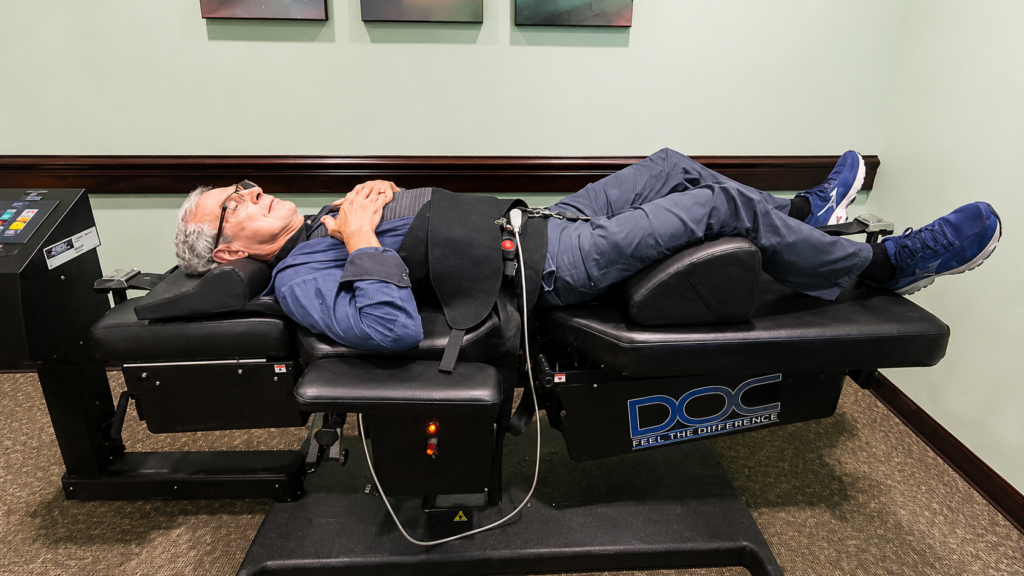
Chiropractic care is an excellent option for addressing posture-related issues and achieving optimal health. Regular chiropractic adjustments can help realign your spine, alleviate pain, and improve your body’s natural ability to heal. If you’re experiencing discomfort, it’s worth consulting a chiropractor who can provide personalized care tailored to your needs.
Remember, a healthier work environment starts with you. By making these adjustments and considering chiropractic care, you can create a more positive work experience and enhance your overall wellness. Let’s prioritize our health together!
Key Takeaways
- Maintaining proper posture is essential for keeping your spine aligned, which can significantly reduce discomfort and enhance your overall health while you work. Remember, a healthy spine is a key component of a healthy life!
- Creating an ergonomic workstation is a fantastic way to support good posture. This means arranging your desk, chair, and computer in a way that promotes comfort and productivity. Simple adjustments, like ensuring your screen is at eye level and your chair supports your lower back, can make a big difference.
- Don’t forget to take regular movement and stretching breaks throughout your workday. These small pauses can relieve tension, boost your energy levels, and sharpen your focus. Even a quick stretch or a short walk can do wonders for your body and mind.
- Chiropractic care is an excellent, non-invasive option for alleviating pain and supporting spinal health. Regular visits to a chiropractor can help maintain your posture and ensure your body functions at its best. It’s a natural approach to wellness that prioritizes healing without the need for medications or invasive procedures.
- By implementing daily habits that promote good posture, you can pave the way for long-term wellness and improve your overall satisfaction at work. Simple practices like sitting up straight, using a supportive chair, and stretching frequently can lead to lasting benefits. Remember, your health is your greatest asset, and chiropractic care can help you protect it!
The Importance of Posture in the Workplace
In today’s fast-paced work environment, maintaining good posture isn’t just about looking good; it’s vital for your overall health and productivity. As a chiropractor, I can’t stress enough how proper posture supports your spine and enhances your well-being.
When you sit or stand correctly, you improve blood circulation, which helps reduce fatigue and boosts your focus and efficiency in completing tasks.
Good posture is your ally in preventing discomfort during those long hours spent at your desk. By aligning your body properly, you can alleviate the strain on your muscles and joints, allowing you to work more comfortably and avoid unnecessary pain in the future.
Here are some simple tips to help you improve your posture at work:
- Adjust Your Chair: Make sure your chair supports your lower back and allows your feet to rest flat on the ground. If needed, use a footrest to achieve the right height.
- Monitor Position: Position your computer monitor at eye level to prevent neck strain. Your eyes should naturally gaze slightly downward when looking at the screen.
- Take Breaks: Don’t forget to get up and stretch regularly. This helps relieve tension and encourages good posture throughout the day.
- Mind Your Body Alignment: When sitting, keep your back straight, shoulders relaxed, and elbows close to your body. Your wrists should be straight while typing.
Remember, small adjustments can lead to significant improvements in how you feel during your workday. Utilizing chiropractic care can further enhance your posture and overall health, offering you a natural path to wellness.
Embrace these changes, and you’ll likely feel more energized and engaged with your work!
Common Posture-Related Issues and Their Impact
You may not be aware of just how much poor posture can impact your daily work life. Issues like neck and shoulder pain, lower back discomfort, and even decreased productivity can all arise from the way you sit and stand throughout the day. That’s why it’s essential to address these common posture-related issues—not just for your comfort but also for your overall health.
As a chiropractor, I can tell you that maintaining good posture is vital for a healthy spine. When your spine is aligned correctly, it supports your body in a natural way, reducing strain on your muscles and ligaments. This not only helps alleviate existing pain but also prevents future discomfort.
Here are some simple tips to improve your posture and enhance your well-being at work:
- Ergonomic Workspace: Ensure your workstation is set up for your comfort. Your computer screen should be at eye level, and your chair should support your lower back. Consider using a chair that promotes good posture.
- Take Breaks: Don’t forget to stand up and stretch every hour. This can help release tension that builds up from sitting for prolonged periods.
- Mind Your Posture: Be conscious of how you sit and stand. Keep your shoulders back, and your head aligned over your spine. Imagine a string pulling the crown of your head upward.
- Stay Active: Incorporate regular physical activity into your day. Simple stretches or a short walk can do wonders for your posture and overall health.
- Chiropractic Care: Regular chiropractic adjustments can greatly benefit your posture and spinal health. By addressing misalignments and tension, chiropractic care promotes natural healing and helps you maintain a healthy spine.
Neck and Shoulder Pain
How often do you catch yourself rubbing your neck or rolling your shoulders after a long day at work? If you’re like many, it’s probably more often than you’d like to admit.
Poor posture is a common culprit behind neck and shoulder pain, often stemming from slouching or hunching over your desk. When your head juts forward, it puts added strain on your neck muscles, leading to discomfort. Additionally, tightness in your shoulder muscles can limit your range of motion and contribute to tension headaches.
This pain doesn’t just affect your comfort; it can also hinder your productivity and overall well-being. The good news is that by addressing your posture and making simple adjustments, you can alleviate these issues and create a healthier, more enjoyable work environment.
Chiropractic care is an excellent way to address neck and shoulder pain naturally. A chiropractor can help realign your spine, relieve tension in your muscles, and promote better posture, all of which can lead to significant relief. Regular chiropractic adjustments not only help with pain relief but also enhance your overall health and wellness.
Here are some general tips to help you keep your neck and shoulders feeling great:
- Mind Your Posture: Sit up straight with your shoulders relaxed and your feet flat on the ground. Your computer screen should be at eye level to avoid leaning forward.
- Take Breaks: Stand up, stretch, and move around every 30 minutes to keep your muscles engaged and avoid stiffness.
- Stretch It Out: Simple neck and shoulder stretches throughout the day can relieve tension. Try gently tilting your head from side to side or rolling your shoulders.
- Stay Hydrated: Drinking plenty of water helps keep your muscles hydrated and functioning properly.
- Consider Ergonomics: Adjust your workstation to make it more comfortable. Your chair should support your lower back, and your keyboard should be positioned to allow your elbows to stay close to your body.
- Seek Chiropractic Care: Regular visits to your chiropractor can help maintain your spinal health, relieve tension, and support your overall wellness journey.
Lower Back Discomfort
When sitting for long periods, it’s easy to overlook the health of your lower back. However, poor posture can lead to significant discomfort over time. Many people find themselves struggling with lower back pain due to slouching or sitting in awkward positions. This discomfort can hinder your daily activities and overall well-being.
As a chiropractor, I want to share some common posture-related issues that can contribute to lower back discomfort, along with tips on how to alleviate this pain naturally:
- Slouching – Leaning forward puts strain on your lumbar spine. To combat this, try to sit up straight with your shoulders back. Consider using a lumbar roll or cushion to support the natural curve of your lower back.
- Crossed Legs – Crossing your legs can cause muscle imbalances and tension. Instead, keep your feet flat on the ground or use a footrest to maintain proper alignment.
- Improper Chair Height – A chair that’s too low or too high can negatively affect your spine alignment. Adjust your chair so your knees are at a 90-degree angle with your feet flat on the floor. If necessary, use a cushion to elevate your seating position.
- Lack of Support – Insufficient lumbar support can exacerbate lower back pain. Invest in a chair that offers adequate support or place a small pillow behind your lower back to help maintain the proper curvature of your spine.
Incorporating these tips can significantly improve your posture and help alleviate discomfort.
Additionally, regular chiropractic care can be an excellent way to promote spinal health and overall wellness. By addressing misalignments and improving your posture, chiropractic treatments can provide natural relief for your lower back pain and support your journey to optimal health. Remember, taking care of your spine is essential for a healthy lifestyle!
Reduced Productivity Levels
While good posture is often overlooked, it plays a crucial role in maintaining not only your productivity levels but also your overall health and wellness. As a chiropractor, I’ve seen firsthand how slouching or hunching over your desk can lead to discomfort and fatigue, making it harder to focus on tasks. Poor posture can restrict blood flow and oxygen to your brain, leading to decreased concentration and sluggishness. This might cause you to take more breaks or struggle to meet deadlines, ultimately affecting your work performance.
Additionally, posture-related issues such as neck pain or tension headaches can create distractions that further impact your efficiency. By correcting your posture, you can alleviate physical discomfort and enhance your mental clarity and energy. Simple adjustments can lead to significant improvements in your overall productivity and workplace satisfaction.
Here are some tips to help you maintain good posture and promote a healthier working environment:
- Mind Your Setup: Ensure your desk and chair are set up to support good posture. Your feet should be flat on the floor, your knees should be at a right angle, and your computer screen should be at eye level.
- Take Breaks: Don’t forget to take regular breaks. Stand up, stretch, and walk around every hour to keep your body in motion and reduce stiffness.
- Strengthen Your Core: Incorporate exercises that strengthen your core muscles, as a strong core supports better posture.
- Stay Hydrated: Drinking plenty of water can help keep your muscles hydrated and less prone to tension.
- Consider Chiropractic Care: Regular chiropractic adjustments can help maintain proper spinal alignment and alleviate discomfort, allowing you to function at your best.
Benefits of Posture Correction for Employees
Regularly correcting your posture while at work can yield remarkable benefits that not only enhance your physical health but also boost your productivity. Paying attention to how you hold your body can lead to positive changes in your work life. Here are some key benefits of maintaining proper posture, along with tips for achieving it:
1. Reduced Discomfort: Proper posture helps to alleviate strain on your muscles and joints, which can significantly reduce discomfort throughout your workday. Simple adjustments, like keeping your feet flat on the floor and your back straight, can make a world of difference.
2. Increased Energy Levels: When you sit or stand with good posture, your body can better circulate oxygen. This means you’ll feel more energized and focused on your tasks, allowing you to work more efficiently without succumbing to fatigue.
Take breaks to stretch and adjust your position regularly to maintain this energy boost.
3. Enhanced Concentration: Less pain and discomfort means you can dedicate your attention to your work. By prioritizing posture, you can improve your focus, resulting in better performance.
Try setting reminders to check your posture throughout the day, ensuring you’re aligned and comfortable.
4. Boosted Confidence: Standing tall and sitting properly can elevate your self-esteem, making you feel more assertive in meetings and interactions. When you feel good about your posture, it can reflect positively in your communication and decision-making.
To further support your posture and overall well-being, consider incorporating regular chiropractic care into your wellness routine. Chiropractors can provide personalized adjustments that align your spine, helping to relieve pain and enhance your body’s natural abilities.
This natural approach to health promotes optimal function without the need for invasive procedures or medications.
Incorporate these posture tips into your daily routine, and consider visiting a chiropractor for ongoing support in achieving and maintaining your health goals. Embrace the journey to better posture and overall wellness!
Strategies for Improving Posture at Work
Improving your posture at work is essential for your overall health and well-being. As a chiropractor, I believe that maintaining a healthy spine is the foundation of a productive and pain-free work life. By setting up an ergonomic workstation, incorporating regular stretching breaks, and practicing posture awareness, you can significantly enhance your comfort and efficiency throughout the day.
First, let’s talk about creating an ergonomic workstation. This means arranging your desk, chair, and computer setup in a way that supports your body’s natural alignment. Make sure your chair has good lumbar support, and your feet are flat on the floor. Your computer screen should be at eye level to avoid straining your neck. This setup not only helps prevent discomfort but also promotes better spinal health.
Next, don’t forget the importance of regular stretching breaks. Taking short breaks every hour to stand up, stretch, and move around can help relieve tension in your muscles and reduce the risk of developing chronic pain. Simple stretches like neck rolls, shoulder shrugs, and back stretches can make a world of difference in how you feel throughout the day.
Lastly, engage in posture awareness training. Being mindful of your posture while sitting or standing can lead to significant improvements over time. Make it a habit to check in with your body regularly—are your shoulders relaxed? Is your back straight? By cultivating an awareness of your posture, you can prevent the slouching and hunching that often occurs during long hours at a desk.
Ergonomic Workstation Setup
Setting up an ergonomic workstation is essential for enhancing your comfort and productivity while reducing the risk of pain and discomfort. As a chiropractor, I understand the importance of proper alignment and posture in maintaining a healthy spine.
By creating a workspace that supports your body, you can promote better spinal health and overall wellness. Here are four important strategies to consider:
- Chair Height: Your chair should provide support for your lower back and allow your feet to rest flat on the floor. This helps maintain the natural curve of your spine and reduces pressure on your back.
- Monitor Position: Position your monitor at eye level, about an arm’s length away. This helps keep your neck in a neutral position, reducing the risk of strain and discomfort that can lead to headaches and neck pain.
- Keyboard and Mouse: Ensure your keyboard and mouse are at a height that allows your elbows to stay close to your body and form a 90-degree angle. This positioning helps avoid unnecessary tension in your shoulders and wrists, which is crucial for preventing repetitive strain injuries.
- Desk Height: Your desk should be set at a height that allows your forearms to be parallel to the floor while you’re typing. This alignment helps promote good posture and reduces strain on your back and neck.
By implementing these simple adjustments, you can create a workspace that not only enhances your comfort but also supports your spinal health.
Stretching and Movement Breaks
Even with an ergonomic workstation, it’s all too easy to slip into poor posture habits if you find yourself sitting for extended periods. This is where the importance of incorporating stretching and movement breaks into your daily routine comes into play. As a local chiropractor, I can’t stress enough how vital these breaks are for maintaining spinal health and overall well-being.
Set a timer to remind yourself to stand up every 30 to 60 minutes. Use these moments to perform simple stretches like shoulder rolls and neck tilts. These gentle movements can help alleviate tension, promote blood flow, and keep your spine in alignment. Taking a brief walk around the office or doing a few squats can also engage your muscles, allowing them to stay active and healthy.
Remember, these short breaks not only support better posture but also enhance your productivity and focus throughout the day. Just a few minutes of movement can significantly impact how you feel. Prioritizing these breaks contributes not only to your physical health but to your overall wellness.
Chiropractic care is an excellent way to ensure your spine remains healthy and free from pain. By integrating regular movement and stretching into your routine, along with chiropractic adjustments, you can achieve optimal health and enjoy a more vibrant life. Embrace these tips for a healthier lifestyle, and let chiropractic care guide you on your journey to wellness.
Posture Awareness Training
To enhance your posture awareness while you work, it’s important to pay attention to how you sit and move throughout your day. Being mindful of your posture not only helps prevent discomfort but also boosts your productivity.
Here are some practical strategies to improve your posture and promote overall well-being:
- Assess Your Workspace: Ensure that your chair, desk, and computer screen are at appropriate heights to support proper alignment. This setup can reduce strain on your spine and help you maintain a healthy posture.
- Ground Your Feet: Keeping your feet flat on the floor or on a footrest can provide vital support for your lower back. This simple adjustment can make a significant difference in your comfort level.
- Strengthen Your Core: Engaging and strengthening your core muscles is essential for maintaining proper spine alignment. A strong core supports your back and helps you sit up straight, reducing the risk of pain.
- Set Regular Reminders: Use alarms or reminders to check your posture throughout the day. This can reinforce good habits and keep you aware of how your body is positioned, helping to prevent discomfort.
- Consider Chiropractic Care: Regular visits to a chiropractor can aid in maintaining optimal spinal health. Chiropractic care focuses on natural healing and can effectively address posture-related issues without the need for invasive procedures or medications.
Ergonomic Workstation Setup Tips
Creating an ergonomic workstation is crucial for your overall health and well-being, especially if you spend long hours at your desk. As a chiropractor, I want to emphasize that maintaining proper posture and alignment can help prevent pain and discomfort, ultimately supporting your spinal health. Here are some simple adjustments you can make to your workspace to promote better posture and comfort:
- Chair Height: Adjust your chair so that your feet rest flat on the floor. This helps keep your spine aligned and reduces strain on your lower back. Your knees should be at hip level, allowing for proper circulation.
- Monitor Position: Position your monitor at eye level, about an arm’s length away. This minimizes neck strain and encourages you to sit up straight, which is vital for a healthy spine.
- Keyboard and Mouse: Choose a keyboard and mouse that allow your wrists to remain straight and relaxed. Your elbows should ideally be at a 90-degree angle. This prevents unnecessary tension in your wrists and forearms, which can lead to discomfort and repetitive strain injuries.
- Footrest: If your feet don’t quite reach the floor, consider using a footrest. This can help support your feet and maintain proper posture, reducing pressure on your lower back.
Here’s a quick reference table to summarize these tips for your ergonomic setup:
| Element | Tip |
|---|---|
| Chair Height | Feet flat on the floor |
| Monitor Position | Eye level, arm’s length away |
| Keyboard Angle | Wrists straight, elbows at 90° |
| Mouse Position | Close to the keyboard |
| Footrest | Use if feet don’t touch the floor |
Incorporating Movement and Stretching Into the Workday
Incorporating movement and stretching into your workday is essential for maintaining a healthy spine and overall well-being. As a chiropractor, I want to emphasize that taking short breaks to move can help reduce tension, boost energy, and enhance focus, ultimately supporting your spinal health.
Here are some simple and effective ways to integrate movement and stretching into your daily routine:
- Set a Timer: Every hour, take a 5-minute break. Stand up, stretch, or walk around your office. This not only helps alleviate stiffness but also encourages better posture, which is vital for spinal health.
- Desk Stretches: Incorporate simple seated stretches like neck rolls or shoulder shrugs. These gentle movements can relieve tightness and keep your spine aligned, reducing the risk of discomfort.
- Walk Meetings: Propose walking meetings instead of sitting in a conference room. This keeps your body active and can stimulate creative thinking, while also promoting better spinal alignment.
- Use Stairs: Whenever possible, opt for the stairs instead of the elevator. Climbing stairs strengthens your legs and core, which supports your spine and improves your overall body mechanics.
Remember, regular movement and stretching can be powerful allies in achieving optimal health and reducing discomfort. By making these small adjustments to your workday, you’re taking significant steps toward better spinal health and natural wellness.
If you’re experiencing pain or discomfort, consider visiting your chiropractor for personalized care and guidance on maintaining a healthy spine.
Training and Resources for Posture Awareness
Maintaining good posture is crucial for your spinal health, and as a chiropractor, I understand that many people face challenges in staying aware of their body alignment throughout the day. Improving your posture is not just about looking good; it’s essential for your overall well-being and can help alleviate pain and discomfort.
To enhance your posture awareness, consider engaging in training programs and resources specifically designed for this purpose. Chiropractic care itself plays a vital role in teaching you how to maintain proper alignment and relieve tension in your body. Additionally, workshops, online courses, and ergonomic assessments can provide valuable insights into achieving and maintaining good posture.
Here’s a quick reference table to guide you on your journey towards better posture:
| Training Type | Description | Resources |
|---|---|---|
| Chiropractic Workshops | Hands-on sessions with experienced chiropractors to learn about body alignment and posture correction | Local chiropractic clinics |
| Online Courses | Flexible learning options to understand the principles of posture and spinal health at your own pace | Websites like Coursera |
| Ergonomic Assessments | Personalized evaluations to identify your unique posture challenges and how to address them | Professional chiropractors |
| Mobile Apps | Daily reminders and tips to keep you mindful of your posture throughout the day | Apps like PosturePal |
Remember, good posture starts with awareness. Here are some general tips you can easily incorporate into your daily routine:
- Check Your Alignment: Regularly remind yourself to check your alignment, especially when sitting or standing for long periods.
- Strengthen Your Core: Engage in exercises that strengthen your core muscles, as they play a key role in supporting your spine.
- Adjust Your Workspace: Ensure that your chair and desk are ergonomically designed to support your posture while working.
- Take Frequent Breaks: Stand up, stretch, and walk around every hour to promote circulation and relieve tension.
Measuring the Success of Posture Correction Initiatives
To determine how effective your posture correction efforts are, it’s important to establish clear metrics for success. Here are four key indicators to help you measure the impact of your initiatives, all while emphasizing the importance of chiropractic care for achieving optimal health and wellness:
- Employee Feedback: Regularly survey employees about their comfort and pain levels related to posture. Positive changes in feedback can indicate success. Remember, chiropractic adjustments can significantly enhance comfort and reduce pain, promoting a healthier work environment.
- Productivity Levels: Monitor productivity metrics before and after implementing posture correction strategies. Increases in output can suggest improved well-being. When your spine is aligned and functioning optimally through chiropractic care, you may find yourself more energized and focused throughout the day.
- Absenteeism Rates: Track the number of sick days taken due to musculoskeletal issues. A decline in absenteeism can reflect the benefits of better posture. Regular chiropractic visits can help address and prevent these issues, leading to fewer missed workdays and a healthier workforce.
- Posture Assessments: Conduct periodic assessments to evaluate posture improvements. Noticeable changes in alignment and ergonomics can be a straightforward measure of success. By incorporating chiropractic adjustments and advice on maintaining proper posture, you can help your team achieve long-lasting improvements.
As you work towards better posture and overall health, consider incorporating simple tips into your daily routine, like taking regular breaks to stretch, maintaining an ergonomic workspace, and prioritizing chiropractic care for ongoing support in your journey toward natural wellness.
Conclusion
By prioritizing posture correction in your workplace, you’re not just enhancing comfort; you’re setting the stage for improved health and well-being. Simple adjustments to your workstation and regular movement throughout the day can significantly reduce pain and fatigue, fostering a more focused and energized team.
As a chiropractor, I believe that investing in posture awareness and education is key to a healthier workforce. It’s important to recognize that proper posture doesn’t just alleviate discomfort; it can also enhance your overall quality of life. Here are a few tips to help you and your colleagues maintain better posture:
- Adjust Your Workspace: Ensure your chair, desk, and computer screen are set up to promote good posture. Your screen should be at eye level, and your chair should support your lower back.
- Take Breaks: Stand up, stretch, and move around every 30 minutes. This helps to relieve tension and refresh your mind.
- Practice Good Sitting Habits: Keep your feet flat on the ground, your knees at a right angle, and your shoulders relaxed. Avoid slouching or leaning forward.
- Stay Active: Incorporate physical activity into your routine, even if it’s just a walk during lunch. Movement is essential for spinal health.
- Consider Chiropractic Care: Regular chiropractic adjustments can help ensure your spine is aligned, which is crucial for maintaining good posture and overall health.
By embracing these strategies, you can create a workplace where everyone feels confident and comfortable. Chiropractic care serves as an excellent choice for achieving optimal health, pain relief, and natural wellness. Together, let’s foster a healthier work environment that promotes better performance and job satisfaction.