
If you’ve ever felt a headache creeping up from the base of your skull, radiating forward until it wraps around your temples or settles behind your eyes, you’re not alone. Many people here in Goose Creek, SC experience headaches that don’t start in the head at all—they begin in the neck. These headaches, often called cervicogenic headaches, are more common than you might think, and understanding the connection between your neck and your head pain is the first step toward finding real, lasting relief.
At Kirar Superior Healthcare, Dr. Vance Kirar and his team sees patients every week who’ve been living with recurring headaches, often unaware that the root cause lies in their cervical spine. The good news? When you address the underlying structural and functional issues in your neck, you can often reduce or eliminate headaches without relying on medications that only mask the symptoms. This article will help you understand how neck-related headaches work, what causes them, and how chiropractic care can help you live pain-free for the long haul.
What Are Cervicogenic Headaches? A Clear Definition
What is a cervicogenic headache?
A cervicogenic headache is a type of headache that originates from problems in the neck, specifically the cervical spine or surrounding soft tissues. Unlike migraines or tension headaches that begin in the brain or blood vessels, cervicogenic headaches are caused by dysfunction in the joints, muscles, nerves, or ligaments of the neck. The pain typically starts at the base of the skull and radiates forward into the head, often affecting one side more than the other.
Table of Contents
- What Are Cervicogenic Headaches? A Clear Definition
- How Neck Problems Trigger Headaches
- Common Causes of Neck-Related Headaches
- Signs and Symptoms of Cervicogenic Headaches
- How Chiropractic Care Helps Headaches That Start in the Neck
- Practical Tips for Reducing Neck-Related Headaches
- When to See a Chiropractor for Your Headaches
- Headache Types: Key Differences
- Myths vs. Facts About Neck-Related Headaches
- Final Thoughts from Kirar Superior Healthcare
How Neck Problems Trigger Headaches
Your neck is a complex structure made up of seven vertebrae, muscles, ligaments, nerves, and blood vessels—all working together to support your head and allow for movement. When something goes wrong in this system, whether it’s a misalignment, muscle tension, or nerve irritation, it can send pain signals up into your head.
The upper cervical spine, particularly the top three vertebrae, has a direct connection to nerves that supply sensation to the head and face. When joints in this area become restricted or misaligned, they can refer pain to the scalp, temples, forehead, and even behind the eyes. This referred pain is what we call a cervicogenic headache.
Additionally, tight or strained muscles in the neck and upper shoulders can create trigger points that radiate pain upward. Poor posture, prolonged sitting, repetitive strain, or even past injuries can cause these muscles to become chronically tense, setting the stage for recurring headaches. Over time, this dysfunction can become a habitual pattern in your body, leading to headaches that seem to come out of nowhere but are actually being fueled by ongoing neck problems.
Understanding this connection is empowering. It means that instead of simply managing headache symptoms with pain relievers, you can address the root cause in your neck and potentially eliminate the headaches altogether. This is the kind of proactive, long-term approach that aligns with the 100 Year Lifestyle philosophy—caring for your spine and nervous system so you can live fully and without limitation for decades to come.
Common Causes of Neck-Related Headaches
Cervicogenic headaches don’t just appear randomly. They’re usually the result of specific mechanical or postural issues that develop over time. Here are some of the most common causes we see at Kirar Superior Healthcare:
Poor Posture: Spending hours hunched over a computer, looking down at your phone, or sitting with your head forward puts excessive strain on the muscles and joints of your neck. This forward head posture is one of the leading contributors to neck pain and headaches in our modern world.
Cervical Misalignment: When the vertebrae in your neck are out of proper alignment, they can irritate nearby nerves and restrict normal joint movement. This misalignment can result from trauma, repetitive stress, or even sleeping in an awkward position.
Muscle Tension and Trigger Points: Chronic tension in the neck and upper shoulder muscles can create trigger points that refer pain into the head. Stress, poor ergonomics, and lack of movement all contribute to this buildup of tension.
Whiplash and Past Injuries: Even if a car accident or sports injury happened years ago, the effects can linger. Scar tissue, joint dysfunction, and compensatory movement patterns can all lead to recurring headaches long after the initial trauma.
Degenerative Changes: As we age, wear and tear on the cervical spine can lead to conditions like osteoarthritis or disc degeneration. These changes can alter the biomechanics of the neck and contribute to headache development.
Sedentary Lifestyle: Lack of regular movement and exercise can weaken the muscles that support your neck and spine, making you more vulnerable to dysfunction and pain.
Recognizing these causes is the first step toward prevention. Many patients in Goose Creek are surprised to learn that their headaches aren’t just “in their head”—they’re the result of longstanding habits and structural issues that can be addressed through conservative care.
Signs and Symptoms of Cervicogenic Headaches
How do you know if your headaches are coming from your neck? Cervicogenic headaches have some distinct characteristics that set them apart from other types of headaches like migraines or tension headaches.
Common signs include:
- Pain that starts at the base of the skull or upper neck and radiates forward into the forehead, temples, or behind the eyes
- One-sided headache pain, though it can sometimes affect both sides
- Reduced range of motion in the neck or stiffness that accompanies the headache
- Pain that worsens with certain neck movements or positions, such as turning your head or holding it in one position for too long
- Tenderness when you press on specific areas of the neck or base of the skull
Unlike migraines, cervicogenic headaches typically don’t come with nausea, light sensitivity, or visual disturbances. The pain is usually steady and aching rather than throbbing. You may also notice that your headaches are worse after long periods of sitting, working at a desk, or driving.
If you’re nodding along as you read these symptoms, it’s worth getting your neck evaluated. Our doctors can perform a thorough assessment to determine whether your headaches are stemming from cervical dysfunction and develop a personalized care plan to address the underlying issues.
How Chiropractic Care Helps Headaches That Start in the Neck
Chiropractic care offers a safe, non-invasive, drug-free approach to managing and resolving cervicogenic headaches. Rather than simply masking the pain, chiropractic focuses on restoring proper alignment, improving joint function, and reducing muscle tension in the neck.
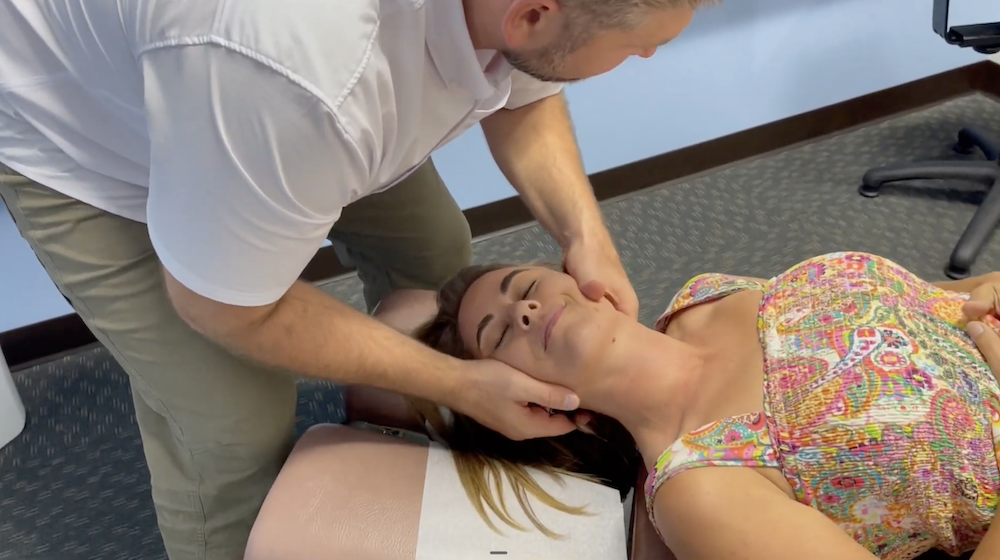
At Kirar Superior Healthcare, our doctors use specific chiropractic adjustments to correct misalignments in the cervical spine. These adjustments help restore normal motion to restricted joints, relieve nerve irritation, and reduce inflammation. When the spine is functioning properly, the nervous system can communicate more effectively with the rest of the body, which supports overall health and well-being.
In addition to adjustments, chiropractic care may include soft tissue therapies to release tight muscles and break up trigger points. Techniques such as myofascial release, instrument-assisted soft tissue mobilization, or therapeutic stretching can all play a role in reducing muscle tension that contributes to headaches.
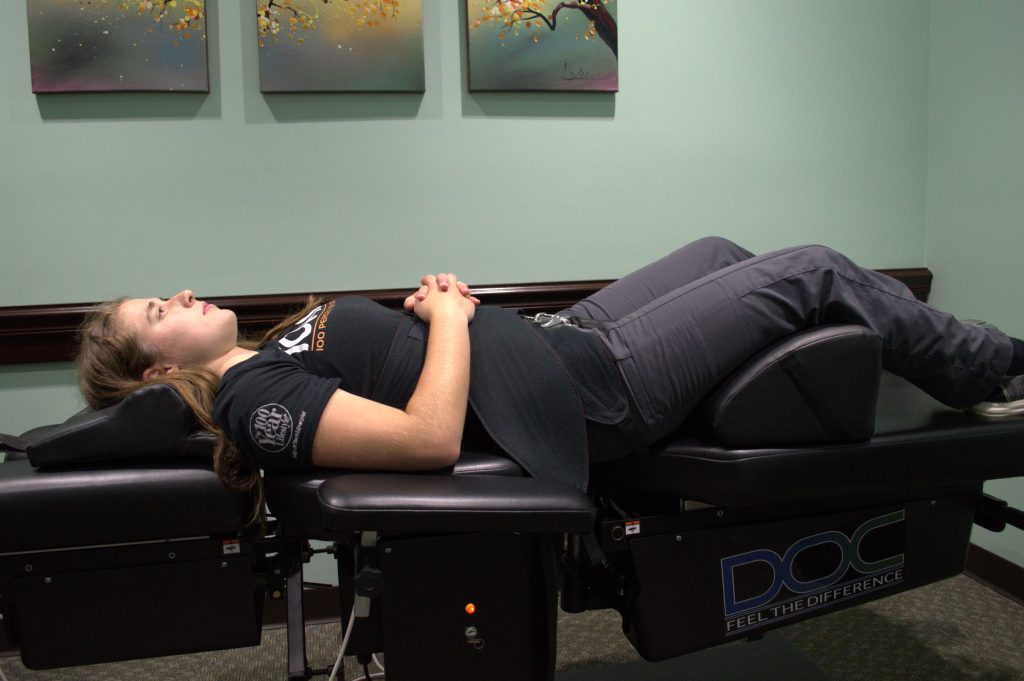
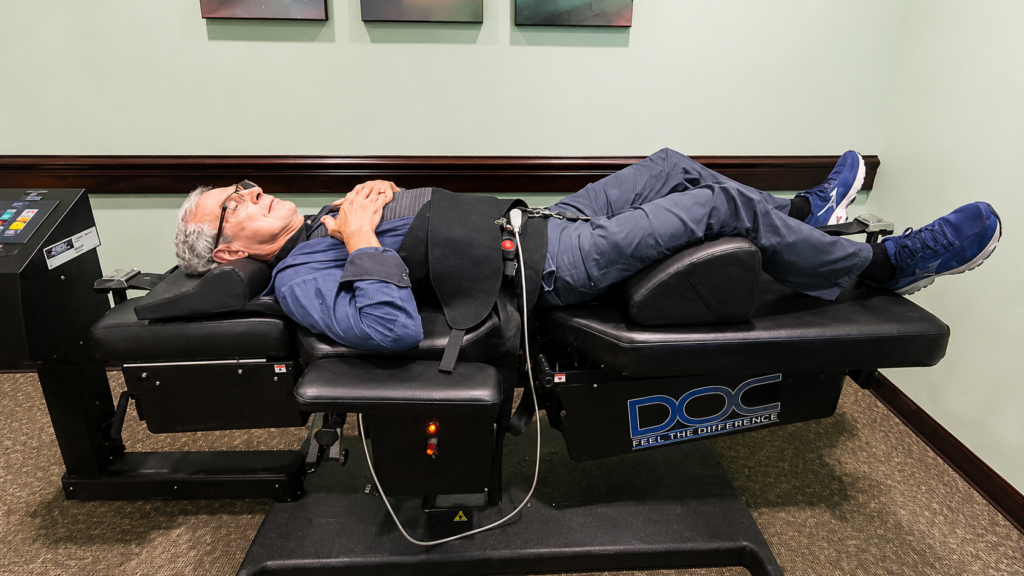
For patients dealing with chronic neck pain and headaches, spinal decompression therapy may also be beneficial. This gentle, non-surgical treatment helps relieve pressure on spinal discs and nerves, promoting healing and reducing pain. If you’re curious about how spinal decompression works and whether it might be right for your situation, your doctor here at Kirar Superior Healthcare can discuss this option with you during your consultation.
One of the core principles of chiropractic care is that your body has an incredible ability to heal itself when given the right support. By addressing the root cause of your headaches rather than just treating symptoms, chiropractic care helps you achieve lasting relief and supports your body’s natural healing processes. This aligns beautifully with the 100 Year Lifestyle approach—building a foundation of health that allows you to thrive at every stage of life.
Practical Tips for Reducing Neck-Related Headaches
While chiropractic care is highly effective for addressing the structural causes of cervicogenic headaches, there are also steps you can take at home to reduce your risk and manage symptoms.
Improve Your Posture: Be mindful of how you sit and stand throughout the day. Keep your computer screen at eye level, avoid slouching, and take frequent breaks to move and stretch. Your head should sit directly over your shoulders, not jutting forward.
Set Up an Ergonomic Workspace: Adjust your desk, chair, and monitor to support a neutral spine position. Your feet should be flat on the floor, your elbows at a ninety-degree angle, and your screen at eye level.
Stay Active: Regular movement and exercise strengthen the muscles that support your neck and spine. Activities like walking, swimming, yoga, and strength training can all help reduce tension and improve posture.
Stretch Your Neck and Shoulders: Gentle stretching throughout the day can help prevent muscle tightness. Focus on stretches that target the neck, upper back, and shoulders. Hold each stretch for twenty to thirty seconds and breathe deeply.
Pay Attention to Your Sleep Position: Sleeping on your stomach can strain your neck. Try sleeping on your back or side with a supportive pillow that keeps your neck in a neutral position. Avoid stacking multiple pillows under your head.
Manage Stress: Stress can lead to muscle tension and exacerbate headaches. Incorporate stress-reducing practices such as deep breathing, meditation, or spending time in nature.
Stay Hydrated: Dehydration can contribute to headaches. Drink plenty of water throughout the day, especially if you’re active or spending time in hot weather.
These simple lifestyle adjustments can make a significant difference over time. Combined with regular chiropractic care, they help create a comprehensive strategy for managing and preventing headaches.
When to See a Chiropractor for Your Headaches
Not every headache requires professional care, but if your headaches are frequent, severe, or affecting your quality of life, it’s time to seek help. Here are some signs that chiropractic care may be right for you:
You experience headaches more than once or twice a week, or they’ve become more frequent over time. Your headaches are accompanied by neck pain, stiffness, or reduced range of motion. Over-the-counter pain relievers provide only temporary relief or have stopped working altogether. Your headaches interfere with work, sleep, or daily activities. You’ve noticed that certain neck movements or positions trigger your headaches.
It’s also important to recognize red flags that may indicate a more serious condition requiring medical evaluation. Seek immediate medical attention if you experience a sudden, severe headache unlike anything you’ve felt before, headache accompanied by fever, confusion, vision changes, or difficulty speaking, or headache following a head injury or trauma.
Our doctors will conduct a thorough examination to determine the cause of your headaches and whether chiropractic care is appropriate. If your condition requires co-management with another healthcare provider, he will coordinate care to ensure you receive the best possible outcome.
Headache Types: Key Differences
| Headache Type | Primary Location | Common Triggers | Associated Symptoms |
|---|---|---|---|
| Cervicogenic | Base of skull radiating forward | Neck movement, poor posture, prolonged sitting | Neck stiffness, reduced range of motion, tenderness at skull base |
| Tension Headache | Band-like pressure around head | Stress, muscle tension, fatigue | Mild to moderate pain, tightness in neck and shoulders |
| Migraine | One or both sides of head | Hormones, foods, weather changes, stress | Throbbing pain, nausea, light and sound sensitivity, visual disturbances |
| Cluster Headache | Around one eye | Alcohol, smoking, changes in sleep | Severe pain, watery eye, nasal congestion on affected side |
Myths vs. Facts About Neck-Related Headaches
Myth: All Headaches Are the Same and Should Be Treated the Same Way
Fact: Headaches have different underlying causes, and treatment should be tailored accordingly. Cervicogenic headaches stem from neck dysfunction, so addressing the neck through chiropractic care is key to resolving them. Taking a one-size-fits-all approach with medication may provide temporary relief but doesn’t address the root cause.
Myth: Chiropractic Adjustments Are Dangerous for the Neck
Fact: Chiropractic adjustments are safe and effective when performed by a licensed, trained professional like Dr. Vance Kirar and his team. Research supports the safety and efficacy of chiropractic care for neck pain and headaches. Serious complications are extremely rare, especially compared to the risks associated with long-term medication use or invasive procedures.
Myth: You Just Have to Live with Chronic Headaches
Fact: Many people suffering from chronic headaches have found relief through chiropractic care. When the underlying spinal dysfunction is corrected, headaches often reduce in frequency and intensity or disappear altogether. You don’t have to accept headaches as a permanent part of your life.
Myth: Headaches That Start in the Neck Are Rare
Fact: Cervicogenic headaches are more common than many people realize. Studies suggest that up to twenty percent of chronic headaches may be cervicogenic in origin. If you have neck pain along with your headaches, there’s a good chance the two are connected.
Myth: If Pain Medication Works, There’s No Need to See a Chiropractor
Fact: Pain medication may mask symptoms, but it doesn’t fix the underlying problem. Over time, relying on medication can lead to side effects, tolerance, and continued dysfunction. Chiropractic care addresses the root cause, offering a more sustainable, long-term solution.
Final Thoughts from Kirar Superior Healthcare
If you’ve been living with headaches that seem to come from nowhere, or if you’ve noticed a pattern of neck pain accompanying your head pain, it’s time to explore the connection between your cervical spine and your symptoms. Here in Goose Creek, SC, Dr. Vance Kirar and all of the doctors at Kirar Superior Healthcare are dedicated to helping you find lasting relief through personalized, evidence-based chiropractic care.
We believe in the power of the body to heal itself when given the right support. By addressing spinal misalignments, reducing muscle tension, and improving overall function, we help you not only feel better today but also build a foundation for lifelong health. This is what the 100 Year Lifestyle is all about—making choices today that allow you to live actively, vibrantly, and pain-free for years to come.
You don’t have to settle for a life interrupted by headaches. Whether your pain is occasional or chronic, understanding the connection between your neck and your head is the first step toward real, sustainable change. We invite you to schedule a consultation and discover how chiropractic care can make a difference in your life.
Frequently Asked Questions About Headaches That Start in the Neck
Can poor posture really cause headaches?
Yes, poor posture is one of the most common contributors to cervicogenic headaches. When your head is positioned forward, it places excessive strain on the muscles and joints of your neck, leading to dysfunction and referred pain into the head. Improving posture can significantly reduce headache frequency and severity.
How long does it take for chiropractic care to help with headaches?
The timeline varies depending on the severity and duration of your condition. Some patients experience relief after just a few visits, while others with chronic issues may need several weeks of care to see significant improvement. Your doctor here at Kirar Superior Healthcare will develop a personalized care plan and discuss realistic expectations during your consultation.
Are cervicogenic headaches the same as tension headaches?
No, they are different. Tension headaches are caused by muscle tension and stress, often creating a band-like pressure around the head. Cervicogenic headaches originate from structural dysfunction in the neck and typically radiate from the base of the skull forward. Both can involve muscle tension, but the root cause and treatment approach differ.
Can children get cervicogenic headaches?
Yes, children can develop cervicogenic headaches, especially if they have poor posture from prolonged screen time, heavy backpacks, or previous injuries. Chiropractic care is safe and gentle for children and can help address these issues early, preventing long-term problems.
Will I need X-rays or imaging before starting chiropractic care?
In many cases, a thorough physical examination is sufficient to diagnose cervicogenic headaches. However, we may recommend X-rays or other imaging if there is concern about underlying structural issues or prior trauma.
Can stress make my neck-related headaches worse?
Absolutely. Stress often leads to increased muscle tension in the neck and shoulders, which can exacerbate cervicogenic headaches. Managing stress through relaxation techniques, regular exercise, and chiropractic care can help reduce both the frequency and intensity of your headaches.
TL;DR: Key Takeaways
- Cervicogenic headaches originate from dysfunction in the neck, not the head itself, and often result from poor posture, misalignment, or muscle tension.
- Chiropractic care addresses the root cause by restoring proper alignment, improving joint function, and reducing nerve irritation.
- Simple lifestyle changes like improving posture, staying active, and managing stress can help prevent neck-related headaches.
- If your headaches are frequent, severe, or accompanied by neck pain, it’s time to see a chiropractor for evaluation and care.
- At Kirar Superior Healthcare in Goose Creek, SC, Dr. Vance Kirar and his team provide personalized, drug-free solutions to help you live pain-free and thrive for the long term.