
Enhancing your joint flexibility and movement is vital for your overall health and physical performance. As a chiropractor, I understand that simple habits can significantly improve how your body feels and functions. By embracing effective strategies, you can boost your mobility and lower your risk of injury, all while supporting your body’s natural healing processes. If you’re wondering about practical steps to achieve this, let’s dive into some helpful tips that can get you started on a path to optimal health.
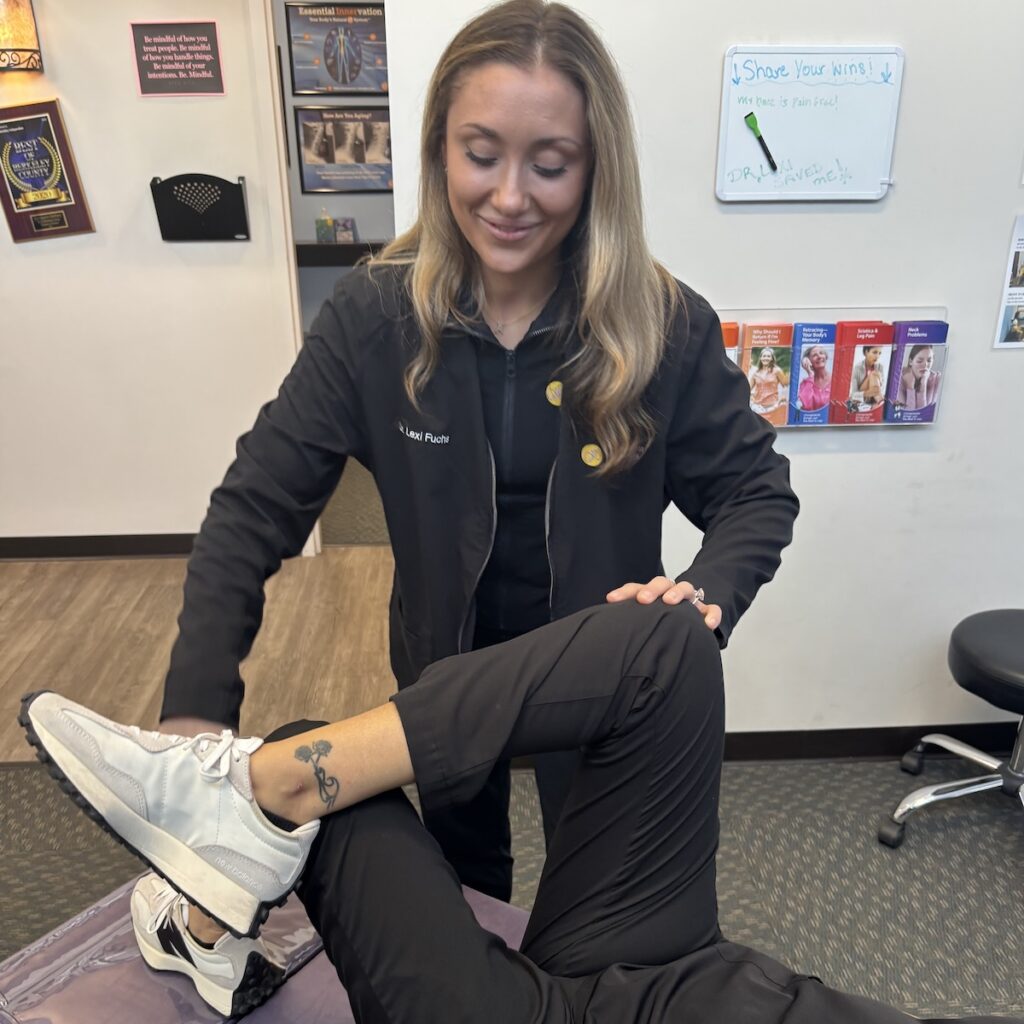
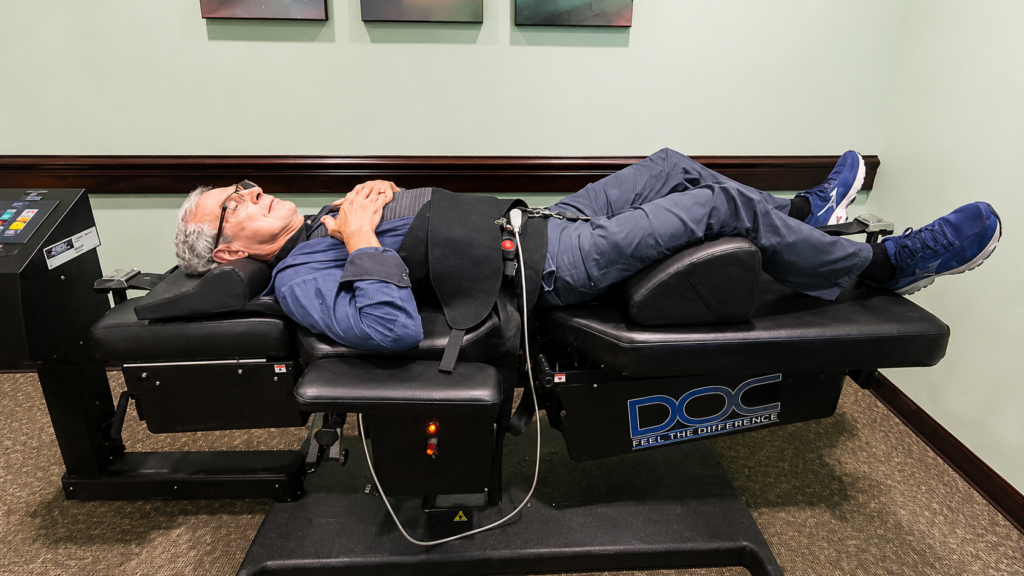
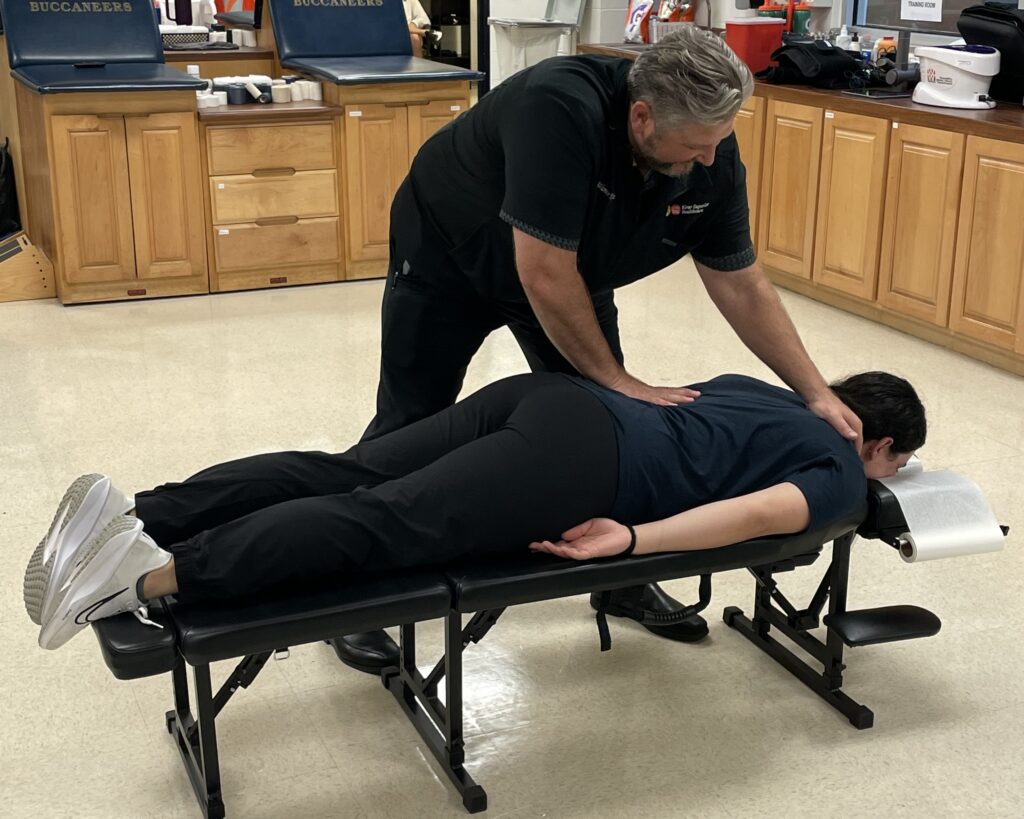
- Regular Chiropractic Adjustments: One of the most effective ways to improve joint flexibility is through regular chiropractic care. Adjustments help realign your spine and joints, enhancing their range of motion and reducing discomfort. This holistic approach promotes your body’s ability to heal naturally.
- Gentle Stretching: Incorporate gentle stretching into your daily routine. Focus on stretches that target major joints, like the hips, shoulders, and knees. Stretching helps maintain flexibility and prevents stiffness, making it easier for you to move freely.
- Stay Active: Engage in low-impact exercises, such as walking, swimming, or cycling. These activities keep your joints moving without putting excessive strain on them. Regular movement is key to maintaining joint health and flexibility.
- Mindful Posture: Pay attention to your posture throughout the day. Poor posture can lead to misalignments and restrict movement. Whether sitting at a desk or lifting objects, being mindful of your posture can help maintain proper alignment and reduce tension in your joints.
- Hydration and Nutrition: Stay hydrated and nourish your body with a balanced diet rich in vitamins and minerals. Foods high in omega-3 fatty acids, like fish, can help reduce inflammation, while staying hydrated keeps your joints lubricated.
- Incorporate Mobility Exercises: Spend a few minutes each day doing mobility exercises. Simple movements like hip circles, arm swings, and ankle rolls can greatly improve your joint flexibility and overall movement.
- Listen to Your Body: Lastly, always listen to your body. If you experience pain or discomfort, it’s essential to consult with a chiropractor. They can provide personalized care and guidance to help you achieve your health goals safely.
By integrating these tips into your lifestyle, you can enhance your joint flexibility and overall well-being. Remember, chiropractic care is a natural and effective way to support your body’s health, helping you move better and feel your best. If you’re ready to take the next step towards improved mobility, consider scheduling an appointment with a chiropractor today. Your body will thank you!
Key Takeaways
- Make it a habit to include regular stretching in your routine at least three times a week to boost your joint flexibility and enhance your overall wellness. Stretching is a natural way to keep your body moving freely and can complement your chiropractic care.
- Before engaging in physical activities, focus on dynamic stretches to warm up your muscles, and after your workouts, practice static stretches to aid in recovery. This two-step approach can help improve your mobility and is a great addition to your chiropractic treatment plan.
- Consider incorporating yoga or Pilates into your weekly routine. These practices can enhance your strength, stability, and flexibility, while also promoting better posture and alignment—key components of maintaining a healthy spine.
- Foam rolling can be a beneficial tool for releasing tension in tight muscles. This technique helps improve recovery and supports joint movement, making it an excellent complement to your chiropractic sessions.
- Always prioritize controlled movements and pay attention to how your body feels. This mindfulness can help you avoid injury and enhance your joint range of motion. Remember, chiropractic care focuses on your body’s natural ability to heal and function optimally, so take these tips to heart as part of your journey to better health.
Incorporate Regular Stretching Into Your Routine
Incorporating regular stretching into your daily routine is a fantastic way to enhance your joint flexibility and overall wellness. As a chiropractor, I can tell you that when you stretch consistently, you’re not just warming up your muscles; you’re also increasing the range of motion in your joints, which is essential for maintaining a healthy spine and preventing discomfort.
It’s important to focus on all major muscle groups, including your hips, shoulders, and back. Aim to stretch at least three times a week to see the best results. Before engaging in any physical activity, try dynamic stretches to prepare your body. After your workout, incorporate static stretches to help cool down and promote relaxation.
A simple stretching routine could include arm circles, toe touches, and gentle hip openers. Always listen to your body; if a stretch feels too intense, ease off. Stretching should feel good and help you feel more connected to your body.
As you incorporate stretching into your routine, you may notice that your movements become smoother and less restricted. Flexibility takes time, so be patient and consistent. By making stretching a regular part of your day, you’re not only contributing to your joint health but also supporting your overall mobility, which aligns perfectly with the principles of chiropractic care.
Stay Hydrated for Joint Health
Staying hydrated is crucial for keeping your joints healthy and flexible, and it plays an important role in overall wellness. Water serves as a natural lubricant for your joints, helping to cushion them and reduce the risk of stiffness and injury. When you’re well-hydrated, you’ll likely experience improved mobility and less discomfort during your daily activities, which is essential for maintaining a healthy spine and body.
As a chiropractor, I want to emphasize the importance of hydration in your journey towards optimal health. Here are some straightforward tips to ensure you’re drinking enough water throughout the day:
- Aim for at least eight 8-ounce glasses of water daily. This is a good baseline to start with, but you may need more depending on your activity level and the weather.
- Increase your intake during exercise or hot weather. Staying active is important for spinal health, and keeping hydrated will support your body’s performance.
- Incorporate water-rich foods like fruits and vegetables into your diet. Foods such as cucumbers, watermelon, and oranges not only hydrate you but also provide essential nutrients that support joint and overall health.
- Carry a reusable water bottle. This helps you track your water intake and serves as a reminder to drink throughout the day.
- Listen to your body. If you’re feeling thirsty, it’s a sign that you need to hydrate. Don’t ignore those signals!
Practice Yoga or Pilates
Engaging in regular yoga or Pilates can significantly enhance your joint flexibility and overall mobility, which is essential for maintaining a healthy spine. These mindful practices help you connect your breath with movement, allowing your body to relax and release tension. As a chiropractor, I encourage you to explore key poses that not only improve flexibility but also support spinal health.
Incorporating these exercises into your routine can lead to a more agile body and a calmer mind. Additionally, practicing yoga or Pilates can complement chiropractic care by promoting better posture and alignment. Remember, a healthy spine is the foundation of overall wellness.
Here are some simple tips to enhance your practice:
- Listen to Your Body: Pay attention to how your body feels during each pose. If something doesn’t feel right, ease out of it. This awareness can help prevent injuries and promote healing.
- Focus on Your Breath: Deep, mindful breathing can reduce stress and enhance your practice. It also encourages relaxation of the muscles around your spine.
- Stay Consistent: Aim for regular practice to see the best results. Just a few sessions a week can make a significant difference in your flexibility and overall wellbeing.
- Combine with Chiropractic Care: Pairing yoga or Pilates with regular chiropractic adjustments can help maintain spinal alignment and improve your overall mobility.
By prioritizing these practices, you’re not only investing in your physical health but also nurturing your mental and emotional well-being.
Benefits of Regular Practice
Regular practice of yoga or Pilates can significantly enhance your joint flexibility, and when combined with chiropractic care, you can unlock even greater benefits for your overall health and wellness. These practices not only improve your body’s mobility, but they also play a crucial role in supporting the benefits of chiropractic adjustments.
Here are some key advantages you’ll experience when you incorporate both yoga or Pilates and chiropractic care into your routine:
- Increased strength and stability: Strengthening your core and supporting muscles helps maintain proper spinal alignment, which is essential for preventing pain and injury.
- Better posture and alignment: Both yoga and Pilates encourage good posture, which complements the spinal adjustments from chiropractic care, leading to lasting improvements in alignment.
- Enhanced mental clarity and focus: A clear mind is vital for making healthy lifestyle choices. Regular practice can help you stay focused on your wellness journey, especially when paired with the holistic approach of chiropractic care.
- Reduced stress and anxiety levels: Stress can lead to muscle tension and misalignments. Incorporating relaxation techniques from yoga or Pilates with chiropractic care can help alleviate tension and promote a sense of calm.
- Improved balance and coordination: A well-aligned spine enhances your overall balance and coordination, reducing the risk of falls and injuries.
To maximize these benefits, consider scheduling regular chiropractic adjustments to keep your spine and nervous system functioning optimally. Remember, small changes in your daily routine—like setting aside a few minutes for stretching or practicing mindfulness—can lead to significant improvements in your health over time.
Emphasize consistency, listen to your body, and prioritize your well-being through natural, effective methods like chiropractic care.
Key Poses for Flexibility
While you may feel hesitant to dive into new poses, incorporating key yoga and Pilates movements into your routine can significantly enhance your flexibility and contribute to your overall wellness. As a chiropractor, I encourage you to consider how these practices can support your spinal health and natural healing.
Start with the Downward Dog pose. This movement not only stretches your hamstrings and calves but also strengthens your shoulders, which is vital for maintaining a healthy spine. Next, try the Cobra pose; it opens up your chest and promotes spine flexibility, helping to alleviate any tightness you may feel in your back.
Don’t overlook the Butterfly pose, which specifically targets your inner thighs and groin. This is particularly beneficial for hip flexibility, an essential aspect of maintaining good posture and spinal alignment. In Pilates, the Saw exercise is excellent for stretching your spine and hamstrings while also promoting core stability, which is crucial for supporting your back.
Finally, the Pigeon pose is wonderful for releasing tension in your hips, which can often contribute to back pain. By regularly practicing these poses, you’ll not only notice a significant improvement in your overall flexibility but also support your spinal health.
Incorporating Breathing Techniques
Incorporating breathing techniques into your yoga or Pilates practice can significantly enhance the benefits of your routine, but it’s important to remember that chiropractic care is a foundational element of achieving optimal health and wellness.
By ensuring a properly aligned spine, you can maximize your body’s natural ability to heal and function efficiently. Here are some tips on how to integrate breathing techniques while also considering the benefits of chiropractic care:
- Deep Breathing: Focus on deep, diaphragmatic breathing to maximize oxygen flow throughout your body. This not only calms your mind but also supports spinal health by promoting relaxation in surrounding muscles.
- Breath and Movement Coordination: Coordinate your breath with movement. Inhale during expansion and exhale during contraction. This practice can help reduce tension in your spine and improve overall flexibility.
- Deepening Stretches: Use your breath to deepen your stretches. Exhale fully to relax into poses, allowing for better spinal alignment and reducing discomfort.
- Mindfulness Practice: Tune into your breath to practice mindfulness. Staying present in your body can help you become more aware of any discomfort or misalignments, which are essential to discuss with your chiropractor.
- Explore Breathing Patterns: Experiment with different breathing techniques, such as Ujjayi or box breathing, to see what feels best for you. Remember, having a healthy spine can enhance your breathing capacity and overall well-being.
Incorporating these breathing techniques not only supports your fitness practice but also complements the benefits of chiropractic care.
Regular chiropractic adjustments can help ensure that your spine is aligned, allowing for better breathing and improved overall health. Always consult with your chiropractor about any specific concerns or to enhance your wellness journey.
Strengthen Supporting Muscles
Strengthening the muscles that support your joints is a key component in achieving enhanced flexibility and overall health. Strong supporting muscles play a crucial role in maintaining joint stability, reducing the risk of injury, and improving your range of motion. As a chiropractor, I often emphasize the importance of natural approaches to wellness, and incorporating strength exercises into your routine is one of the most effective ways to support your body.
Here are some simple yet powerful exercises to consider, which can be easily integrated into your weekly schedule:
| Exercise | Targeted Muscles | Benefits |
|---|---|---|
| Squats | Quads, Hamstrings | Builds strength in the lower body, supporting your spine and joints |
| Planks | Core, Shoulders | Enhances core stability, essential for good posture |
| Lunges | Glutes, Quads | Improves balance and flexibility, helping to alleviate joint stress |
| Deadlifts | Back, Hamstrings | Strengthens the posterior chain, crucial for spinal health |
| Shoulder Press | Shoulders, Triceps | Increases upper body strength, promoting better lifting mechanics |
Aim to include these exercises in your routine at least two to three times a week. Focus on maintaining proper form, and gradually increase your weights as your strength improves. This not only helps to build muscle but also supports your joints and spine, which is vital for overall movement quality and pain relief.
Use Foam Rolling Techniques
Foam rolling can be a fantastic addition to your wellness routine, especially when it comes to enhancing joint flexibility and aiding muscle recovery.
As a chiropractor, I believe in the power of natural healing methods, and foam rolling is a great way to complement your chiropractic care. By incorporating foam rolling into your self-care practices, you can release muscle tension and improve blood flow, allowing you to move more freely and comfortably.
Here are some simple tips to get the most out of your foam rolling sessions:
- Focus on sore muscles: Pay special attention to areas that feel tight or overworked. This targeted approach can help alleviate discomfort and promote healing.
- Roll slowly: Move the foam roller at a slow pace, spending extra time on knots or trigger points. This gentle technique can help break up muscle tension and improve flexibility.
- Breathe deeply: Remember to maintain a steady breath throughout your session. Deep breathing can help relax your muscles and enhance the benefits of foam rolling.
- Stay hydrated: After your foam rolling, drink plenty of water. Hydration helps to flush out toxins that may have been released during the rolling process and supports your overall recovery.
- Apply consistent pressure: Use enough pressure to feel some discomfort, but avoid any pain. The goal is to ease tension, not to create additional strain.
Incorporating foam rolling into your routine can be a wonderful way to support your body’s natural healing processes and enhance the benefits of chiropractic care.
Warm Up Before Physical Activity
Warming up before physical activity is crucial for preparing your body and minimizing the risk of injury. As a chiropractor, I want to emphasize that when you warm up, you enhance blood flow to your muscles, which not only improves flexibility but also boosts your overall performance. Start with light aerobic exercises, such as a gentle jog or some jumping jacks, for about 5 to 10 minutes. This will help elevate your heart rate and get your body ready for more intense movements.
Following your aerobic warm-up, it’s beneficial to incorporate dynamic stretches that mimic the activities you’ll be doing in your workout. Movements like leg swings, arm circles, and torso twists are excellent choices. These stretches help loosen your joints and activate your muscles, ensuring they’re primed for action.
Never skip this vital step! A proper warm-up helps prevent strains and sprains, which can lead to discomfort and limited mobility. Additionally, when your body is prepared, you’ll find that your overall workout experience is enhanced, allowing you to move more freely and efficiently.
Focus on Proper Posture and Alignment
After properly warming up, it’s vital to focus on your posture and alignment during any physical activity. Good posture isn’t just about looking confident; it plays a crucial role in enhancing your performance and minimizing the risk of injury. By maintaining proper alignment, you can support your spine and overall well-being, which is where chiropractic care can significantly help.
Here are some simple tips to keep in mind:
- Align Your Head with Your Spine: Ensure your head is stacked directly over your spine. Avoid leaning forward or slouching, which can strain your neck and back.
- Engage Your Core: Strengthening your core muscles helps support your lower back, reducing the chances of discomfort. Think of your core as the foundation for a strong posture.
- Distribute Your Weight Evenly: Whether you’re standing still or on the move, make sure your weight is evenly distributed across your feet. This helps maintain balance and reduces strain on your spine.
- Relax Your Shoulders: Keep your shoulders relaxed and down. Tension or hunching can lead to discomfort, so be mindful of this as you go about your activities.
- Breathe Steadily: Focus on maintaining steady breaths. Proper breathing not only helps you stay calm but also aids in maintaining good form during physical activities.
By incorporating these tips into your daily routine, you can foster better posture and alignment, which are essential for a healthy spine. Remember, chiropractic care can offer personalized guidance and support in achieving optimal health and wellness naturally.
If you’re experiencing discomfort or are interested in improving your posture, consider visiting a chiropractor for a thorough assessment. Your spine will thank you!
Conclusion
By integrating these simple tips into your daily routine, you can significantly enhance your joint flexibility and overall movement. Regular stretching is essential; it helps to maintain and improve your range of motion. Staying hydrated is equally important, as proper hydration supports joint lubrication. Consider adding gentle practices like yoga or Pilates to develop strength and balance, which can complement the benefits of chiropractic care.
Foam rolling is an excellent way to release tension in your muscles and improve blood flow, while warming up before any physical activity can prepare your joints for movement. Always pay attention to your posture; maintaining proper alignment helps prevent strain and promotes spinal health.
It’s crucial to listen to your body—if something doesn’t feel right, take a break and allow yourself to rest. Progressing gradually ensures that you don’t push your limits too quickly, which can lead to injury.
Remember, chiropractic care can play a pivotal role in helping you achieve optimal health and wellness. By focusing on spinal alignment and joint mobility, a chiropractor can help alleviate pain and enhance your overall quality of life. With these straightforward adjustments and the support of chiropractic care, you can enjoy greater mobility, reduce the risk of injury, and embrace a healthier lifestyle.