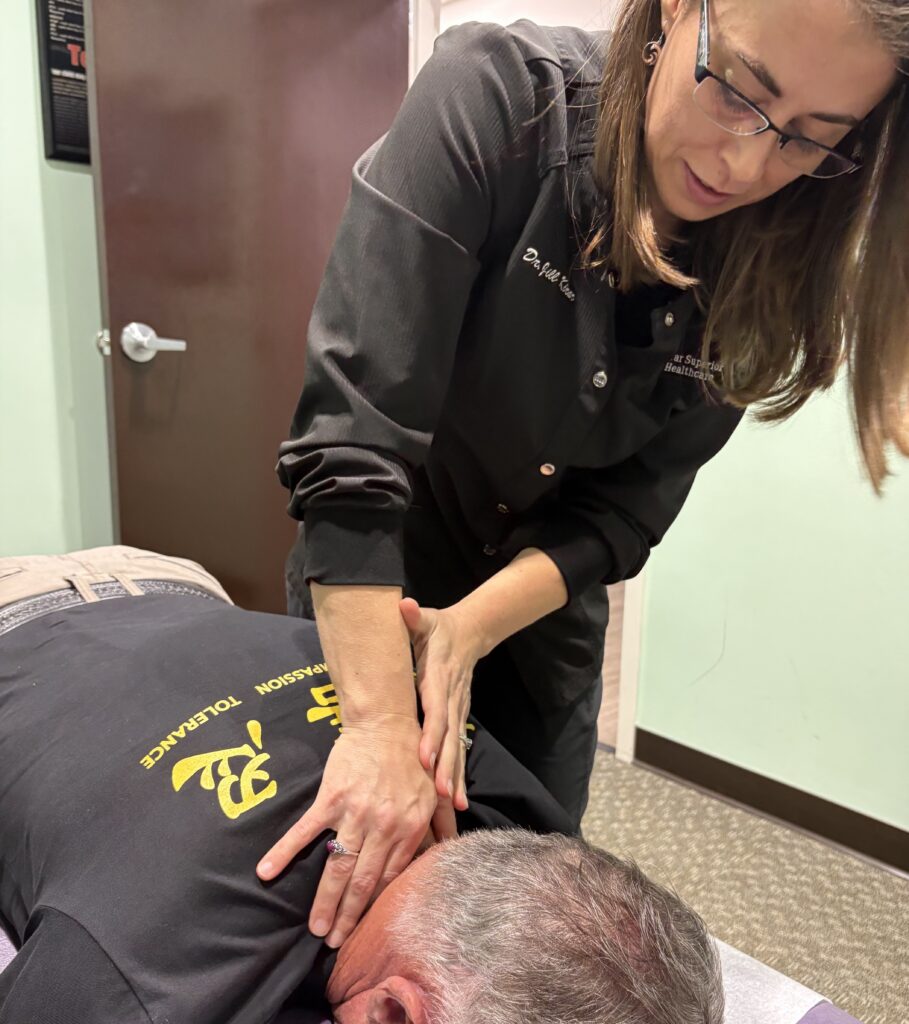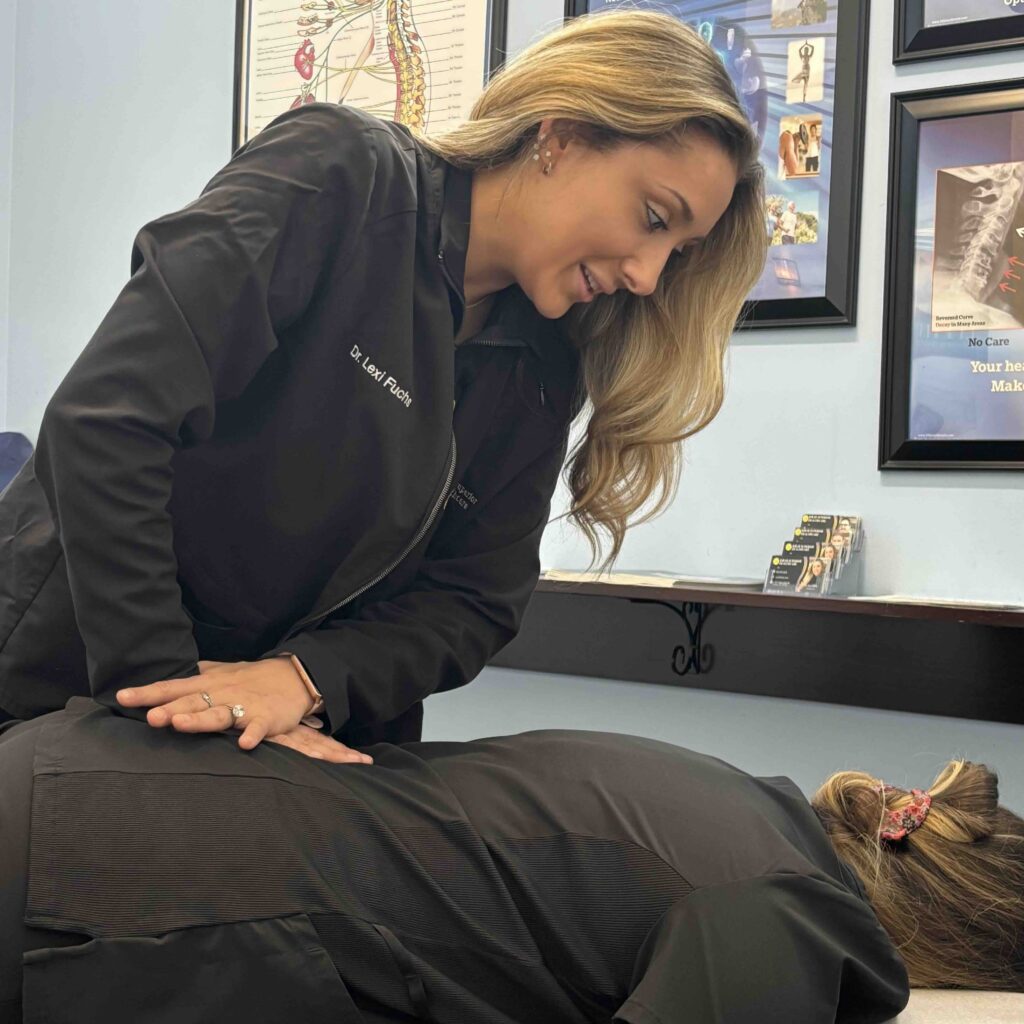

You’ve probably noticed how poor posture can lead to discomfort and fatigue. It’s more common than you think, and the good news is that with the right approach, you can make positive changes. As a chiropractor, I believe that by incorporating mindful movement, targeted strengthening, and restorative breathing, you can support spinal alignment and reduce pain effectively.
So, what specific steps can you take to transform your posture and enhance your overall health? Here are some practical solutions that you can easily integrate into your daily routine:
- Mindful Movement: Pay attention to how you move throughout the day. Simple adjustments, like standing up straight and being aware of your body alignment while sitting, can make a big difference. Try to take regular breaks to stretch and reset your posture, especially if you’re sitting for long periods.
- Strengthening Exercises: Focus on exercises that strengthen your core, back, and neck muscles. These muscles play a crucial role in maintaining good posture. Consider activities like planks, bridges, and back extensions. Incorporating these into your routine can help support your spine and reduce discomfort.
- Restorative Breathing: Breathing deeply and properly can help reduce tension in your body and encourage relaxation. Practice diaphragmatic breathing—inhale deeply through your nose, allowing your belly to expand, and exhale slowly through your mouth. This not only promotes relaxation but also helps in aligning your spine as you breathe.
- Chiropractic Care: Regular visits to a chiropractor can be incredibly beneficial for achieving optimal health and posture. Chiropractic adjustments help realign the spine, alleviate pain, and enhance your body’s natural healing processes. This natural approach can provide lasting relief and promote overall wellness.
- Ergonomics: Make sure your workspace is set up to support good posture. Your chair should support your lower back, and your computer screen should be at eye level. This will help prevent strain and encourage better posture throughout your workday.
By taking these steps, you can actively work towards improving your posture and overall well-being. Remember, chiropractic care is your ally in this journey, providing you with the support and guidance needed to achieve optimal health naturally. If you have any questions or need personalized advice, don’t hesitate to reach out to your local chiropractor. Together, we can work towards a healthier, pain-free life!
Key Takeaways
Transform Your Posture With Natural Care Solutions
As a local chiropractor, I want to share some effective ways to improve your posture and overall wellness through natural methods.
- Regular chiropractic adjustments are essential for aligning your spine, alleviating pain, and enhancing your posture for long-term health. By visiting your chiropractor regularly, you can maintain a balanced spine and experience relief from discomfort.
- Incorporating simple stretching routines and exercises, such as Pilates and yoga, can greatly improve your flexibility and strengthen the muscles that support good posture. These gentle movements can be easily integrated into your daily routine, helping you feel more aligned and relaxed.
- Practicing mindfulness can make a big difference in your posture. By staying aware of your body throughout the day, you can consciously adjust your posture and reduce strain. This awareness encourages proper alignment and helps you feel more comfortable.
- Setting up an ergonomic workspace is crucial for preventing slouching and maintaining spinal health during your daily activities. Make sure your computer screen is at eye level, and choose a chair that supports your lower back. These small adjustments can lead to significant improvements in your posture.
- Lastly, focus on breathing techniques that promote relaxation and reduce muscle tension. Being aware of your breath can naturally align your body and help you maintain better posture throughout the day.
By following these simple tips and integrating chiropractic care into your wellness routine, you can achieve optimal health and a more aligned posture naturally. Remember, taking care of your spine is key to feeling your best!
Understanding the Importance of Good Posture
Good posture isn’t just about looking good; it plays a vital role in your overall health and wellness.
When you maintain good posture, you support your spine, which helps reduce strain on your muscles and ligaments. This alignment is essential in preventing pain, particularly in your back, neck, and joints. Additionally, proper posture can improve your breathing and circulation, allowing your body to function optimally.
You may not realize it, but your posture can also impact your mood and energy levels. Standing or sitting upright can enhance your confidence and help combat feelings of fatigue. By being mindful of your posture throughout the day—whether you’re working at a desk or engaging in physical activities—you can develop healthier habits that lead to long-term wellness.
As a chiropractor, I encourage you to take a moment to check in with your body. Simple adjustments, like sitting tall or aligning your workstation, can lead to significant improvements in your health and daily performance.
Remember, chiropractic care is a natural and effective way to support your spine and overall well-being. Regular chiropractic adjustments can keep your spine aligned, help alleviate pain, and promote a healthier lifestyle.
Here are a few tips to help you maintain good posture:
- Align your workspace: Make sure your computer screen is at eye level and your chair supports your lower back.
- Take breaks: Stand up, stretch, and move around every 30 minutes to keep your muscles engaged.
- Practice mindfulness: Throughout the day, check in with your body to ensure you’re sitting or standing up straight.
- Strengthen your core: Incorporate exercises that strengthen your core muscles, as a strong core supports better posture.
Common Causes of Poor Posture
While many people recognize the importance of maintaining good posture, it’s essential to understand the common factors that contribute to poor posture. One significant cause is prolonged sitting, particularly in front of computers, which often leads to slouching. If you find yourself spending long hours at a desk, you might notice your shoulders rounding and your neck jutting forward. This can create discomfort and strain on your spine.
Another factor that can impact your posture is improper footwear. High heels or shoes that lack proper support can disrupt your alignment and lead to pain. Additionally, stress can play a role in how we carry ourselves; when tense, we tend to tighten our muscles, which can result in a hunched back.
Moreover, everyday habits, such as cradling your phone or leaning over your desk, can perpetuate poor posture. Recognizing these causes is the first step toward making positive changes.
To help improve your posture and overall well-being, consider these tips:
- Take Breaks: Stand up and stretch every hour to relieve tension and reset your posture.
- Strengthen Your Core: Engage in exercises that strengthen your core muscles, as a strong core supports an upright posture.
- Choose Supportive Footwear: Opt for shoes that provide adequate support to maintain your alignment.
- Practice Mindfulness: Be aware of your posture throughout the day, especially when using your phone or sitting at a desk.
Incorporating chiropractic care into your routine can be a powerful way to address posture issues. Chiropractors focus on aligning the spine and improving overall body function, which can relieve discomfort and enhance your quality of life. If you’re struggling with posture-related pain, consider visiting a chiropractor for personalized care and guidance on achieving optimal health.
Effective Stretches for Posture Improvement
Improving your posture isn’t just about looking good; it’s about feeling great and maintaining overall health. As a chiropractor, I believe that incorporating effective stretches into your daily routine is essential for achieving optimal posture and relieving tension. Focus on gentle upper and lower body stretches to target tight muscles, which can often contribute to poor posture and discomfort.
Establishing a daily stretching routine can help you gradually align your body in a more comfortable way. For instance, simple stretches like shoulder rolls and chest openers can release tension in the upper body, while gentle hamstring and hip flexor stretches can alleviate tightness in the lower body. Remember, the goal is to promote flexibility and ease of movement.
In addition to stretching, consider regular chiropractic care. A chiropractor can help assess your posture and provide tailored adjustments that support your body’s natural alignment. This holistic approach not only enhances your posture but also contributes to your overall wellness.
Here are a few tips to incorporate into your routine:
- Set a Stretching Schedule: Aim to stretch for at least 10 minutes a day, perhaps in the morning or after work.
- Listen to Your Body: Pay attention to areas that feel tight and focus on stretching those muscles gently.
- Combine Stretches with Deep Breathing: This enhances relaxation and helps release tension more effectively.
- Stay Active: Regular physical activity supports muscle balance and joint health, which is vital for good posture.
Upper Body Stretches
Upper body stretches are essential for maintaining optimal health and enhancing your overall well-being, particularly when it comes to improving posture and relieving tension in the spine.
As a chiropractor, I encourage you to incorporate these simple yet effective stretches into your daily routine to support your body’s natural alignment and promote healing.
Start with a classic shoulder roll to ease tension in your upper back. Whether you’re sitting or standing, lift your shoulders up towards your ears, then roll them back and down. Repeat this several times to help release tightness and improve mobility in your shoulders.
Next, try the chest opener stretch. Interlace your fingers behind your back, straighten your arms, and gently lift your hands away from your body while taking deep breaths. This stretch not only opens up the chest but also counteracts the slouching that can result from long hours of sitting.
Don’t overlook the importance of neck stretches. Gently tilt your head to one side, allowing the opposite side of your neck to stretch. Hold this position for a few deep breaths before switching sides. This simple movement can alleviate neck tension and contribute to a healthier spine.
Incorporating these stretches into your daily routine can help you feel more aligned and relaxed, making it easier for your body to function at its best.
Lower Body Stretches
Incorporating lower body stretches into your daily routine is not only essential for improving posture and overall body alignment but also plays a crucial role in supporting your spinal health. These stretches target your hips, hamstrings, and calves, helping to alleviate tension and promote flexibility, which can contribute to your overall wellness. As a chiropractor, I want to emphasize that maintaining flexibility can aid in preventing injuries and discomfort, making chiropractic care an effective way to achieve your health goals naturally.
Here are some effective stretches you can easily try at home:
| Stretch Name | Description |
|---|---|
| Hamstring Stretch | Sit with one leg extended and gently reach for your toes. This helps improve flexibility in your hamstrings, which can reduce strain on your lower back. |
| Quadriceps Stretch | Stand up straight and pull one foot towards your glutes. This stretch opens up the front of your thighs and helps maintain balance, which is crucial for spinal alignment. |
| Butterfly Stretch | Sit with the soles of your feet together and gently press your knees down. This motion helps to open your hips, promoting better posture and relieving tension in your lower body. |
| Calf Stretch | Lean against a wall and push one heel down while keeping the other leg slightly bent. This stretch helps keep your calves flexible, which can positively impact your walking and overall movement. |
| Lunge Stretch | Step forward into a lunge, feeling the hip open. This not only stretches your hip flexors but also encourages proper alignment of your spine during movement. |
Daily Stretching Routine
Incorporating a daily stretching routine is an excellent way to promote better posture and overall body alignment, which in turn supports your spinal health. As a chiropractor, I emphasize the importance of maintaining a healthy spine to achieve optimal wellness.
Start your day with gentle neck stretches by tilting your head side to side. This simple movement can help relieve tension in your neck and improve mobility. Next, perform shoulder rolls to alleviate tightness, which is common for those who spend long hours sitting.
To benefit your spine, try the cat-cow stretch. This involves alternating between arching your back and rounding it, which helps maintain flexibility in your spine. Incorporate chest openers to counteract the slumping posture that often results from prolonged sitting.
Don’t overlook your hips—lunges and hip flexor stretches are vital for maintaining proper alignment and reducing discomfort. To finish your routine, include a forward bend to gently stretch tight hamstrings, which can also contribute to lower back pain.
Aim for 10-15 minutes of stretching each day. Not only will you notice improvements in your posture and flexibility, but you’ll also support your overall well-being. Remember, consistency is key! By making this routine a part of your daily life, you can enhance your spinal health and reduce the risk of pain.
Chiropractic care is a natural and effective way to address pain and support your body’s ability to heal itself. Consider complementing your stretching routine with regular chiropractic adjustments to optimize your health and wellness.
Strengthening Exercises for a Stronger Back
Strengthening your back is crucial for maintaining good posture and preventing discomfort, and it’s a key component of overall wellness. As a chiropractor, I believe that incorporating targeted exercises into your routine can significantly enhance your spinal health and overall well-being.
Begin with bridges: while lying on your back, bend your knees and lift your hips towards the ceiling, making sure to squeeze your glutes. This exercise not only strengthens your lower back but also aids in improving your posture. Aim for three sets of 10-15 repetitions.
Next, consider supermans. Lie face down, extend your arms and legs, and lift both off the ground simultaneously. This movement engages your entire back and can help alleviate tension. Hold for a few seconds before lowering and repeat for three sets of 10 reps.
Incorporating rows with resistance bands can also be beneficial. Secure the band and pull it towards you, keeping your elbows close to your body. This exercise focuses on strengthening your upper back, which is essential for proper spinal alignment.
Additionally, plank holds are excellent for enhancing core stability, which directly supports your back health. Ensure your body remains in a straight line during this exercise to maximize effectiveness.
Remember, consistency is key! Make these exercises a regular part of your routine to strengthen your back and enhance your overall health. As you incorporate these activities, consider visiting a chiropractor for personalized guidance and support in your wellness journey.
Chiropractic care not only alleviates pain but also promotes natural healing and a healthier lifestyle, positioning it as an ideal choice for achieving optimal health.
The Role of Yoga in Enhancing Posture
When it comes to improving your posture, chiropractic care is a fantastic option to consider. Alongside chiropractic adjustments, yoga can serve as a powerful tool for enhancing spinal alignment and overall body balance. Certain yoga poses can help position your body correctly, while specific breathing techniques promote stability and relaxation.
By combining chiropractic adjustments with yoga practices, you can establish a strong foundation for better posture. Regular visits to your chiropractor can help realign your spine, while integrating yoga into your routine can strengthen the muscles that support your posture.
Here are some tips to enhance your posture and promote natural healing:
- Stay Active: Incorporate gentle stretches and yoga poses into your daily routine to keep your muscles flexible and strong.
- Mind Your Sitting Position: Ensure your workstation is ergonomically designed – your chair should support your lower back, and your computer screen should be at eye level.
- Breath Awareness: Practice deep breathing techniques from yoga to reduce tension and promote relaxation, which can positively impact your posture.
- Regular Chiropractic Visits: Schedule regular appointments with your chiropractor to maintain spinal health and address any misalignments.
Yoga Poses for Alignment
Yoga poses can significantly enhance your posture by promoting alignment and flexibility throughout the body, which is crucial for overall spinal health. Incorporating poses such as Mountain Pose, Downward Dog, and Cat-Cow into your routine can help you connect with your body’s natural alignment, supporting the spine’s health without the need for invasive treatments.
In Mountain Pose, for instance, you’ll stand tall with your feet grounded and your core engaged, encouraging a straight spine. This simple yet effective stance can help reinforce the body’s natural alignment, aligning your spine and reducing strain.
Downward Dog is another excellent pose that stretches your entire back and opens up your shoulders, countering the negative effects of slouching often seen in our daily lives. This pose not only alleviates tension but also promotes better spinal health.
The Cat-Cow sequence is particularly beneficial for mobilizing your spine, enhancing its flexibility, and encouraging proper alignment. This movement helps to alleviate stiffness and promotes a healthy range of motion. Regular practice of these poses can strengthen your back muscles, making it easier to maintain good posture throughout the day, which is essential for overall wellness.
Remember, consistency is key! Make these poses a part of your daily routine for lasting benefits. Additionally, consider pairing your yoga practice with regular chiropractic care. A chiropractor can help ensure your spine is aligned and functioning optimally, enhancing the benefits of your yoga routine.
Breathing Techniques for Stability
Breathing techniques are essential for enhancing stability and supporting good posture, especially during activities like yoga. By focusing on your breath, you can improve your body alignment and balance, which are crucial for overall spinal health. Here are some effective techniques you can incorporate into your daily routine to promote wellness and stability:
- Diaphragmatic Breathing: This technique engages your diaphragm, allowing for deeper breaths that improve oxygen flow. By practicing this, you can reduce tension in your body and support optimal spinal alignment.
- Ujjayi Breath: Known for its gentle sound, Ujjayi breath helps you maintain focus and rhythm. It encourages mindfulness, which can enhance your body awareness and prevent strain on your spine during various activities.
- Nadi Shodhana (Alternate Nostril Breathing): This technique balances energy in your body, promoting a calm mind and stable posture. A calm mind can lead to better decision-making about your health and wellness, including recognizing the importance of chiropractic care for maintaining spinal health.
- Box Breathing: Involves inhaling, holding, exhaling, and holding again. This method enhances concentration and control, making it easier to stay mindful of your posture throughout your day-to-day activities.
Incorporating these breathing techniques into your routine can significantly improve your overall health and well-being.
Incorporating Pilates Into Your Routine
Incorporating Pilates into your routine can significantly enhance your posture and overall well-being, but it’s essential to remember that chiropractic care is the foundation for achieving optimal health. While Pilates focuses on core strength, flexibility, and alignment—key components for maintaining good posture—chiropractic care addresses the underlying issues that affect your spine and nervous system.
By working with a chiropractor, you can ensure that your spine is properly aligned, which will complement your Pilates practice and help you achieve lasting results. Regular chiropractic adjustments can enhance your body’s ability to respond to Pilates exercises, improving your core strength and muscle balance while alleviating discomfort caused by poor posture.
To get started with Pilates, consider beginner classes or online tutorials to master the fundamentals. Aim for at least two to three sessions a week, and gradually increase the intensity as you become more comfortable. Focus on exercises that strengthen your core, back, and pelvic muscles—these are crucial for supporting your spine.
Additionally, here are some general tips to enhance your experience:
- Stay Consistent: Regular practice of both Pilates and chiropractic care can lead to better long-term results.
- Listen to Your Body: Pay attention to how your body responds to exercises. If you experience pain, consult your chiropractor to address potential issues.
- Combine Practices: Integrate your Pilates sessions with chiropractic adjustments for a comprehensive approach to health and wellness.
- Maintain Awareness: Developing body awareness through Pilates can help you recognize and correct your posture outside of your practice.
Mindfulness Practices for Postural Awareness
Maintaining good posture throughout your day can feel like a tall order, but incorporating mindfulness practices can significantly enhance your postural awareness.
By tuning into your body and being present, you can cultivate habits that promote better spinal alignment, ultimately supporting your overall health. Here are some effective mindfulness techniques to help you improve your posture and well-being:
- Body Scanning: Take a few moments to mentally scan your body. Notice any areas of tension or discomfort, as these can often indicate misalignments in your spine. Recognizing these signals can guide you in seeking chiropractic care to alleviate pain and restore balance.
- Breath Awareness: Pay attention to your breath. Deep, intentional breathing not only calms your mind but also helps release tension in your muscles. This can lead to better posture as your body relaxes and aligns naturally.
- Mindful Movement: When you move, do so slowly and deliberately. Notice how your body aligns as you walk or stretch. Being mindful of your movements can help reinforce proper posture and reduce the risk of injury.
- Posture Check-Ins: Set reminders throughout your day to check in with your posture. Adjust as needed to ensure your spine is aligned. Regularly focusing on your posture can reinforce healthy habits and make it easier to maintain alignment over time.
Remember, chiropractic care is a powerful ally in your journey toward optimal health. Regular chiropractic adjustments can help correct misalignments, reduce pain, and improve your posture.
Tips for Maintaining Good Posture Throughout the Day
Maintaining good posture is essential for your overall health and wellness, and it requires conscious effort throughout your day. As a chiropractor, I want to emphasize the importance of being mindful of your body position whether you’re sitting or standing. Make sure your shoulders are relaxed and your back is straight. If you spend time at a desk, adjust your chair and monitor height so your feet can rest flat on the ground and your elbows are at a right angle. This not only promotes good posture but also supports spinal health.
Remember to take regular breaks to stretch or walk around, especially during long hours of work. I recommend setting reminders on your phone to check in on your posture every hour. When using your phone, hold it at eye level to prevent bending your neck down, which can lead to discomfort over time.
Strengthening your core muscles is also crucial for maintaining proper alignment. Simple exercises like planks or yoga can help. A strong core provides support for your spine, making it easier to maintain good posture throughout the day.
Incorporating these tips into your daily routine can significantly improve your posture and reduce discomfort. Chiropractic care is an excellent way to achieve optimal health and wellness, as it focuses on natural healing and pain relief. By making small adjustments and considering chiropractic support, you can create lasting changes for a healthier, pain-free life. Remember, your posture matters, and taking steps to improve it can lead to better health overall!
Conclusion
By embracing chiropractic care and these natural solutions, you can significantly improve your posture and enhance your overall well-being. As a chiropractor, I recommend incorporating mindful movement, targeted strengthening exercises, and restorative breathing into your daily routine. It’s important to regularly check in with your body, adjust your workstation to support proper alignment, and take short breaks to stretch and move.
Chiropractic adjustments can help align your spine and improve your posture, leading to reduced pain and greater comfort in your daily life. With consistent practice and awareness, you’ll not only achieve better spinal alignment but also experience a decrease in discomfort and an overall boost in how you feel each day.
Start today by visiting your local chiropractor, who can guide you on the path to optimal health. Experience the benefits of a healthier posture and a pain-free life, naturally! Remember, chiropractic care is a holistic approach that focuses on your body’s ability to heal itself, ensuring you live your best life.