
Improving your flexibility and mobility can have a profound effect on your daily life and overall wellness. You might be surprised at how simple changes to your daily routine can enhance your joint range and muscle length, allowing you to move more freely and comfortably. As a chiropractor, I believe that understanding the right techniques can help you achieve optimal health without the need for medications or invasive procedures.
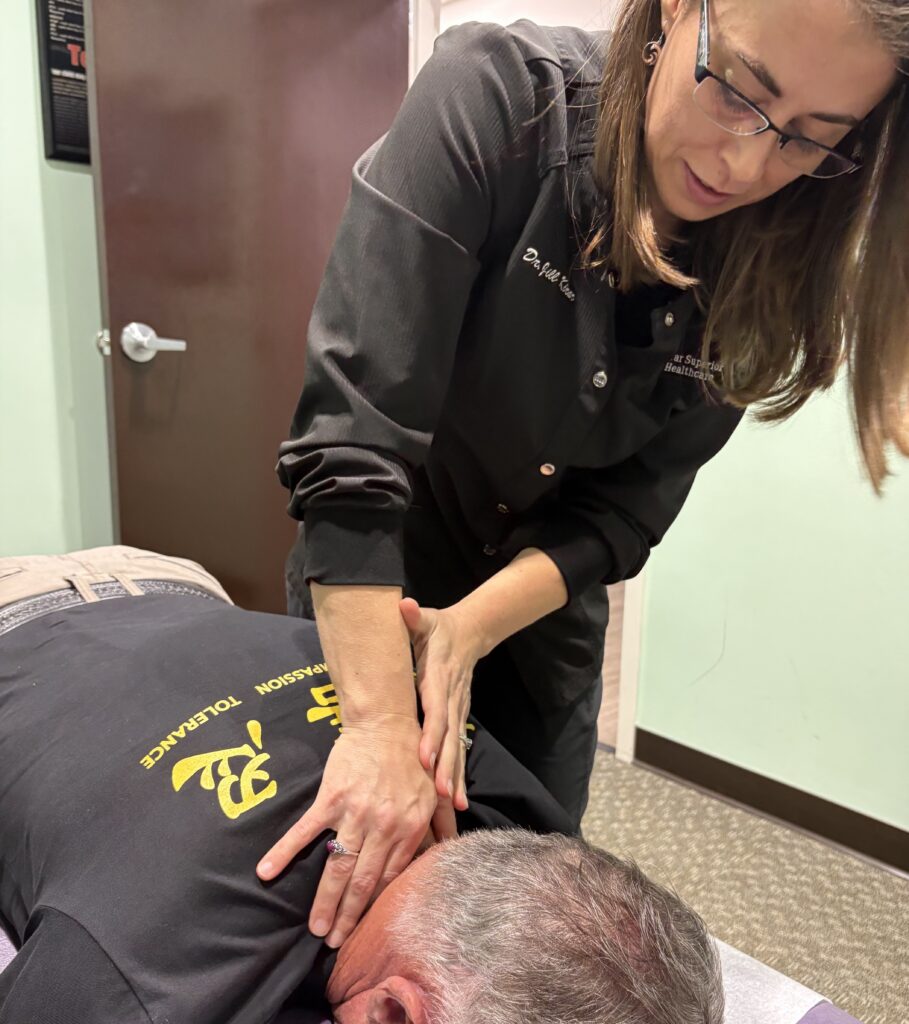
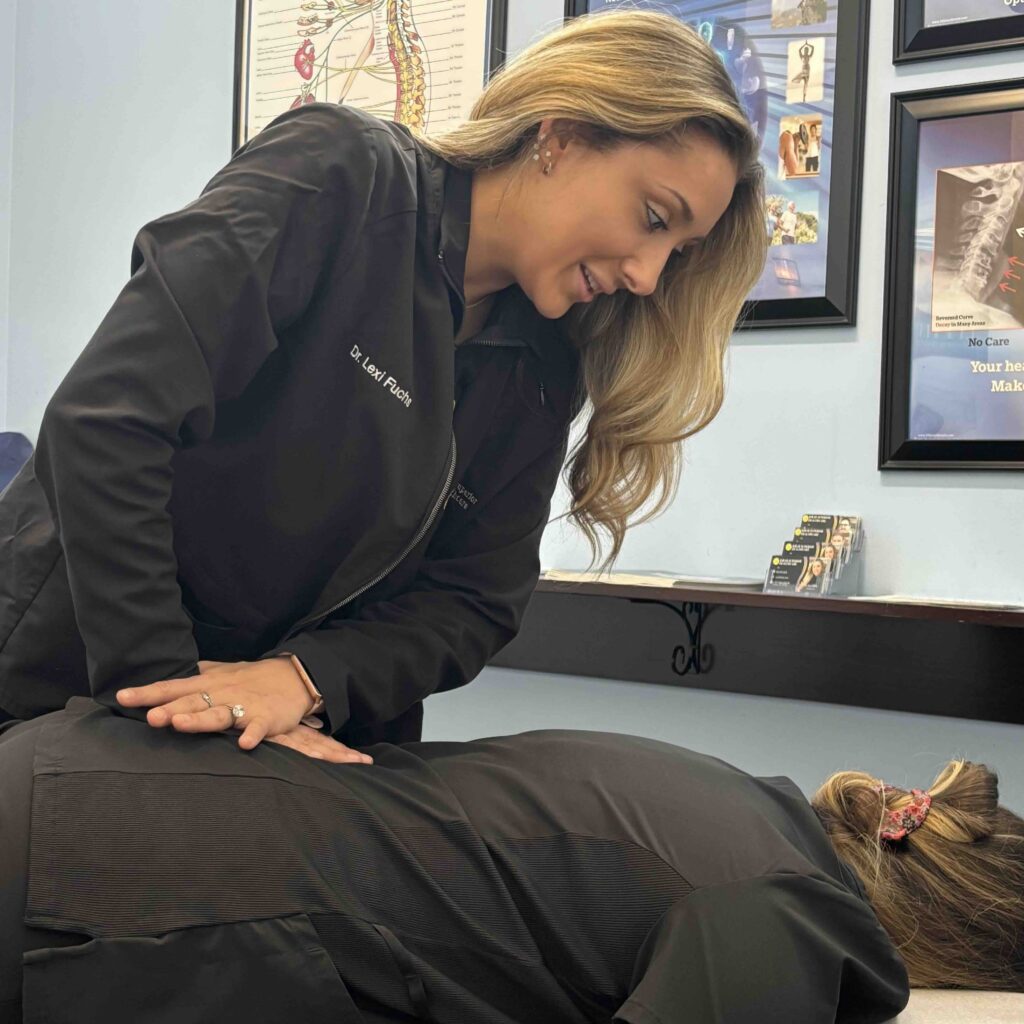
To kick off your journey toward better flexibility and mobility, it’s important to know that chiropractic care plays a crucial role in maintaining a healthy spine and nervous system, which are vital for overall movement and wellness. Regular chiropractic adjustments can help realign your spine, reduce tension, and improve your body’s range of motion.
Here are some essential strategies to consider:
- Stretching: Incorporating regular stretching into your routine can help lengthen muscles and improve flexibility. Focus on gentle stretches that target key areas such as the back, hips, and shoulders. Always listen to your body and avoid pushing yourself too far.
- Chiropractic Adjustments: Regular visits to your chiropractor can enhance your mobility and flexibility. Adjustments help ensure that your spine is aligned, which can relieve tension in your muscles and joints, making movement easier and more fluid.
- Posture Awareness: Maintaining good posture is crucial for flexibility and mobility. Pay attention to how you sit, stand, and move throughout the day. Proper alignment can prevent stiffness and promote better overall movement.
- Stay Active: Regular physical activity, such as walking, swimming, or yoga, can significantly improve your flexibility and mobility. These activities promote blood flow, strengthen muscles, and enhance joint function—supporting your body’s natural ability to move.
- Mind-Body Connection: Practices like yoga and tai chi not only improve flexibility but also foster a deeper connection between your mind and body. These techniques can help you become more aware of how you move, which can lead to better control and less strain on your body.
- Hydration and Nutrition: Proper hydration and nutrition are key to muscle health. Drinking plenty of water and consuming a balanced diet rich in vitamins and minerals can support your body’s natural healing processes and keep your muscles functioning optimally.
By incorporating these strategies and prioritizing chiropractic care, you can take significant steps toward improving your flexibility and mobility, enhancing your quality of life. Remember, small adjustments can lead to big changes, so start today on the path to better health and wellness!
Key Takeaways
- Begin each workout with dynamic stretches to get your blood flowing and prepare your joints for movement, enhancing your performance and reducing the risk of injury.
- After your workout, take the time for static stretches. These will help relax your muscles and promote recovery, ensuring you feel your best.
- Incorporate gentle daily stretches targeting areas that tend to get tight, such as your back, legs, and hips. This can significantly improve your flexibility and prevent discomfort.
- Consider adding mobility exercises like yoga or Pilates into your routine. These practices not only enhance flexibility but also build strength and improve balance, contributing to your overall wellness.
- Regular chiropractic visits are essential in maintaining proper spinal alignment. This not only helps with flexibility and mobility but also supports your body’s natural healing process and enhances your overall health. Embracing chiropractic care can be a powerful step towards a pain-free life and optimal wellness.
By following these tips and incorporating chiropractic care into your health routine, you can achieve better flexibility, enhanced mobility, and a greater sense of well-being. Remember, your spine is the foundation of your health—take care of it!
Understanding Flexibility and Mobility
When it comes to flexibility and mobility, it’s important to understand that while they might seem similar, they play different roles in your body’s overall function. Flexibility is all about how well your muscles and tendons can stretch and lengthen. This flexibility allows for a greater range of motion, which is crucial for activities like bending, reaching, and twisting in your daily life.
Mobility, on the other hand, refers to the ability of your joints to move freely and smoothly through their full range of motion. Imagine this: even if your muscles are flexible, if your joints aren’t mobile, you won’t be able to move efficiently or comfortably. This is where chiropractic care can make a big difference. Our focus is on ensuring that your spine and joints are aligned and functioning optimally, which can greatly enhance both your flexibility and mobility.
Both flexibility and mobility are vital for overall physical performance and for preventing injuries. By improving these aspects, you can enhance your athletic abilities and make everyday movements easier and more efficient. Simple practices like gentle stretching, regular chiropractic adjustments, and mindful movement can contribute to your flexibility and mobility.
Incorporating chiropractic care into your wellness routine can help you achieve optimal health. By addressing any misalignments in your spine and joints, you can improve your body’s ability to move freely, feel better, and stay active. Remember, when your body is working well, you can enjoy life to the fullest! So, consider chiropractic care as a natural and effective way to support your journey towards better health and wellness.
The Importance of Flexibility in Daily Life
Flexibility is essential for maintaining a healthy and active lifestyle, and it plays a significant role in how we perform daily tasks and physical activities. When your body is flexible, you can bend, twist, and reach with greater ease, making simple tasks like picking up objects or tying your shoes much more manageable. This enhanced range of motion not only boosts your overall performance but also helps reduce the risk of injuries that can disrupt your daily routine.
As a chiropractor, I can tell you that flexibility is closely linked to good posture. Improved flexibility alleviates tension in your muscles and reduces discomfort, particularly for those of you who spend long hours sitting. By incorporating flexibility into your daily routine, you may find that you recover faster from physical activity, enabling you to stay active and engaged in the activities you love.
Moreover, flexibility is a key component of enhanced athletic performance. Whether you’re running, dancing, or playing sports, being flexible can make a significant difference in how your body moves. By prioritizing flexibility, you’re making a valuable investment in your overall health and well-being.
Here are some simple tips to help you improve your flexibility and support your spinal health:
- Incorporate Stretching into Your Routine: Spend a few minutes each day doing gentle stretches. Focus on areas that feel tight, like your back, legs, and hips.
- Practice Yoga or Pilates: These practices are fantastic for enhancing flexibility while also promoting strength and balance. They can greatly benefit your spinal health.
- Warm Up Before Exercising: Always warm up with dynamic stretches before engaging in physical activities. This prepares your muscles and joints for movement, reducing the risk of injury.
- Stay Hydrated: Drinking plenty of water helps maintain the elasticity of your muscles, making it easier to stay flexible.
- Visit Your Chiropractor: Regular chiropractic adjustments can help improve your spinal alignment, which in turn can enhance your overall flexibility and range of motion.
Types of Stretching Techniques
Exploring different types of stretching techniques can significantly enhance your flexibility and overall mobility, which are essential components of a healthy lifestyle. Each technique has its own unique benefits, and incorporating them into your routine can support your wellness journey and complement chiropractic care.
Static stretching is a great place to start. This technique involves holding a stretch for a set period, which helps your muscles relax and lengthen. It’s particularly beneficial for improving overall flexibility after your workouts or even after a long day of sitting. Incorporating static stretches into your post-exercise routine can help relieve tension and promote recovery.
Dynamic stretching is another effective technique. Unlike static stretching, dynamic stretching consists of controlled movements that get your muscles ready for activity. These movements increase blood flow and enhance your range of motion, which can be incredibly beneficial before engaging in physical activity. Think of dynamic stretches as a warm-up that supports your body’s natural flexibility.
You might also want to try proprioceptive neuromuscular facilitation (PNF) stretching. This advanced technique combines stretching with gentle contractions of the targeted muscle group. It promotes greater flexibility gains and can be particularly useful for those looking to improve their mobility. If you’re unsure how to perform PNF stretches safely, consider consulting with your chiropractor for guidance.
Lastly, there’s ballistic stretching, which uses momentum to push your body beyond its normal range of motion. While this technique can be effective, it requires caution to avoid injury. It’s essential to approach this method carefully and ideally under the supervision of a qualified professional.
Dynamic vs. Static Stretching
When it comes to stretching, it’s important to understand the difference between two main types: dynamic and static stretching. Each method offers unique benefits and can be particularly helpful in different situations, especially when it comes to maintaining a healthy spine and overall wellness.
Dynamic stretching involves gentle movements that increase your heart rate and warm up your muscles. This type of stretching is ideal before activities or workouts, as it prepares your body for physical exertion. Examples include leg swings, arm circles, and torso twists. Incorporating dynamic stretches into your warm-up routine can enhance your flexibility and range of motion, which may help prevent injury and improve spinal health.
On the other hand, static stretching involves holding a position for a set period, usually 15 to 60 seconds. This method is best used for cooling down after physical activity, as it helps to relax the muscles and improve flexibility over time. Examples include hamstring stretches, quadriceps stretches, and shoulder stretches. Static stretching can be a great way to promote relaxation and decrease muscle tension, which is essential for maintaining a healthy spine.
As a local chiropractor, I recommend incorporating both dynamic and static stretching into your routine to support spinal health and overall wellness. Here are a few tips to help you get started:
- Warm-Up First: Always begin with dynamic stretches before engaging in any physical activity. This primes your body and helps prevent injuries.
- Cool Down with Care: After your workout, take time to do static stretches. This won’t only help your muscles recover but also support your spinal alignment.
- Listen to Your Body: Pay attention to how your body feels during stretching. It’s essential to avoid pushing into pain, as this can lead to injury.
- Stay Consistent: Regular stretching can enhance your flexibility and support spinal health. Aim to incorporate both types of stretching into your routine several times a week.
- Consider Chiropractic Care: For optimal health and pain relief, regular chiropractic adjustments can complement your stretching routine. Chiropractic care helps maintain proper alignment and can enhance your overall physical performance.
Stretching Techniques Overview
In the realm of physical fitness and overall wellness, understanding the distinction between dynamic and static stretching is crucial for promoting flexibility, mobility, and a healthy spine.
Each technique serves a unique purpose, and knowing when to use them can greatly enhance your fitness routine and overall wellbeing.
Here’s a straightforward overview:
- Dynamic Stretching: These are movement-based stretches that effectively prepare your muscles and spine for activity. Think of it as a warm-up that gets your body ready for physical exertion, reducing the risk of injury.
- Static Stretching: This technique involves holding a stretch position for a set duration. It’s particularly beneficial after your workout as it aids in muscle recovery and promotes relaxation, helping to alleviate tension in your back and improve overall spinal health.
- Timing: Use dynamic stretches before your workouts to get your body moving and energized. After you finish exercising, static stretches can help cool down your muscles and maintain flexibility.
- Purpose: Dynamic stretches increase your range of motion, making it easier to perform daily activities and exercise. On the other hand, static stretches are great for relaxing your muscles and enhancing overall wellbeing, which is vital for maintaining a healthy spine.
Incorporating both dynamic and static stretching techniques into your routine not only improves your performance but also helps reduce the risk of injury.
Remember, a healthy spine is key to optimal health, and chiropractic care can support you in achieving this.
Regular chiropractic adjustments can enhance your flexibility and mobility, further benefiting your stretching routine and overall wellness.
Benefits of Each Method
While both dynamic and static stretching have their own unique benefits, it’s essential to recognize how each can enhance your overall wellness and fitness routine, especially when considering chiropractic care as a key player in achieving optimal health. Dynamic stretching is excellent for warming up your muscles and increasing blood flow, making it a fantastic choice before any physical activity. It helps improve your range of motion and prepares your body for movement, which can significantly lower the risk of injuries.
On the flip side, static stretching is all about lengthening your muscles and enhancing flexibility. This method is best utilized after your workouts when your muscles are already warm. It promotes recovery, alleviates soreness, and can complement the spinal adjustments you receive through chiropractic care by keeping your muscles supple and aligned.
Incorporating both dynamic and static stretching into your routine allows you to reap the benefits of improved performance, flexibility, and mobility—all of which are vital for a healthy lifestyle. Remember, balance is key! For optimal results, consider including regular chiropractic visits to support your body’s natural healing processes. This holistic approach not only helps with pain relief but also enhances your overall wellness, helping you feel your best every day. Always listen to your body, and if you have any concerns or need personalized advice, don’t hesitate to reach out to your chiropractor for guidance.
Best Practices for Stretching
To optimize your stretching routine and enhance your overall health, it’s important to understand the best practices for both dynamic and static stretching. Incorporating these techniques can be beneficial not just for flexibility, but also for supporting your spine and overall wellness. Here’s how to effectively integrate each method into your routine:
- Dynamic Stretching: Begin your workouts with dynamic stretches to warm up your muscles and prepare your body for movement. Engage in 5-10 minutes of gentle, movement-based stretches like leg swings and arm circles. This helps increase blood flow and can contribute to better spinal health.
- Static Stretching: Reserve static stretching for after your workout. Hold each stretch for 15-30 seconds while focusing on your breathing. This practice not only aids in recovery but also promotes relaxation, which is essential for maintaining a healthy spine.
- Listen to Your Body: It’s crucial to pay attention to how your body feels during stretching. Avoid pushing through any pain; aim to stretch only to the point of mild discomfort. This approach helps prevent injuries and supports natural healing.
- Stay Consistent: Incorporate stretching into your regular routine, ideally 3-5 times a week. Consistency is key for improving flexibility and mobility, which can enhance your overall physical health and support your spine.
Incorporating Mobility Exercises Into Your Routine
To enhance your flexibility and mobility, daily stretching practices are essential. These exercises not only promote better movement but also align with the principles of chiropractic care, which focuses on the health of your spine and overall well-being. By incorporating dynamic warm-up techniques, you can prepare your body for activity and help prevent discomfort and injury.
As a chiropractor, I recommend integrating these mobility exercises into your daily routine to support natural healing and maintain optimal health. Here are some simple tips to get started:
- Start Slow: Begin with gentle stretches that target major muscle groups. Focus on areas that may feel tight, such as your back, hips, and shoulders.
- Consistency is Key: Aim to stretch daily, even if it’s just for a few minutes. Consistent practice will yield better results over time.
- Listen to Your Body: Pay attention to how your body feels during each stretch. If something doesn’t feel right, ease off. Your comfort is important for safe and effective mobility.
- Incorporate Movement: Try to include dynamic stretches, like arm circles or leg swings, that mimic the movements you do in your daily life. This prepares your body for physical activity and keeps your spine aligned.
- Stay Hydrated: Drinking water is essential for muscle function and recovery. Staying hydrated supports overall wellness and helps maintain flexibility.
By making these mobility exercises a part of your daily routine, you can enhance your spinal health and promote natural wellness. Remember, chiropractic care is a wonderful complement to these practices, helping to ensure that your spine is functioning optimally, allowing you to move freely and live pain-free.
If you’re experiencing discomfort, consider visiting a chiropractor to explore how they can support your journey to better health.
Daily Stretching Practices
Incorporating mobility exercises into your daily routine is a straightforward and effective way to boost your flexibility and prevent injuries, all while supporting your overall spinal health.
As a chiropractor, I believe that maintaining a healthy spine is essential for optimal wellness. Here are four essential tips to enhance your stretching practices:
- Set a Consistent Schedule: Choose a specific time each day for your stretching routine. Consistency is key to reaping the benefits and promoting overall body health, including your spine.
- Target Major Muscle Groups: Focus on key areas like your hips, shoulders, and back. These muscle groups are closely linked to your spinal alignment and overall mobility, so giving them extra attention can help alleviate tension and discomfort.
- Hold Each Stretch: Aim to hold each stretch for 15-30 seconds. This duration allows your muscles to relax and lengthen effectively, contributing to better spinal alignment and reducing the risk of injury.
- Combine with Deep Breathing: Pairing deep, mindful breaths with your stretches can enhance relaxation and effectiveness. This practice not only helps with physical flexibility but also promotes a calm mind and body, which is vital for healing and wellness.
Remember, regular stretching can significantly complement your chiropractic care, helping you maintain a healthy spine and improve your overall quality of life.
Dynamic Warm-Up Techniques
Dynamic warm-up techniques are an excellent way to energize your body and prepare it for physical activity, while also promoting optimal spinal health. These exercises enhance mobility and flexibility, making them essential for anyone looking to stay active and pain-free. By incorporating dynamic warm-ups into your routine, you prime your muscles and joints, which can significantly reduce the risk of injury, particularly around the spine.
Begin with simple movements such as leg swings, arm circles, and high knees to activate different muscle groups and stimulate blood flow. Aim for about 5-10 minutes of dynamic stretching that resembles the activity you’re planning to do. For instance, if you’re going for a run, consider adding walking lunges and butt kicks to your warm-up. These exercises not only improve your range of motion but also enhance your overall performance during your workout.
Remember to pay attention to your body during these warm-ups. If any movement causes discomfort, it’s important to modify it or choose a different exercise that feels better for you. Consistent practice of these dynamic stretches can lead to noticeable improvements in your flexibility and ability to move, which is crucial for maintaining a healthy spine and preventing pain.
As a chiropractor, I encourage you to view these warm-up techniques as part of a holistic approach to health. By prioritizing natural movement and listening to your body, you can support your spine and overall wellness without resorting to medications or invasive treatments. Embrace these warm-up exercises as a foundational step toward a healthier, pain-free lifestyle!
Foam Rolling and Myofascial Release
Foam rolling and myofascial release are valuable practices that can significantly enhance your flexibility and mobility, which are essential for overall health and well-being.
By focusing on tight muscles and fascia, you can relieve tension and improve your range of motion, complementing the benefits of chiropractic care.
Here’s how to get started on your journey to a healthier you:
- Choose the Right Foam Roller: Select a foam roller that matches your comfort level. If you’re looking for deeper tissue relief, a firmer roller might be beneficial. Remember, it’s about finding what works best for you.
- Focus on Key Areas: Target common tight spots such as your calves, quads, hamstrings, and back. These areas often hold tension, and addressing them can support your overall spinal health.
- Use Proper Technique: Roll slowly over each muscle group, pausing on tender spots for 20-30 seconds. This technique helps release built-up tension, making it easier for your body to heal naturally.
- Incorporate Regularly: Make foam rolling a consistent part of your wellness routine, ideally before and after workouts. This practice not only maintains flexibility but also complements the adjustments you receive from chiropractic care.
By integrating foam rolling into your routine, you can enhance your recovery and support your body’s natural healing processes.
Yoga and Pilates for Enhanced Flexibility
After discussing the advantages of foam rolling and myofascial release, it’s evident that flexibility and mobility are essential components of your overall wellness. While yoga and Pilates are popular practices for enhancing these qualities, chiropractic care stands out as the most effective way to achieve optimal health through natural healing.
Yoga incorporates poses like downward dog and pigeon to stretch key muscle groups, promoting flexibility and mindfulness. While these practices can be beneficial, they should complement your chiropractic care, which focuses on aligning your spine and improving your overall body mechanics. Through adjustments, we can help alleviate pain and enhance your ability to perform these movements more effectively.
Pilates emphasizes core strength and stability, which is crucial for maintaining proper alignment and posture. However, chiropractic care goes beyond just core work by addressing spinal misalignments that can hinder your mobility and flexibility. By ensuring your spine is in proper alignment, you’ll find that exercises like the spine stretch and the saw become easier and more effective.
Incorporating chiropractic care into your wellness routine not only supports your flexibility and mobility but also enriches your overall physical health. Here are some general tips you can take away:
- Stay Consistent: Regular chiropractic adjustments can help maintain your body’s alignment and improve your range of motion.
- Listen to Your Body: Pay attention to how your body responds to different movements. If you feel pain or discomfort, consult your chiropractor for guidance.
- Combine Practices: Use yoga and Pilates to enhance your flexibility, but always support these practices with chiropractic care for optimal results.
- Stay Active: Engage in daily activities that promote movement and flexibility, such as walking or gentle stretching.
Tips for Staying Consistent With Your Practice
While it might seem challenging to maintain a consistent practice, incorporating flexibility and mobility exercises into your daily routine can significantly enhance your overall health and well-being. As a chiropractor, I believe that these practices complement chiropractic care and contribute to optimal spinal health.
Here are some tips to help you stay on track:
- Schedule Your Sessions: Treat your flexibility practice like an essential appointment for your health. Set aside specific times in your calendar to ensure you prioritize this aspect of your wellness.
- Start Small: If you’re new to flexibility exercises, begin with just a few minutes each day. This gentle approach allows your body to adapt, and you can gradually increase the duration as you become more comfortable.
- Create a Dedicated Space: Designate a specific area in your home for your practice. A comfortable, inviting space can motivate you to engage in your flexibility routine regularly and make it feel like a special self-care time.
- Mix It Up: Keep your routine fresh and exciting by trying different activities, such as yoga, gentle stretching, or foam rolling. This variety can help maintain your interest and encourage you to stick with your practice over time.
Monitoring Progress and Setting Goals
To truly enhance your flexibility and mobility, it’s essential to keep track of your progress and set achievable goals, especially when considering the role of chiropractic care in supporting your overall health. Start by taking baseline measurements of your flexibility in various stretches or movements. This will help you identify areas that may benefit from chiropractic adjustments and motivate you as you see progress over time.
Next, set specific, measurable, and realistic goals. For instance, aim to touch your toes within a month or improve your split by a certain degree. Breaking these larger goals into smaller milestones makes it easier to celebrate your achievements along the way. Remember, your spine plays a crucial role in your body’s overall flexibility, and regular chiropractic visits can help ensure that your nervous system is functioning optimally, supporting your flexibility goals.
Regularly re-evaluate your progress, whether that’s weekly or monthly. This won’t only show you how far you’ve come but also help you adjust your routine if needed. Incorporate stretches and mobility exercises that complement your chiropractic care, as these can enhance the benefits of your adjustments.
Remember, flexibility is a journey, and tracking your progress keeps you accountable and focused. With consistent effort and the support of chiropractic care, you’ll be amazed at the improvements you can achieve in your flexibility and overall well-being.
Prioritize your spinal health, and you’ll find that it plays a vital role in achieving your wellness goals naturally!
Conclusion
Boosting your flexibility and mobility can greatly enhance your daily life and overall well-being. As a chiropractor, I emphasize the importance of maintaining a healthy spine, which plays a crucial role in your body’s mobility. To improve your flexibility, consider incorporating dynamic and static stretching, mobility exercises, and engaging in practices like yoga or Pilates into your routine. These activities not only promote flexibility but also support spinal health.
Foam rolling is another excellent tool for muscle recovery and tension relief, which can help improve your range of motion. Staying hydrated is essential for overall health, as it helps keep your muscles and joints functioning optimally. Consistency is key, so make sure to track your progress and set achievable goals to stay motivated on your journey.
Chiropractic care is a natural and effective way to support your flexibility and mobility. Regular adjustments can help align your spine, reduce pain, and enhance your body’s ability to move freely. With patience and dedication, you’ll enjoy lasting results and greater freedom of movement, allowing you to live your life to the fullest.