

If you’ve ever experienced a migraine alongside neck pain, you know how debilitating the combination can be. The throbbing headache, the stiffness that makes turning your head painful, the nausea, the sensitivity to light—it can bring your entire day to a halt. What many people don’t realize is that these two conditions are often connected, and addressing the underlying cause can provide lasting relief without relying on medication alone. Here in Goose Creek, many patients at Kirar Superior Healthcare come in with chronic migraines and neck pain, often after years of frustration with temporary solutions. The good news? Understanding the connection between your neck and your headaches is the first step toward finding real, sustainable relief.
What is the connection between migraines and neck pain? Migraines and neck pain are frequently linked through dysfunction in the cervical spine (the upper neck region). Misalignments, muscle tension, and nerve irritation in the neck can trigger or worsen migraine episodes, creating a cycle of pain that affects your quality of life. Addressing spinal health can often reduce both the frequency and intensity of migraines.
Table of Contents
- Understanding Migraines and Neck Pain
- Common Causes of the Migraine-Neck Pain Connection
- Signs Your Neck May Be Triggering Your Migraines
- How Chiropractic Care Can Help
- Practical Lifestyle Changes for Migraine Relief
- When to See a Chiropractor
- Comparison Table: Migraine Triggers vs. Neck-Related Causes
- Myths vs. Facts About Migraines and Neck Pain
- Final Thoughts from Kirar Superior Healthcare
Understanding Migraines and Neck Pain
Migraines are more than just bad headaches. They are a complex neurological condition that can cause intense, throbbing pain, often on one side of the head. Many people also experience nausea, vomiting, visual disturbances (known as aura), and extreme sensitivity to light and sound. A migraine can last anywhere from a few hours to several days, making it difficult to work, care for your family, or enjoy daily activities.
Neck pain, on the other hand, can range from a dull ache to sharp, stabbing discomfort. It may involve stiffness, reduced range of motion, and tenderness in the muscles and joints of the cervical spine. When neck pain and migraines occur together, it’s often a sign that something in the upper spine is not functioning properly.
The relationship between the two is rooted in anatomy. The upper cervical spine—particularly the first three vertebrae (C1, C2, and C3)—has direct connections to the brainstem and the nerves that supply sensation to the head and face. When these vertebrae are misaligned or the surrounding muscles are tight and irritated, they can send pain signals to the brain that manifest as headaches or migraines. This is sometimes referred to as a “cervicogenic headache,” meaning a headache that originates from the neck.
Research published in journals like Cephalalgia and the Journal of Manipulative and Physiological Therapeutics has shown that dysfunction in the cervical spine is a common contributor to both tension-type headaches and migraines. Evidence indicates that when spinal alignment is restored and muscle tension is reduced, many patients experience fewer headaches and less severe symptoms.
Living with chronic migraines and neck pain can feel overwhelming, but understanding the root cause gives you a pathway forward. Instead of simply masking symptoms with medication, addressing the biomechanical issues in your neck can lead to long-term improvement. This is where the philosophy of the 100 Year Lifestyle becomes so important—focusing on building a body that functions optimally not just today, but for decades to come.
Common Causes of the Migraine-Neck Pain Connection
There are several reasons why your neck might be contributing to your migraines. Understanding these causes can help you take proactive steps toward relief.
Cervical Misalignments (Subluxations)
When the vertebrae in your neck are out of proper alignment, they can interfere with nerve function and muscle balance. This misalignment can irritate the nerves that travel from your spinal cord to your head, leading to headaches and migraines. Over time, even small misalignments can create chronic inflammation and tension that perpetuates the pain cycle.
Poor Posture
In today’s world, poor posture is one of the most common contributors to neck pain and headaches. Hours spent hunched over a computer, looking down at your phone, or slouching on the couch can all place excessive strain on the muscles and joints of your neck. This forward head posture increases the load on your cervical spine and can trigger tension headaches and migraines.
The philosophy behind the 100 Year Lifestyle encourages you to think about how your daily habits today will impact your body tomorrow, next year, and in the decades ahead. Small postural adjustments now can prevent chronic pain patterns later in life.
Muscle Tension and Trigger Points
Tight, overworked muscles in the neck, shoulders, and upper back can develop trigger points—small, hyperirritable knots that refer pain to other areas, including the head. The suboccipital muscles at the base of the skull are particularly notorious for contributing to migraines when they become tight or inflamed.
Whiplash and Previous Injuries
Even if you had a car accident or sports injury years ago, the effects can linger. Whiplash injuries often result in lasting instability or misalignment in the cervical spine, which can increase your susceptibility to migraines. Many patients don’t connect their current headaches to an old injury, but the body remembers.
Stress and Tension
Emotional stress doesn’t just live in your mind—it manifests physically in your body, often in the form of muscle tension in the neck and shoulders. Chronic stress can lead to a constant state of muscle tightness, which can contribute to both neck pain and migraines.
Degenerative Changes
As we age, the discs and joints in the spine naturally undergo some wear and tear. Degenerative disc disease or arthritis in the cervical spine can lead to inflammation, nerve irritation, and chronic pain that contributes to headaches. Taking a proactive, lifestyle-based approach to spinal health can slow these degenerative changes and keep you active and pain-free longer.
Signs Your Neck May Be Triggering Your Migraines
How do you know if your neck is the culprit behind your migraines? There are several telltale signs that point to a cervical origin.
First, pay attention to where your headache starts. If your pain begins at the base of your skull or in your neck and then radiates forward to your temples or behind your eyes, this is a strong indicator of a cervicogenic headache. Many patients describe a feeling of tightness or pressure that starts in the neck and “climbs” up into the head.
Second, notice whether certain neck movements or positions make your headache worse. If turning your head, looking up or down, or sitting in one position for too long triggers or intensifies your migraine, your neck is likely involved. You might also find that massaging or applying pressure to the back of your neck provides temporary relief.
Third, consider the pattern of your migraines. Do they tend to occur after long periods of computer work, driving, or poor sleep posture? Do they worsen with stress or after a particularly busy day? These patterns suggest that mechanical stress on your neck is playing a role.
You may also experience other symptoms alongside your migraines, such as stiffness, reduced range of motion in your neck, shoulder pain, or even numbness or tingling in your arms. These are all signs that your cervical spine needs attention.
At Kirar Superior Healthcare in Goose Creek, our team frequently sees patients who have been told their migraines are “just migraines” without anyone investigating the role of their neck. When we take X-rays on the first visit if needed, we can see exactly what’s happening in the cervical spine and develop a targeted care plan to address the root cause.
How Chiropractic Care Can Help
Chiropractic care offers a conservative, non-invasive approach to addressing the underlying spinal and muscular issues that contribute to migraines and neck pain. Rather than masking symptoms with medication, chiropractic focuses on restoring proper alignment, reducing nerve irritation, and improving overall function.
Spinal Adjustments
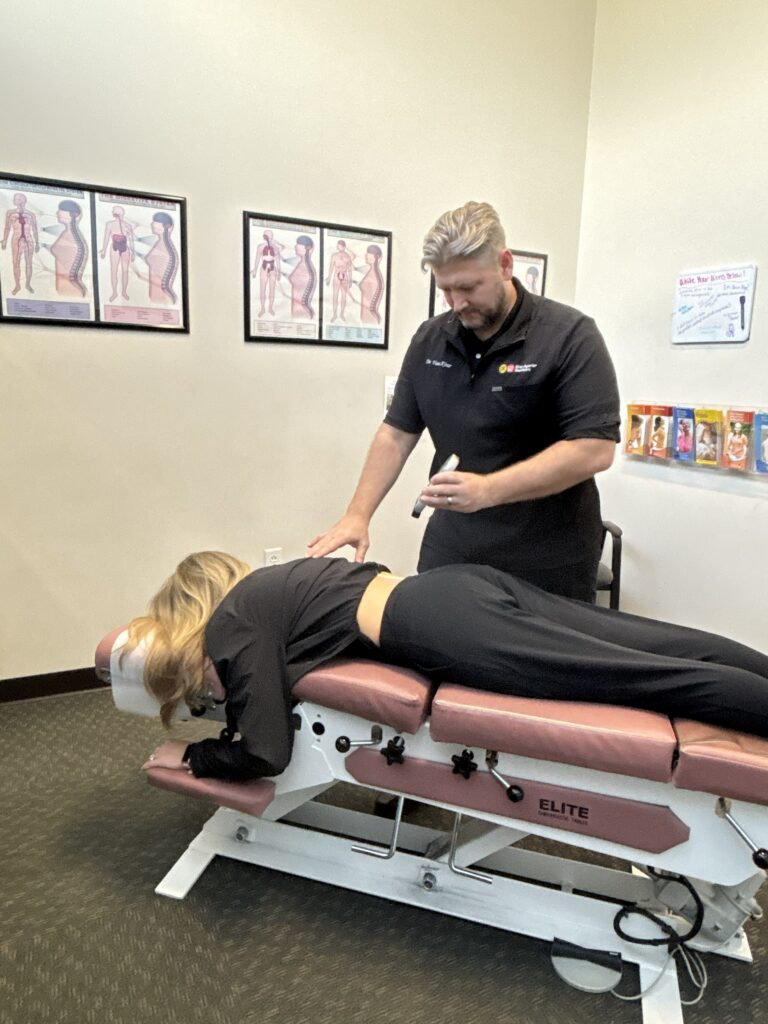
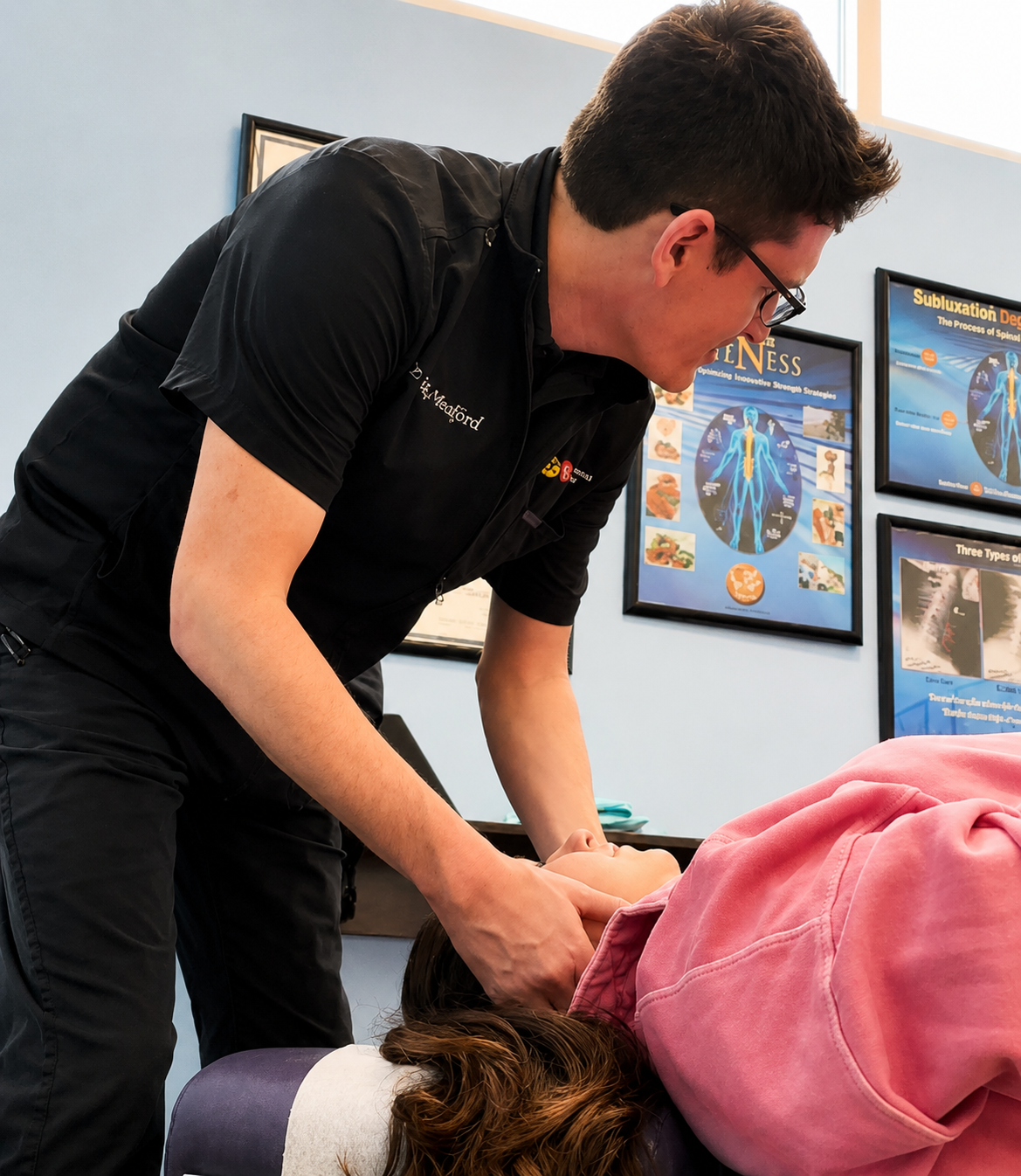
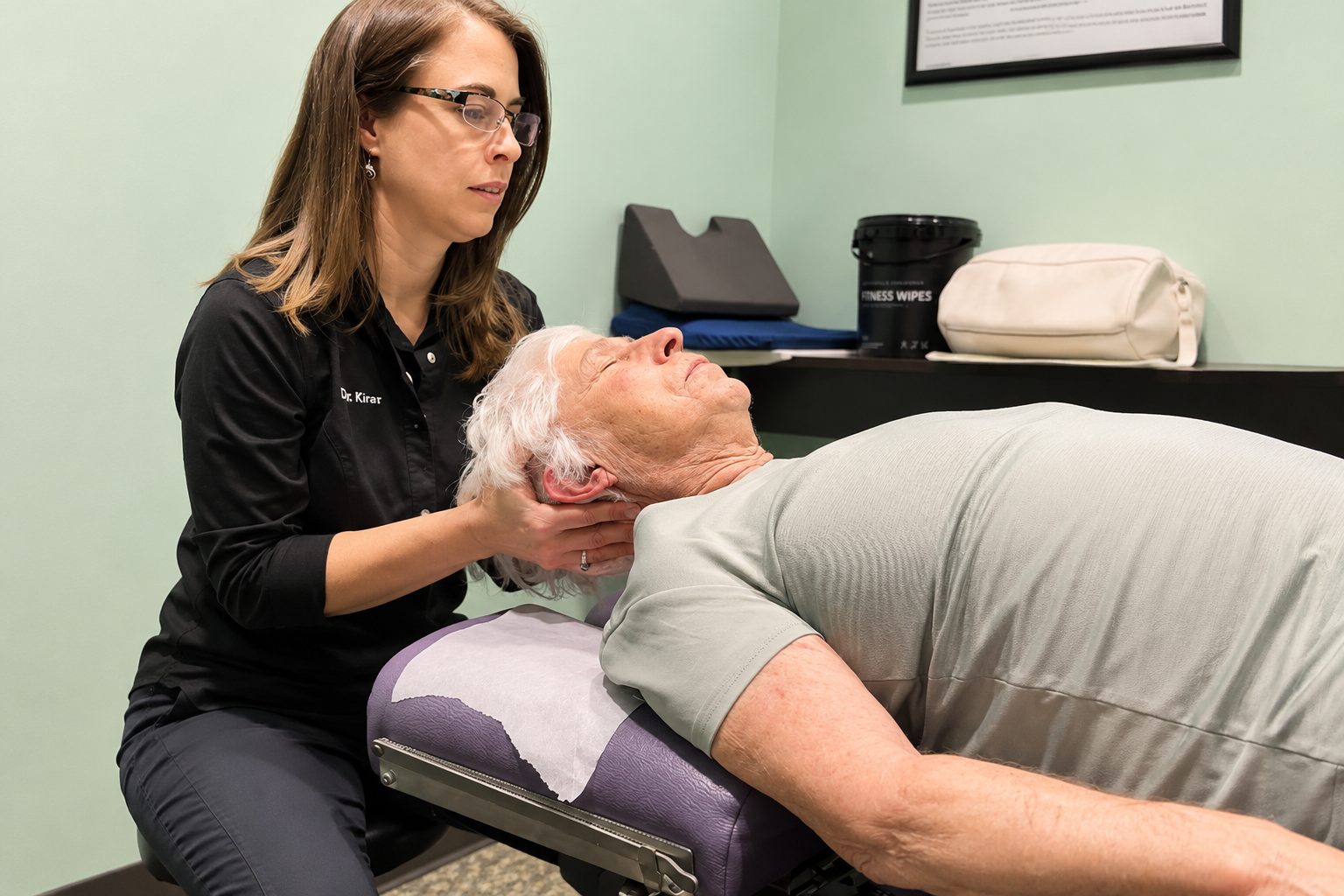
The cornerstone of chiropractic care is the spinal adjustment. Dr. Vance Kirar and the team at Kirar Superior Healthcare use precise, gentle adjustments to correct misalignments in the cervical spine. These adjustments help restore normal motion to the joints, reduce inflammation, and relieve pressure on the nerves that can trigger migraines.
Studies published in the Journal of Manipulative and Physiological Therapeutics and Spine have shown that spinal manipulation can be effective in reducing the frequency, duration, and intensity of migraines and tension headaches. Many patients report fewer migraine episodes and less reliance on pain medication after beginning chiropractic care.
Soft Tissue Therapy
In addition to adjustments, chiropractors often incorporate soft tissue work to address muscle tension and trigger points. Techniques such as myofascial release, trigger point therapy, and therapeutic massage can help relax tight muscles in the neck and shoulders, reducing the likelihood of headaches.
Posture Correction and Ergonomic Guidance
Your chiropractor will also assess your posture and daily habits to identify factors that may be contributing to your neck pain and migraines. You’ll receive personalized recommendations on how to set up your workspace, improve your sleeping posture, and maintain proper alignment throughout the day. This is where the 100 Year Lifestyle philosophy truly shines—by making small, sustainable changes to how you move and position your body, you set yourself up for long-term health and vitality.
Lifestyle and Wellness Coaching
Chiropractic care is about more than just adjustments. It’s about empowering you to take control of your health. At Kirar Superior Healthcare, the team provides guidance on stress management, nutrition, hydration, and exercise—all of which can influence the frequency and severity of migraines. When you adopt a lifestyle-based approach to your health, you’re not just treating symptoms; you’re building a foundation for a healthier, more vibrant future.
Spinal Decompression for Disc-Related Issues
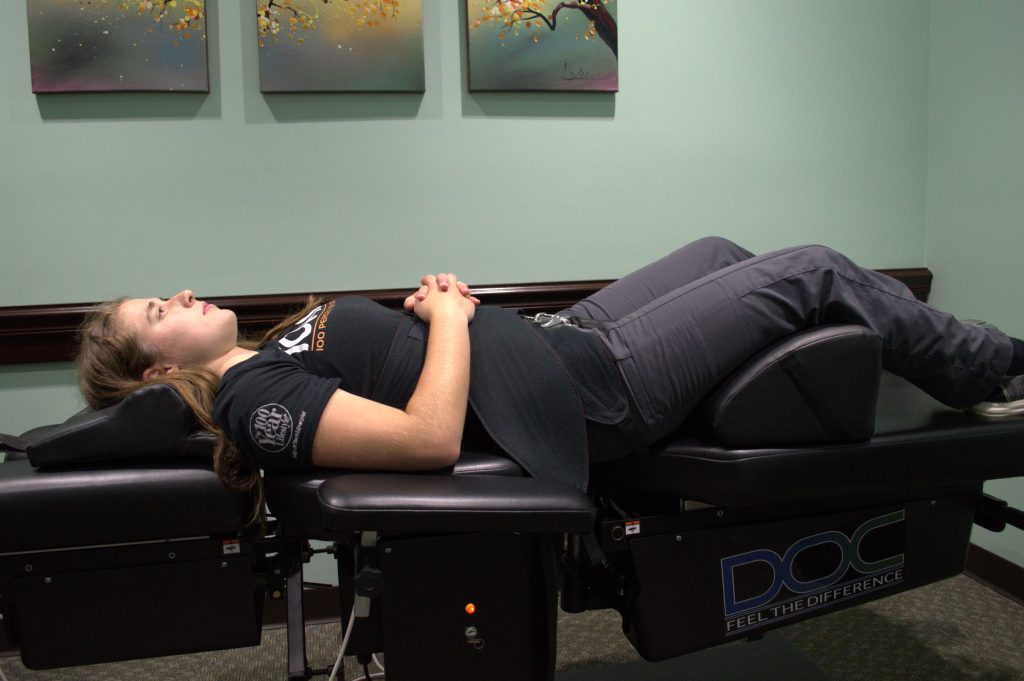
For patients whose neck pain and headaches are related to disc degeneration or herniation in the cervical spine, spinal decompression therapy can be a game-changer. This gentle, non-surgical treatment uses controlled traction to relieve pressure on the discs and nerves, promoting healing and reducing pain. If you’re dealing with chronic neck pain that hasn’t responded to other treatments, spinal decompression may be an effective option.
What to Expect During Your First Visit
When you visit Kirar Superior Healthcare for the first time, you’ll receive a thorough evaluation that includes a detailed health history, a physical and neurological exam, and X-rays if needed to assess the alignment and condition of your spine. This comprehensive approach allows Dr. Vance Kirar and the team to understand the full picture of what’s causing your migraines and neck pain.
From there, you’ll receive a personalized care plan tailored to your specific needs. Your care may include spinal adjustments, soft tissue therapy, corrective exercises, and lifestyle recommendations. The goal is not just to provide temporary relief, but to address the root cause and help you achieve lasting improvement.
Practical Lifestyle Changes for Migraine Relief
While chiropractic care is highly effective, there are also several things you can do at home to support your recovery and reduce the frequency of migraines.
Improve Your Workstation Ergonomics
If you spend a lot of time at a desk, make sure your workstation is set up to support good posture. Your computer monitor should be at eye level, your chair should support the natural curve of your spine, and your feet should rest flat on the floor. Take frequent breaks to stand, stretch, and move around.
Practice Good Sleep Posture
Your sleeping position can have a big impact on your neck health. Avoid sleeping on your stomach, which forces your neck into a twisted position for hours at a time. Instead, sleep on your back or side with a supportive pillow that keeps your neck in a neutral alignment. A cervical pillow designed to support the natural curve of your neck can be particularly helpful.
Stay Hydrated
Dehydration is a common migraine trigger. Make sure you’re drinking enough water throughout the day, especially if you’re active or spending time in the heat. Aim for at least eight glasses of water daily, and more if you’re exercising.
Manage Stress
Chronic stress is a major contributor to both muscle tension and migraines. Incorporate stress-reducing practices into your daily routine, such as deep breathing exercises, meditation, yoga, or simply taking time for activities you enjoy. Even a few minutes of intentional relaxation each day can make a difference.
Move Regularly
Regular physical activity helps keep your muscles strong and flexible, improves circulation, and reduces stress. Walking, swimming, and gentle stretching are all excellent options. The 100 Year Lifestyle encourages movement not just for fitness, but for long-term health and vitality. Think about building habits today that will keep you active and pain-free in your 70s, 80s, and beyond.
Avoid Migraine Triggers
Keep a journal to identify your personal migraine triggers. Common culprits include certain foods (such as aged cheese, processed meats, and artificial sweeteners), alcohol, caffeine withdrawal, bright lights, strong smells, and skipped meals. Once you identify your triggers, you can take steps to avoid them.
When to See a Chiropractor
If you’re experiencing frequent migraines or chronic neck pain, it’s time to seek professional help. Chiropractic care is particularly beneficial if your migraines are accompanied by neck stiffness, if they seem to be triggered by certain movements or postures, or if you’ve had a previous neck injury.
You should consider seeing a chiropractor if your migraines are occurring more than a few times per month, if they’re interfering with your ability to work or enjoy daily activities, or if you’re relying on medication regularly to manage the pain. Early intervention can prevent the condition from becoming more chronic and can often lead to faster, more complete recovery.
Here in Goose Creek, patients at Kirar Superior Healthcare often come in after years of trying various medications and treatments without lasting success. Many are surprised to learn that addressing their neck health can make such a significant difference in their migraine frequency and intensity.
It’s also important to know when to seek immediate medical attention. If you experience a sudden, severe headache unlike any you’ve had before, a headache accompanied by fever, confusion, vision changes, difficulty speaking, or weakness on one side of your body, seek emergency care right away. These can be signs of a serious condition that requires urgent evaluation.
Comparison Table: Migraine Triggers vs. Neck-Related Causes
| Common Migraine Triggers | Neck-Related Causes |
|---|---|
| Certain foods (aged cheese, chocolate, caffeine) | Cervical misalignments (subluxations) |
| Hormonal changes (menstrual cycle, menopause) | Poor posture (forward head position) |
| Stress and emotional tension | Muscle tension and trigger points in the neck |
| Sleep disturbances or irregular sleep patterns | Whiplash or previous neck injuries |
| Bright lights, loud noises, strong smells | Degenerative disc disease or arthritis in the cervical spine |
| Weather changes or barometric pressure shifts | Prolonged static postures (desk work, driving) |
Myths vs. Facts About Migraines and Neck Pain
Myth: Migraines are only caused by problems in the brain.
Fact: While migraines are a neurological condition, they are often triggered or worsened by issues in the neck. Cervical spine dysfunction can send pain signals to the brain that result in migraine episodes. Addressing neck health can significantly reduce migraine frequency and intensity.
Myth: Chiropractic adjustments are dangerous for people with migraines.
Fact: Chiropractic care is safe and effective for most people with migraines. Studies have shown that spinal manipulation can reduce migraine frequency and severity. Chiropractors are trained to assess each patient individually and use appropriate techniques based on their specific condition.
Myth: If medication doesn’t work, nothing else will help.
Fact: Many people find relief through conservative, non-drug approaches like chiropractic care, physical therapy, and lifestyle changes. If medication hasn’t provided lasting relief, it may be because the underlying cause—such as spinal misalignment—hasn’t been addressed.
Myth: Migraines and neck pain are just part of getting older.
Fact: While some degenerative changes are a natural part of aging, chronic migraines and neck pain are not inevitable. With proactive care, proper alignment, and healthy lifestyle habits, you can maintain a strong, pain-free spine well into your later years. This is a core principle of the 100 Year Lifestyle—building a body that functions optimally at every age.
Myth: You have to live with migraines forever.
Fact: Many patients experience significant improvement or even complete resolution of their migraines when the underlying cause is identified and treated. Chiropractic care, combined with lifestyle changes, can help you break the cycle of chronic pain and reclaim your quality of life.
Final Thoughts from Kirar Superior Healthcare
Living with migraines and neck pain can feel isolating and frustrating, but you don’t have to face it alone. At Kirar Superior Healthcare in Goose Creek, our team is dedicated to helping you understand the connection between your neck and your headaches and providing the care you need to find lasting relief. Dr. Vance Kirar and the entire team take a comprehensive, patient-centered approach that focuses on addressing the root cause, not just masking symptoms.
Whether you’ve been dealing with migraines for months or years, there is hope. Chiropractic care offers a safe, effective, drug-free option that can help you reduce the frequency and intensity of your migraines, improve your neck function, and enhance your overall quality of life. By embracing the principles of the 100 Year Lifestyle, you’re not just treating today’s pain—you’re investing in a healthier, more vibrant future.
If you’re ready to take the first step toward relief, we invite you to reach out to Kirar Superior Healthcare here in Goose Creek. Let’s work together to help you feel better, move better, and live better.
Frequently Asked Questions
Can chiropractic care really help with migraines?
Yes. Research suggests that chiropractic care can reduce the frequency, duration, and intensity of migraines, especially when they are related to neck dysfunction. Many patients experience significant improvement after addressing spinal misalignments and muscle tension.
How many chiropractic visits will I need for migraine relief?
Every patient is different, but many people begin to notice improvement within the first few weeks of care. Your chiropractor will develop a personalized care plan based on your specific condition, and progress will be monitored throughout your treatment.
Will I need X-rays on my first visit?
At Kirar Superior Healthcare, we will take X-rays on the first visit if needed to assess the alignment and health of your cervical spine. This helps us identify any underlying issues and create the most effective care plan for you.
Are there any side effects from chiropractic adjustments?
Most patients experience no side effects. Some may feel mild soreness or stiffness for a day or two after an adjustment, similar to what you might feel after starting a new exercise routine. This typically resolves quickly as your body adjusts.
Can poor posture really cause migraines?
Absolutely. Poor posture, especially forward head posture, places excessive strain on the muscles and joints of the neck, which can lead to tension headaches and migraines. Improving your posture is an important part of long-term migraine management.
What if my migraines are caused by something other than my neck?
Migraines can have multiple triggers, including hormonal changes, dietary factors, and stress. A comprehensive evaluation will help determine whether your neck is a contributing factor. If other causes are identified, your chiropractor can provide guidance or refer you to the appropriate healthcare provider.
TL;DR — Key Takeaways
- Migraines and neck pain are often connected through dysfunction in the cervical spine, including misalignments, muscle tension, and nerve irritation.
- Chiropractic care addresses the root cause by restoring spinal alignment, reducing inflammation, and relieving nerve pressure—leading to fewer, less severe migraines.
- Lifestyle changes such as improving posture, staying hydrated, managing stress, and practicing good sleep habits can support migraine relief and long-term spinal health.
- The 100 Year Lifestyle philosophy encourages proactive, lifestyle-based care that helps you stay healthy, active, and pain-free for decades to come.
- If you’re experiencing frequent migraines or chronic neck pain, Kirar Superior Healthcare in Goose Creek is here to help you find lasting relief through personalized, evidence-based chiropractic care.