
When it comes to athlete recovery, many people think they understand the basics, but recent insights reveal that there’s much more to it. Recovery isn’t just about taking time off; it’s a harmonious blend of nutrition, restorative sleep, and targeted recovery techniques. Understanding how these elements work together can significantly enhance your performance and overall well-being.
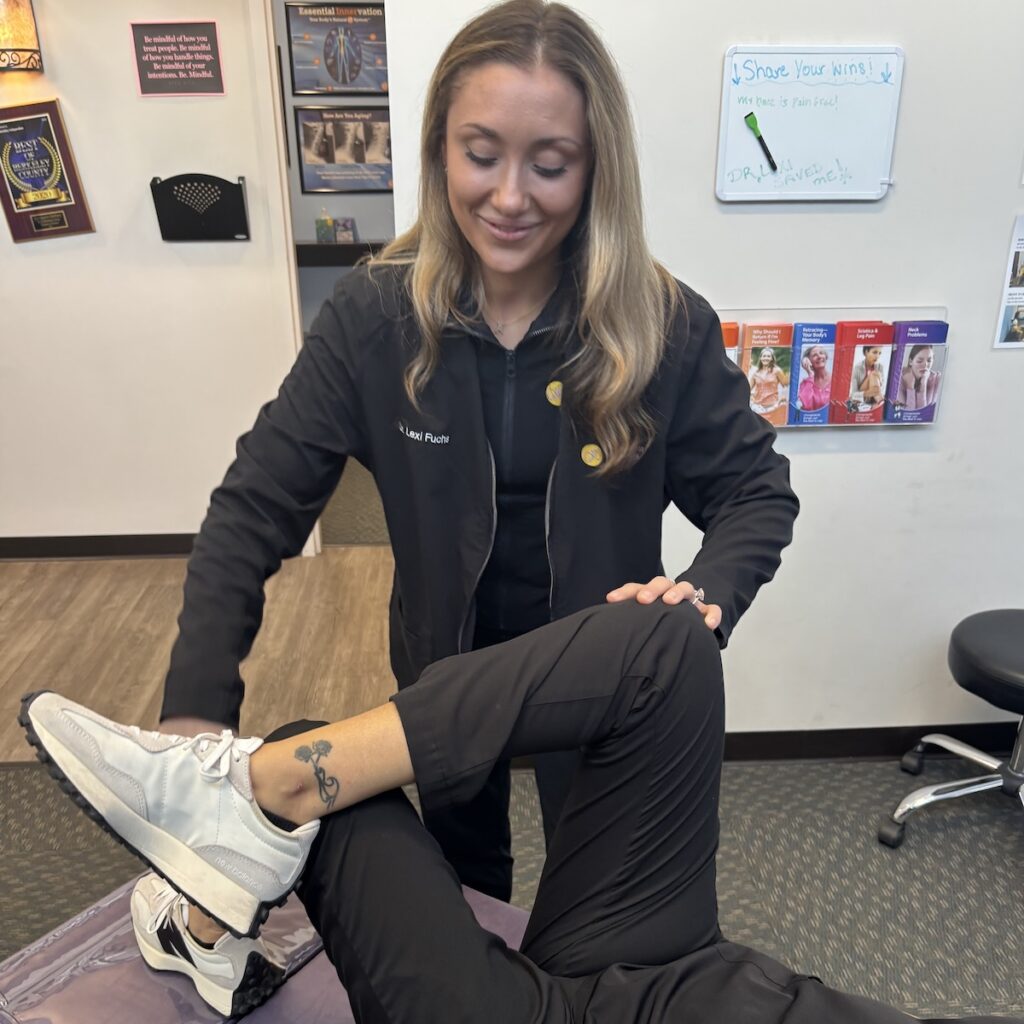
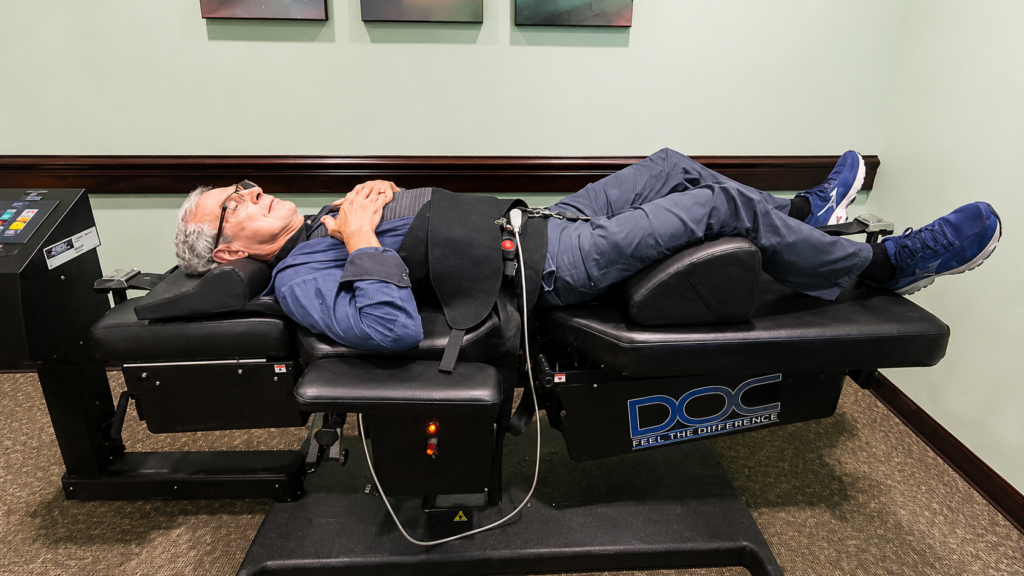
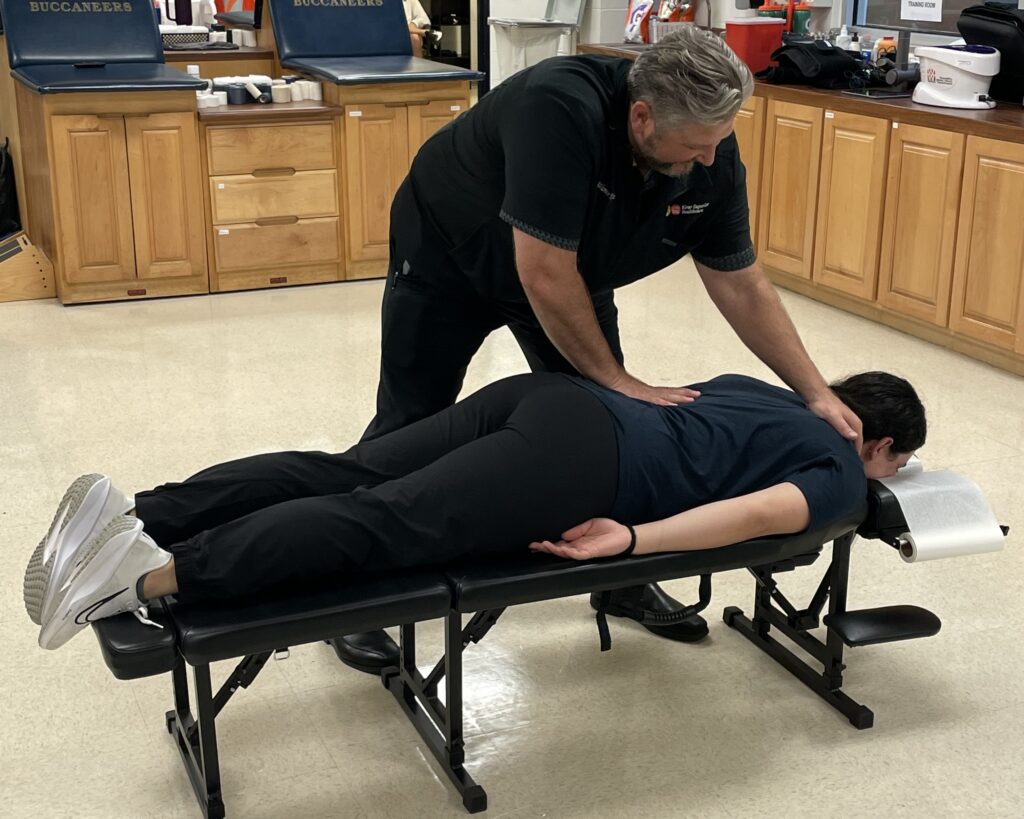
As a chiropractor, I believe that incorporating chiropractic care into your recovery routine can make a world of difference. Chiropractic adjustments can improve spinal alignment, reduce pain, and enhance mobility, all of which are crucial for athletes looking to recover effectively. By ensuring that your spine is in proper alignment, your nervous system can function optimally, allowing your body to heal naturally.
Curious about the latest strategies to elevate your recovery game? Here are some key tips that you can easily integrate into your routine:
- Stay Hydrated: Water is essential for recovery. It helps transport nutrients and aids in muscle repair. Make sure you’re drinking enough water throughout the day, especially after workouts.
- Prioritize Sleep: Quality sleep is vital for recovery. Aim for 7-9 hours each night to allow your body to repair and rejuvenate. Consider creating a calming bedtime routine to improve your sleep quality.
- Incorporate Stretching: Gentle stretching can help alleviate tension in your muscles and improve flexibility. This practice can be particularly beneficial after workouts to promote recovery.
- Focus on Nutrition: Eating a balanced diet rich in whole foods, including plenty of fruits, vegetables, lean proteins, and healthy fats, can support your recovery. Foods high in antioxidants can also help reduce inflammation.
- Utilize Chiropractic Care: Regular chiropractic adjustments can support your recovery by ensuring that your spine is aligned and your body can function optimally. This natural approach can relieve pain, enhance mobility, and promote overall wellness.
By integrating these practices into your recovery routine, you can enhance your performance and well-being naturally. Remember, achieving optimal health is a journey, and chiropractic care can be an essential part of that journey. Let’s embrace these techniques and prioritize our recovery for better health and performance!
Key Takeaways
- Aim for 7–9 hours of restorative sleep each night. Quality sleep is crucial for muscle repair, recovery, and enhancing your overall performance. It’s during this time that your body heals and rejuvenates, making it essential for athletes.
- Embrace a blend of active and passive recovery techniques. Gentle activities like stretching and walking can keep your body moving, while relaxation methods such as massage can work wonders for healing. As a chiropractor, I encourage my patients to explore these techniques as part of a comprehensive recovery plan.
- Staying hydrated is vital for your body’s recovery process. Proper hydration helps maintain physiological functions, flush out toxins, and alleviate muscle soreness. Remember, water is your best friend when it comes to recovery!
- Focus on balanced nutrition that includes ample protein and carbohydrates. This will not only aid in muscle repair but will also help replenish your energy stores after workouts. A well-nourished body is more resilient and can recover more effectively.
- Regular chiropractic care is an invaluable asset during your recovery journey. It can enhance your spinal alignment, which is key for overall well-being and efficiency in recovery. By addressing any misalignments, chiropractic adjustments can help reduce pain and improve your body’s natural healing processes, allowing you to get back to doing what you love.
Incorporating these strategies into your routine can help you achieve optimal health and wellness. Remember, your body is your most important tool—treat it with care!
The Science Behind Recovery: Understanding Muscle Repair
Understanding how muscle repair works is crucial for anyone looking to enhance their recovery after pushing their body to the limit. After an intense workout, your muscle fibers experience tiny tears, which is a normal part of building strength. However, it’s essential to support your body in healing these tears effectively.
One of the best ways to facilitate muscle repair is through chiropractic care. Chiropractors can help ensure your spine and nervous system are functioning optimally, which is vital for overall health and recovery. By maintaining proper alignment, your body can communicate more effectively with itself, which may enhance the healing process.
During recovery, your body activates special cells called satellite cells that aid in rebuilding and strengthening damaged fibers. Adequate nutrition plays a crucial role here; consuming enough protein provides the amino acids necessary for muscle synthesis. Moreover, staying hydrated helps optimize recovery.
Rest is equally important for muscle recovery. Allowing your muscles time to heal not only helps them grow stronger but also prevents fatigue and injury. Incorporating regular chiropractic adjustments into your routine can help alleviate tension and promote relaxation, allowing your body to recover more efficiently.
Active vs. Passive Recovery: Which Is More Effective?
When it comes to recovery, there are two primary approaches: active and passive recovery. As a chiropractor, I believe it’s essential to understand how each method can contribute to your overall health and wellness.
Active recovery involves engaging in low-intensity exercises to boost circulation and promote healing in your muscles and joints. This can be as simple as a gentle walk or stretching, which not only helps reduce soreness but can also improve your spinal alignment and flexibility.
On the other hand, passive recovery focuses on relaxation and rest. Techniques such as guided relaxation, gentle massage, or even receiving chiropractic adjustments can help relieve tension and restore balance to your body. These methods allow your body to recover naturally without the strain of physical activity.
Both approaches have their unique benefits, but incorporating chiropractic care into your recovery routine may provide you with the most effective results. Chiropractic adjustments can enhance your body’s ability to heal by ensuring your spine is aligned and your nervous system is functioning optimally.
Here are a few general tips you can take away for your recovery journey:
- Listen to your body: Pay attention to how you feel during and after different recovery methods. This will help you determine what works best for you.
- Stay hydrated: Proper hydration is crucial for muscle recovery and overall health.
- Incorporate gentle stretching: Regularly stretching your muscles can enhance flexibility and prevent stiffness.
- Consider chiropractic care: Regular visits to a chiropractor can help maintain spinal health and improve your recovery process.
Ultimately, finding the right balance between active and passive recovery, along with chiropractic care, will help you achieve optimal health and wellness. Embrace these approaches to support your body’s natural healing abilities and enhance your overall quality of life.
Definitions of Recovery Methods
While both active and passive recovery methods are important for athletes and anyone looking to improve their health, understanding their differences can help you make the best choices for your wellness journey. Active recovery entails engaging in low-intensity exercises that promote blood flow and keep your muscles active. Activities like walking, cycling, or gentle stretching can alleviate soreness and help maintain fitness levels without putting too much strain on your body.
In contrast, passive recovery emphasizes complete rest, allowing your body to heal and recharge. This could involve simple practices such as napping, enjoying an ice bath, or taking the time to relax. Both methods have their place in a well-rounded recovery plan.
As a chiropractor, I believe that incorporating chiropractic care into your routine can significantly enhance your recovery process. Chiropractic adjustments can help alleviate pain, improve mobility, and enhance overall body function, allowing you to recover more effectively.
When considering your training intensity and personal goals, think about how your body feels. If you’re experiencing discomfort or pain, chiropractic care can address underlying issues, promoting a natural healing process. Remember, prioritizing your body’s needs and incorporating gentle movement, along with professional care, can lead to optimal health and wellness. Always listen to your body, and don’t hesitate to consult with your chiropractor for personalized recovery advice.
Benefits of Active Recovery
Active recovery is a fantastic way to enhance your overall performance and well-being, especially when paired with chiropractic care. By engaging in low-intensity exercises such as walking or cycling, you keep your muscles active without putting them under too much stress. This gentle movement increases blood flow, which is essential for delivering nutrients and oxygen to your muscles, promoting faster recovery.
One of the great things about active recovery is that it can help reduce muscle soreness, allowing you to feel better and bounce back quicker for your next workout. As a chiropractor, I can tell you that maintaining good flexibility and range of motion is crucial for preventing injuries, and active recovery is a perfect way to support that.
Additionally, incorporating active recovery into your routine can boost your mood and energy levels, making it easier to stay motivated. Remember, gentle workouts on your recovery days can be incredibly beneficial. To further support your recovery, consider regular chiropractic adjustments to help align your spine, improve your body’s function, and enhance your overall wellness.
Benefits of Passive Recovery
While many athletes often rely on active recovery techniques, it’s important to recognize the significant benefits of passive recovery as well. Engaging in passive recovery, which includes methods like rest and compression therapy, allows your body to heal naturally without adding more stress. This gentle approach can help reduce muscle soreness, lower heart rates, and improve your overall recovery time.
In addition to physical benefits, passive recovery promotes relaxation, which is essential for reducing stress and enhancing mental clarity—key elements for peak performance. Taking the time to rest can lead to increased energy levels and readiness for your next workout.
Chiropractic care plays a vital role in this recovery process. By addressing spinal alignment and improving nervous system function, chiropractic adjustments can enhance your body’s natural healing capabilities. This means you can recover better and quicker, preparing you for your next training session.
The Role of Nutrition in Enhancing Recovery
After an intense workout or competition, what you eat can significantly influence your recovery. Nutrition isn’t just about fueling your body; it’s about healing and rejuvenating it. Proper post-exercise nutrition helps you bounce back quickly, making it easier to maintain a healthy spine and overall wellness. Here’s what you should focus on for optimal recovery:
- Protein: Consuming protein is essential for repairing muscles and strengthening them. This not only prepares your body for the next challenge but also supports your spine by ensuring that your muscles are strong and balanced.
- Carbohydrates: Carbs are crucial for replenishing your energy stores. They help prevent fatigue and keep you mentally sharp, enhancing your overall performance. A well-functioning body, including a healthy spine, relies on adequate energy levels.
- Hydration: Staying hydrated is vital. It helps flush out toxins from your body, reduces muscle soreness, and keeps you feeling fresh. Proper hydration also plays a role in spinal health by maintaining the cushioning in your discs and preventing stiffness.
- Antioxidants: Foods rich in antioxidants combat inflammation, which can speed up your recovery and reduce the risk of injuries. A balanced diet that includes plenty of colorful fruits and vegetables can support your body’s natural healing processes.
Incorporating these nutritional elements into your post-workout routine can enhance your recovery and promote overall health. Remember, chiropractic care complements these efforts by ensuring that your spine is aligned and functioning optimally, which is crucial for your overall well-being.
Innovative Technologies in Recovery: From Cryotherapy to Compression
Innovative recovery technologies are changing the way athletes and active individuals recover after intense workouts and competitions, but it’s essential to remember that chiropractic care remains one of the best options for natural healing and optimal health. While methods like cryotherapy and compression therapy have their benefits, chiropractic adjustments can help enhance recovery by addressing the root causes of pain and discomfort in the spine and nervous system.
Here’s a brief look at these recovery methods and how chiropractic care stands out:
| Technology | Benefits | Considerations |
|---|---|---|
| Cryotherapy | Reduces inflammation, speeds up muscle recovery | Requires specialized facilities and can be costly |
| Compression Therapy | Improves circulation, decreases muscle soreness | May feel restrictive for some users |
| Hydrotherapy | Relieves pain, promotes relaxation | Can be time-consuming to set up |
| Chiropractic Care | Addresses spinal misalignments, enhances overall wellness | Requires regular visits for best results |
Chiropractic care is a holistic approach that focuses on spinal alignment and nervous system function, promoting overall health and well-being. By ensuring that your spine is in proper alignment, you can experience reduced pain and improved recovery times naturally, without the need for medications or invasive procedures.
Here are some general tips to enhance your recovery alongside chiropractic care:
- Stay Hydrated: Proper hydration supports muscle recovery and helps reduce soreness.
- Incorporate Stretching: Gentle stretching can improve flexibility and prevent injuries.
- Prioritize Sleep: Quality sleep is crucial for recovery, as it allows your body to repair itself.
- Listen to Your Body: Pay attention to how you feel after workouts, and don’t hesitate to seek chiropractic care if you experience persistent pain or discomfort.
The Benefits of Sleep for Athletic Performance
When it comes to athletic performance, getting enough sleep is absolutely crucial.
Quality rest not only aids in muscle repair and recovery but also enhances your mental focus, which is essential for peak performance. As a chiropractor, I understand the importance of a well-aligned spine and how it contributes to restful sleep.
Did you know that a misaligned spine can disrupt your sleep patterns, leaving you feeling tired and less focused during your workouts? By prioritizing chiropractic care, you can ensure that your spine is properly aligned, which may improve your sleep quality and, in turn, boost your training outcomes.
Here are a few tips to help you get the restful sleep your body needs for optimal athletic performance:
- Maintain a Consistent Sleep Schedule: Go to bed and wake up at the same time every day to regulate your body’s internal clock.
- Create a Sleep-Friendly Environment: Make sure your bedroom is dark, quiet, and cool. Consider using blackout curtains and a white noise machine if necessary.
- Prioritize Stretching and Relaxation: Incorporating gentle stretches before bed can help relieve tension in your muscles and promote relaxation, setting the stage for restful sleep.
- Stay Hydrated: Drink plenty of water throughout the day, but try to limit fluid intake right before bed to avoid disruptions during the night.
- Seek Chiropractic Care: Regular adjustments can help maintain proper spinal alignment, which can enhance your overall health and improve your sleep quality.
Sleep Duration Impact
Sleep is often underestimated, yet it plays a vital role in maintaining your overall health and wellness, especially for athletes. Prioritizing quality sleep not only supports your physical performance but also encourages natural healing and spinal health. Here are some benefits you might experience when you make sleep a priority:
- Enhanced Recovery: While you sleep, your body engages in essential repair processes, helping to heal your muscles and joints. This recovery is crucial after intense workouts and can complement the benefits of chiropractic care, which focuses on optimizing spinal function and overall body alignment.
- Improved Focus: A well-rested mind leads to sharper concentration and better decision-making, which are especially important during competitions. Improved focus can also enhance your body’s response to chiropractic adjustments, allowing for a more effective treatment.
- Increased Energy: Getting enough sleep means you’ll have more energy to push yourself in training and games. When combined with regular chiropractic care, this energy can help you perform at your best while maintaining good spinal health.
- Better Mood: Quality sleep helps regulate your emotions, keeping you motivated and resilient. A positive mood can also enhance your chiropractic experience, making you more receptive to the adjustments that promote natural healing.
Takeaway Tips:
- Aim for 7-9 hours of quality sleep each night to support your overall health and athletic performance.
- Create a calming bedtime routine to help signal to your body that it’s time to wind down.
- Consider incorporating regular chiropractic care into your wellness routine to enhance recovery and support your sleep quality.
Recovery and Muscle Repair
Maximizing recovery and muscle repair is crucial for anyone looking to improve their athletic performance, and one of the most important aspects of this process is quality sleep. During sleep, your body engages in vital repair processes that help heal muscle tissue and restore energy levels. Ensuring you get enough rest is key to effective muscle recovery, which can help prevent injuries and boost your overall athletic performance.
As a chiropractor, I want to emphasize not just the importance of rest, but also how chiropractic care can play a significant role in enhancing your recovery and wellness. Here’s how:
| Benefit | Details | Impact on Performance |
|---|---|---|
| Muscle Repair | Chiropractic adjustments can enhance blood flow and improve nerve function, aiding muscle recovery. | Quicker recovery times |
| Energy Restoration | Proper spinal alignment supports optimal energy flow in the body, assisting in glycogen replenishment in muscles. | Better endurance |
| Mental Clarity | Chiropractic care can reduce stress and tension, enhancing cognitive function for better decision-making. | Improved focus during competition |
| Immune Support | Regular chiropractic adjustments can strengthen your immune system, reducing the risk of illness. | Fewer sick days |
Incorporating chiropractic care into your wellness routine can be a game changer for your recovery process. Additionally, here are some general tips to enhance your recovery and muscle repair:
- Prioritize Sleep: Aim for 7-9 hours of quality sleep each night to allow your body to repair itself.
- Stay Hydrated: Drink plenty of water to keep your muscles hydrated and functioning optimally.
- Balanced Nutrition: Consume a well-rounded diet rich in proteins, healthy fats, and carbohydrates to fuel your body.
- Regular Chiropractic Visits: Consistent chiropractic adjustments can help maintain spinal health, promote healing, and improve overall wellness.
Mental Focus Enhancement
While many athletes invest significant time in physical training, overlooking mental preparation can limit their overall performance. A key aspect of enhancing mental focus is ensuring you get enough sleep, which can ultimately help you achieve peak performance. When you prioritize rest, you’ll enjoy a range of benefits that can elevate your game—benefits that align well with a holistic approach to health, including chiropractic care. Here’s how quality sleep can support your athletic performance:
- Improved Reaction Time: A rested mind processes information more quickly, giving you that crucial edge in competition. Regular chiropractic adjustments can also help align your nervous system, which may enhance your reaction times.
- Enhanced Concentration: Sleep is essential for boosting your concentration levels, enabling you to stay focused during critical moments. Incorporating regular chiropractic care can further support your mental clarity by ensuring that your body is functioning optimally.
- Better Decision-Making: When you get quality sleep, it sharpens your judgment, allowing you to make smarter choices on the field. Chiropractic care helps your body cope with stress, which can also positively influence your decision-making abilities.
- Increased Resilience: Sufficient rest helps you manage stress and maintain composure when the pressure is on. Maintaining a healthy spine through chiropractic care can enhance your body’s ability to deal with physical and mental stressors.
Incorporating these practices into your routine not only enhances your mental focus but also promotes overall wellness. Remember, your body and mind function best when they’re both well cared for. Prioritize your sleep, consider regular chiropractic adjustments, and you’ll be on your way to not just improved performance, but a healthier lifestyle overall.
Mindfulness and Mental Recovery: Beyond the Physical
While physical training often takes center stage in an athlete’s regimen, mental recovery through mindfulness is equally essential for achieving optimal health and performance—something chiropractic care can greatly support. Practicing mindfulness helps you stay focused and present, allowing you to manage stress, anxiety, and even physical discomfort more effectively. By incorporating mindful techniques such as deep breathing or guided meditation, you can enhance your concentration during both training and competition, leading to better overall results.
Chiropractic care is a fantastic ally in this journey, as it addresses the underlying physical issues that may contribute to stress and mental fatigue. When your spine is in alignment, your nervous system functions optimally, which can positively impact your mental clarity and emotional resilience. This holistic approach enables you to process emotions and recover mentally from setbacks, fostering the resilience that’s crucial for athletes.
Engaging fully in the moment not only helps you connect with your body’s signals but also aids in better decision-making during your athletic pursuits. Additionally, chiropractic adjustments can help alleviate tension and discomfort, allowing for a more mindful approach to both training and recovery.
Furthermore, mindfulness nurtures a positive mindset, which can boost your motivation and improve overall well-being. Remember, it’s not just about physical rest; mental clarity is vital, and chiropractic care plays a key role in achieving that balance. So, take the time to integrate mindfulness into your recovery routine alongside regular chiropractic visits. You’ll discover that a well-rounded approach to both body and mind enhances your athletic journey and paves the way for long-term success and natural wellness.
For anyone looking to improve their health and performance, consider these general tips: practice mindfulness daily, stay in tune with your body, and maintain regular chiropractic care to support your overall well-being.
Common Recovery Myths Debunked
When it comes to recovery, many athletes and active individuals encounter common myths that can negatively impact their performance and overall well-being. Understanding these misconceptions is crucial for making informed choices that support both physical and mental recovery. Let’s debunk some of these myths and explore how chiropractic care can play a vital role in your recovery journey:
- You don’t need rest days: It’s a common belief that pushing through without rest will lead to better performance, but this can lead to burnout and injuries. Your body requires time to repair itself, and incorporating rest days is essential. Chiropractic adjustments can help ensure your spine is aligned, promoting better rest and recovery.
- More protein equals faster recovery: While protein is an important part of your diet, balance is key. Overindulging in protein won’t speed up recovery. Instead, focus on a well-rounded diet that includes fruits, vegetables, and whole grains. Chiropractic care can also assist in optimizing your metabolism, helping your body utilize nutrients more effectively.
- Stretching before workouts prevents injury: Many believe that static stretching before exercise can prevent injuries. However, it can actually weaken muscles temporarily. Instead, opt for dynamic warm-ups to prepare your body. Chiropractic care can provide specific exercises and stretches tailored to your needs, enhancing your flexibility and strength.
- Ice is always the best for soreness: While ice can be helpful in certain situations, heat can sometimes be more beneficial for recovery by promoting blood flow and healing. A chiropractor can guide you on when to use heat or ice and provide other natural remedies to alleviate soreness.
Personalized Recovery Plans: Tailoring Techniques to Individual Needs
Creating a personalized recovery plan is vital for maximizing your health and well-being, especially since everyone’s body reacts differently to physical activity and stress. Start by assessing your unique needs, including your sport, the intensity of your workouts, and any past injuries.
Chiropractic care can play a key role in your recovery journey. By addressing spinal alignment and function, chiropractic adjustments can help reduce pain, improve mobility, and enhance your overall physical performance. Incorporate techniques such as gentle stretching, active recovery, and proper nutrition that align with your specific requirements. For instance, while some may find relief through foam rolling, others might benefit more from chiropractic adjustments or massage therapy.
Monitoring your sleep patterns is also essential, as quality rest significantly influences your recovery process. Make sure to prioritize good sleep hygiene to support your body’s healing.
It’s important to listen to your body and make adjustments to your recovery plan as needed. Regularly assess how you feel and be open to changing your strategies. Consulting with a chiropractor can provide you with tailored insights based on your individual needs, ensuring that you’re on the right track to recovery.
Conclusion
Incorporating updated recovery techniques into your routine can significantly enhance your athletic performance and overall well-being. By focusing on balanced nutrition, restorative sleep, and active recovery, along with personalized strategies, you’re paving the way for success. Remember, it’s not just about working hard; it’s equally important to recover wisely.
A key aspect of effective recovery is listening to your body. Pay attention to signs of fatigue or discomfort, and adjust your approach accordingly. Chiropractic care can play a vital role in this process, helping to alleviate pain and promote natural healing. Regular chiropractic adjustments can enhance your body’s ability to recover, improve mobility, and reduce the risk of injuries.
In addition to chiropractic care, here are some general tips to support your recovery journey:
- Stay Hydrated: Drink plenty of water throughout the day to keep your body functioning optimally.
- Nutrient-Rich Foods: Fuel your body with whole foods, including fruits, vegetables, lean proteins, and healthy fats, to aid in recovery.
- Prioritize Sleep: Aim for 7-9 hours of quality sleep each night to give your body the time it needs to repair and rejuvenate.
- Gentle Movement: Incorporate light stretching or yoga to keep your body limber and promote blood flow without overexertion.
- Mindfulness Practices: Engage in relaxation techniques like deep breathing or meditation to reduce stress and improve overall wellness.
With the right practices in place, including the benefits of chiropractic care, you can not only recover faster but also perform better in your sport. Embrace a holistic approach to health and wellness, and you’ll set yourself up for lasting success.