
Are you seeking to move more freely and alleviate discomfort? Understanding your flexibility is essential for your overall well-being. Our quick quiz will help you assess your current range of motion and pinpoint tight areas that might be holding you back. By incorporating practical tips and tailored exercises into your routine, you can start making positive strides today.
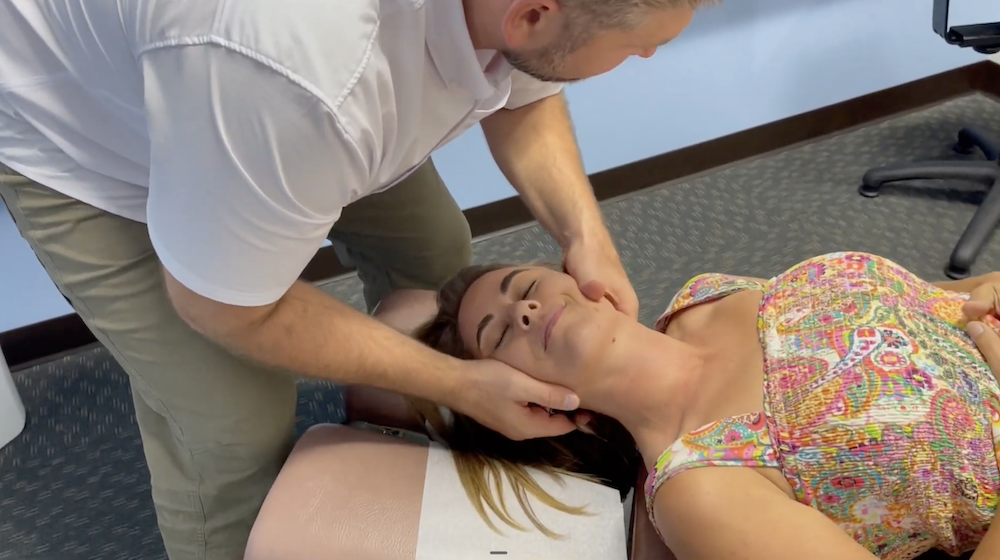
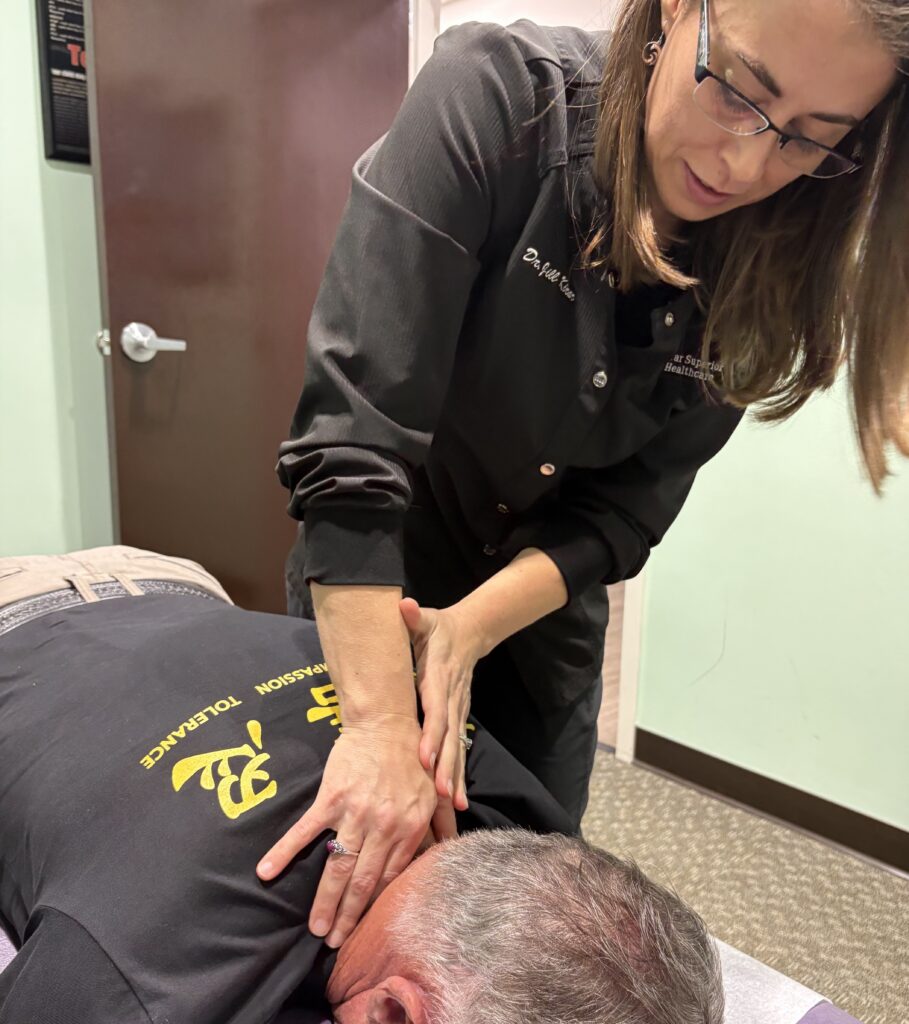
Chiropractic care is a fantastic way to enhance your flexibility and promote natural healing. Regular adjustments can help align your spine, relieve tension in your muscles, and improve your overall range of motion. Remember, a well-aligned spine supports not just your flexibility but also your entire body’s function.
Curious about how to set SMART goals and track your improvements? Here are a few tips:
- Specific: Define clearly what flexibility means for you. For example, reaching your toes or performing a deep squat.
- Measurable: Keep a journal of your progress by noting how far you can stretch each week.
- Achievable: Set realistic goals based on your current flexibility level. Start small and build from there.
- Relevant: Ensure your goals align with your overall health and wellness objectives.
- Time-bound: Give yourself a timeline to achieve your goals, whether it’s a month or a few weeks.
Incorporate gentle stretching and mobility exercises into your daily routine, and consider visiting your chiropractor to discuss personalized strategies that can enhance your flexibility and overall health. Together, we can work towards helping you live a more active, pain-free life!
Key Takeaways
- Start by assessing your current flexibility through simple tests like the sit-and-reach and shoulder flexibility exercises. Understanding where you’re starting from is key to making progress and can help highlight areas that may need more attention, especially if you experience discomfort or pain.
- Setting SMART (Specific, Measurable, Achievable, Relevant, Time-bound) goals can help create a clear and structured plan for enhancing your flexibility over time. This approach not only keeps you motivated but also aligns with the holistic principles of chiropractic care, which emphasize gradual improvement and natural healing.
- Incorporate dynamic stretching into your warm-up routine. This type of stretching prepares your muscles for activity and can significantly reduce the risk of injury. Remember, a well-prepared body is less likely to experience pain, which is a fundamental aspect of maintaining a healthy spine.
- It’s important to combine static stretching with a mindful progression approach. This means listening to your body and slowly increasing your range of motion. This practice not only helps in enhancing flexibility but also promotes relaxation, which is essential for overall wellness and spinal health.
- Tracking your progress can be incredibly beneficial. Consider keeping a flexibility journal to jot down your routines and improvements. Taking progress photos can also be a motivating way to visualize your advancements, making the journey towards better flexibility feel more rewarding. Remember, the goal is to feel better and support your spine’s health naturally.
By integrating these practices into your routine, you’re not only enhancing your flexibility but also supporting your overall well-being—just as chiropractic care aims to do.
Understanding Flexibility and Its Importance
Flexibility is a vital aspect of maintaining your overall health and well-being, and as a chiropractor, I want to emphasize how important it’s for everyone, not just athletes. It’s not merely about being able to reach your toes; flexibility can significantly impact your daily life in various ways.
When you have good flexibility, you can move with greater ease, which lowers your risk of injuries during everyday activities. This means tasks like bending to pick something up or reaching for items on a shelf become much simpler. A greater range of motion can also enhance your physical performance, making you feel more energetic throughout the day.
Furthermore, flexibility contributes to better posture. Proper alignment of the spine is crucial for reducing discomfort and tension in your muscles. When your body is flexible, it allows for better spinal alignment, which can lead to less strain on your body and improved circulation. Good circulation helps ensure that nutrients and oxygen efficiently reach your cells, keeping you feeling your best.
Incorporating flexibility exercises into your routine can be easy and doesn’t require fancy equipment. Simple stretches you can do at home, like gentle neck rolls or shoulder stretches, can make a big difference. These exercises not only help with flexibility but can also reduce stress levels and boost your energy.
Remember, chiropractic care plays a key role in enhancing flexibility and overall wellness. By addressing spinal misalignments and promoting proper posture, chiropractic adjustments can help your body function optimally. This natural approach to health can lead to improved flexibility and a more active lifestyle.
Assessing Your Current Flexibility Level
To assess your flexibility and overall mobility, it’s important to evaluate your current flexibility level through some simple tests. One effective method is the sit-and-reach test. Sit on the floor with your legs extended in front of you and reach toward your toes. Measure how far you can reach; this will give you a clear indication of your lower back and hamstring flexibility.
Next, let’s look at your shoulder flexibility. Use a towel or strap and hold it behind your back with one hand above and the other below. Check how close your hands can get together. This test will help you understand your shoulder and upper back flexibility.
Don’t overlook hip flexibility, either. Stand tall and lift one knee towards your chest, holding it for a few moments before switching to the other leg. This will give you insight into how flexible your hips are.
These flexibility assessments can highlight areas where you might need improvement and help you set realistic goals for your flexibility journey. Understanding your current flexibility is the first step toward enhancing your mobility and overall well-being.
Remember, incorporating regular chiropractic care can support your flexibility and help relieve any discomfort you may be experiencing. Chiropractors focus on natural healing and the proper alignment of the spine, which is essential for optimal health and mobility.
Common Flexibility Exercises to Try
Now that you’ve assessed your flexibility, it’s a great opportunity to explore some common exercises that can enhance it while also supporting your overall health and wellness.
Incorporating dynamic stretching techniques can effectively warm up your muscles, preparing them for movement and reducing the risk of injury. Static stretching, on the other hand, offers excellent benefits for increasing flexibility and promoting relaxation.
As a chiropractor, I encourage you to integrate these exercises into your routine not just for flexibility, but also to support your spinal health. A flexible body can lead to better posture, reduced tension, and improved alignment, which are all crucial for maintaining a healthy spine.
Here are some simple tips to incorporate flexibility exercises into your daily life:
- Warm-Up Wisely: Before starting any exercise, include some dynamic stretches, like arm circles or leg swings, to increase blood flow to your muscles.
- Stretch Safely: When practicing static stretches, hold each position for at least 20-30 seconds. Focus on your breath and avoid bouncing, as this can lead to strain.
- Consistency is Key: Aim to incorporate flexibility exercises into your routine several times a week. This will help your body adapt and improve over time.
- Listen to Your Body: Pay attention to how your body feels during stretches. If you experience pain, ease off and consult with a chiropractor for personalized guidance.
- Stay Hydrated: Proper hydration supports muscle function and flexibility, so make sure to drink enough water throughout the day.
By making these exercises a regular part of your wellness routine, you can improve your flexibility and overall health.
Chiropractic care complements these efforts by addressing any underlying issues that may be affecting your mobility. Remember, a healthy spine leads to a healthier you!
Dynamic Stretching Techniques
Incorporating dynamic stretching techniques into your warm-up routine can significantly enhance your flexibility and prepare your muscles for activity. These movements involve smooth, controlled shifts that increase your range of motion, making them a great addition to your overall wellness plan. For instance, try leg swings: standing on one leg while swinging the other back and forth helps loosen your hips. Walking lunges are another excellent choice, engaging your hip flexors and quads while promoting balance and stability.
Arm circles can effectively loosen up your shoulders, and exercises like high knees and butt kicks not only elevate your heart rate but also improve coordination. These movements mimic the activities you may perform during your workout, which is crucial for preventing injuries and ensuring your body is ready for action.
Remember, the goal of dynamic stretching is to prepare your body for movement, helping to maintain the health of your spine and overall well-being. By consistently including these dynamic stretches in your routine, you’ll not only enhance your flexibility but also support a healthier, more active lifestyle.
Embracing chiropractic care can further aid in achieving optimal health, as it focuses on natural healing and pain relief, ensuring your body functions at its best. Always listen to your body, and if you experience any discomfort, consider consulting with your chiropractor for personalized guidance and support.
Static Stretching Benefits
While dynamic stretching is great for warming up your body before activity, static stretching plays a crucial role in enhancing your flexibility and supporting your overall muscle health. By holding stretches for 15-60 seconds, you allow your muscles to relax and lengthen, which can gradually improve your range of motion. This practice is especially beneficial after workouts, as it can help reduce muscle soreness and speed up recovery.
As a chiropractor, I emphasize the importance of flexibility in maintaining a healthy spine and preventing injuries. Some effective static stretches include the hamstring stretch, quadriceps stretch, and shoulder stretch. Incorporating these into your routine can’t only help with muscle tension but also improve your posture, which is essential for spinal health.
Tailored Strategies for Improvement
To enhance your flexibility and overall well-being, it’s important to adopt personalized strategies that align with your unique needs and goals. Start by assessing your current flexibility levels and pinpointing specific areas that may need improvement. For example, if you find that your hamstrings are tight, consider integrating gentle stretches and exercises that target this area into your routine.
Incorporating dynamic warm-ups before engaging in physical activities is also a great way to prepare your muscles and joints for movement. This can’t only enhance your flexibility but also support spinal health, which is crucial for overall wellness.
Take a moment to reflect on your daily habits. If your routine involves prolonged sitting—common in many lifestyles—be sure to take regular breaks to stand, stretch, and move around. Joining yoga or Pilates classes can also be beneficial, as these practices often emphasize flexibility and alignment, which are key components of spinal health.
Listening to your body is essential. Avoid pushing yourself too hard; instead, gradually increase the intensity and duration of your stretching routines. This mindful approach helps prevent injuries and supports a healthier spine.
Tips for Incorporating Flexibility Training Into Your Routine
Incorporating flexibility training into your daily routine can greatly enhance your overall health and well-being, especially when paired with chiropractic care.
Start small by dedicating just 5-10 minutes each day to stretches. You can easily do these stretches while watching TV or during breaks at work, making it a seamless addition to your day.
Consider exploring local yoga or Pilates classes, which provide guided sessions that can help improve your flexibility over time. If you prefer to work at your own pace, there are numerous online videos and apps that focus on effective flexibility routines.
To stay on track, set reminders on your phone. Integrating stretches before or after your workouts is crucial, as this not only enhances your flexibility but also plays a significant role in injury prevention.
Remember, a well-aligned spine contributes to better movement and flexibility—something chiropractic care can help you achieve.
Always listen to your body; avoid pushing yourself too hard. As you continue to practice, you’ll likely find it easier to reach those challenging positions.
Most importantly, enjoy the journey and celebrate each improvement, no matter how small. Flexibility training, combined with the benefits of chiropractic care, can lead to a more rewarding and invigorating experience in your path to health and wellness!
Tracking Your Progress and Setting Goals
Tracking your progress and setting goals is vital for maintaining motivation on your journey to better flexibility and overall wellness. By monitoring your improvements and establishing clear objectives, you’ll remain focused and dedicated to your health.
Here are four practical tips to help you effectively track your progress while supporting your body’s natural healing process:
- Maintain a Flexibility Journal: Write down your daily stretching routine, noting how far you can reach and any improvements you notice over time. This will help you see how your body is responding and remind you of your progress.
- Set SMART Goals: When setting your flexibility goals, ensure they’re Specific, Measurable, Achievable, Relevant, and Time-bound. This clear structure will guide you in your journey and help you stay motivated.
- Take Progress Photos: Every few weeks, take pictures of your flexibility poses. Visualizing the changes in your range of motion can be incredibly motivating and will help you appreciate the improvements your body is making.
- Regular Assessments: Schedule monthly check-ins to assess your flexibility with specific stretches. This will allow you to track your progress and make any necessary adjustments to your routine.
Remember, chiropractic care is an excellent complement to your flexibility training. Regular chiropractic adjustments can enhance your overall mobility, reduce tension, and support your body’s natural healing processes.
Conclusion
Improving your flexibility is an essential journey toward better health and wellness. As a chiropractor, I can tell you that evaluating your current range of motion and incorporating specific stretches into your daily routine can significantly reduce discomfort and protect your spine.
Setting SMART (Specific, Measurable, Achievable, Relevant, Time-bound) goals can help you stay focused and motivated on this journey. Tracking your progress is also crucial, as it allows you to see how far you’ve come and encourages you to keep going.
If you ever feel overwhelmed or unsure about how to improve your flexibility, don’t hesitate to reach out for a chiropractic check-up. Chiropractic care can provide personalized guidance and support, ensuring you’re on the right track to achieving your goals.
Start today, and you’ll soon experience the benefits of increased flexibility in your everyday life, including better posture and reduced tension. Remember, natural healing through chiropractic care is a powerful way to enhance your overall wellness. You’ve got this!