
You might not realize just how significantly your posture impacts your overall health. When your spine is misaligned, it can lead to discomfort and long-term issues if not addressed. Luckily, chiropractic care offers a natural and effective solution to help you improve your posture and enhance your well-being.
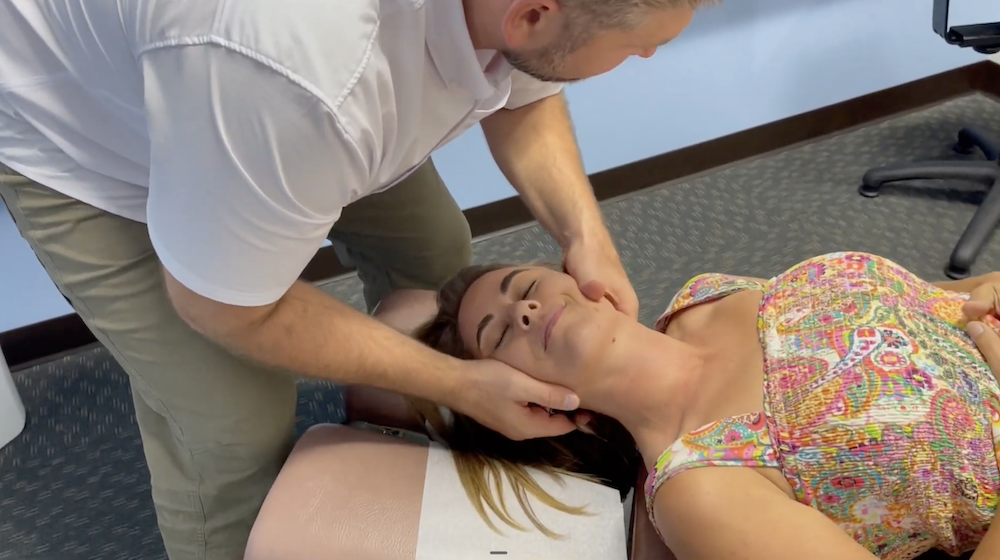
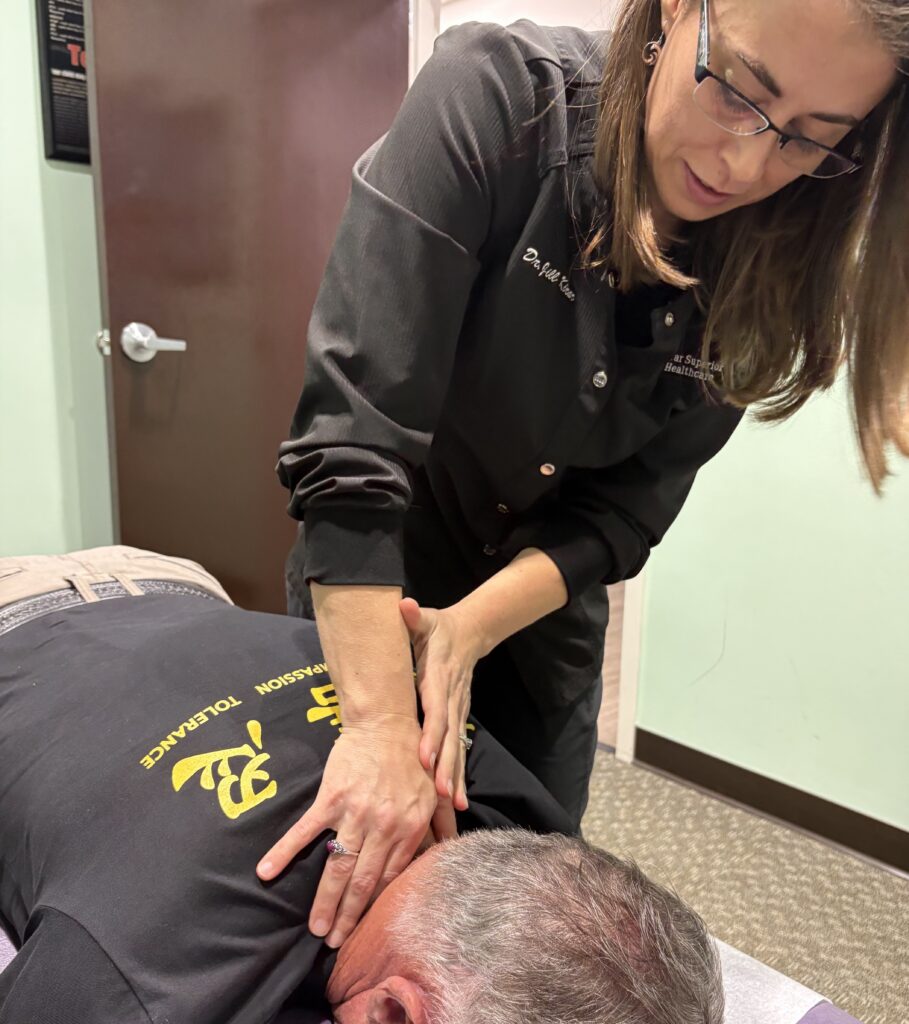
By visiting a chiropractor, you can receive personalized adjustments that realign your spine and promote optimal function. This not only alleviates pain but also supports your body’s natural ability to heal itself. Alongside chiropractic adjustments, there are simple practices you can incorporate into your daily routine to support better alignment.
Start by being mindful of your posture throughout the day. Whether you’re sitting at a desk or standing, make a conscious effort to keep your shoulders back and your spine straight. Consider setting reminders to check in with your posture regularly. Additionally, gentle stretches and movements can help to relieve tension and improve flexibility. Simple exercises like neck rolls, shoulder shrugs, and gentle back extensions can make a significant difference.
If you’re looking to further enhance your posture, think about your ergonomic setup at home or work. Adjusting your chair height, using lumbar support, and positioning your computer screen at eye level can help maintain proper alignment and reduce strain.
Remember, achieving optimal health and posture is a journey, and chiropractic care is a key component. By focusing on natural healing and wellness practices, you can take control of your health and feel your best. Start your journey to better alignment today!
Key Takeaways
- Start by practicing mindfulness to enhance your body awareness. This will help you notice when your posture is off and make it easier to correct it during your daily routines.
- Make stretching a regular part of your day. Focus on major muscle groups to relieve tightness and boost flexibility, which is essential for maintaining good posture.
- Incorporate deep breathing exercises into your routine. This simple practice improves oxygen flow and helps reduce tension in your chest and shoulders, allowing for a more relaxed posture.
- Take a moment to assess your workspace. An ergonomic setup is crucial. Ensure your chair and desk support your spine and encourage comfortable alignment while you work, which can significantly reduce strain.
- As a chiropractor, I encourage you to consider regular chiropractic care. This not only helps keep your spine aligned but also supports your overall posture improvement efforts, making it an excellent choice for natural wellness and pain relief. Remember, maintaining proper posture is a journey, and chiropractic care can be a vital part of that path to optimal health.
Understanding the Importance of Posture
As a chiropractor, I want to emphasize just how important your posture is for your overall health and well-being.
Many people don’t realize that good posture is more than just standing tall; it plays a vital role in keeping your spine aligned and allowing your muscles and joints to function at their best.
When you sit or stand correctly, you reduce unnecessary strain on your body, which can help prevent discomfort and long-term issues such as back pain or tension headaches.
One of the remarkable benefits of maintaining good posture is its positive effect on breathing and digestion.
When your body is properly aligned, your lungs can expand fully, allowing for better oxygen flow to your organs.
On the other hand, slouching or having poor alignment can compress your internal organs, leading to digestive problems.
This is where chiropractic care comes in – by ensuring your spine is properly aligned, we can support your body’s natural functions.
Additionally, you may find that good posture can enhance your confidence and mood.
Standing tall not only boosts your self-esteem but can also influence how others perceive you.
By prioritizing your posture, you’re investing in both your physical health and your mental well-being.
Here are some simple tips to help you improve your posture:
- Be mindful of your sitting position: When sitting, keep your feet flat on the ground, your back straight, and avoid crossing your legs. Consider using an ergonomic chair that supports your lower back.
- Take breaks: If you work at a desk, remember to get up and move around every hour to stretch and reset your posture.
- Strengthen your core: Incorporate exercises that strengthen your core muscles, as they play a crucial role in supporting your spine.
- Practice standing tall: Imagine a string pulling you from the top of your head to the ceiling. This visualization can help you align your body correctly.
- Seek chiropractic care: Regular adjustments from a chiropractor can help keep your spine aligned, reducing pain and enhancing your overall health.
By focusing on your posture and considering chiropractic care as a natural way to achieve optimal health, you can significantly improve your quality of life.
Mindful Practices for Better Alignment
To improve your posture and achieve optimal health, incorporating mindful practices can significantly enhance your well-being. As a chiropractor, I often emphasize the importance of aligning your body for better overall function. One effective way to do this is through focused breathing techniques. These practices can help you bring awareness to your body’s alignment and can be done anywhere—whether you’re at home or at work.
Stretching is another key aspect of maintaining flexibility and supporting your spine. Simple stretches can relieve tension and promote better posture. Remember, a flexible body is a more aligned body, which can help prevent pain and discomfort.
Mindfulness meditation is also a powerful tool that can support your journey toward better alignment. By taking a few minutes each day to meditate, you can cultivate awareness of your body and its needs, leading to better posture and reduced stress.
Chiropractic care is the cornerstone of achieving and maintaining optimal health. Regular adjustments can help ensure your spine is aligned, which not only alleviates pain but also enhances your overall wellness. It’s a natural way to support your body’s healing process without the need for medications or invasive procedures.
For practical tips, try integrating these mindful practices into your daily routine:
- Deep Breathing: Spend a few minutes each day focusing on your breath. Inhale deeply, allowing your abdomen to rise, and exhale slowly. This can help reduce tension in your body.
- Daily Stretching: Set aside time each day for gentle stretching. Focus on areas that may feel tight, such as your neck, shoulders, and back.
- Mindfulness Breaks: Take short breaks throughout your day to check in with your body. Notice your posture and make adjustments as needed.
- Chiropractic Visits: Make regular appointments with your chiropractor to ensure your spine is in alignment and to discuss any concerns you may have regarding your posture and overall health.
Breathing Techniques for Alignment
Incorporating mindful breathing techniques into your daily routine can significantly improve your posture and overall alignment, which is essential for spinal health. As a chiropractor, I often see how deep, intentional breaths can enhance your well-being. By activating your diaphragm through deep breathing, you improve oxygen flow while alleviating tension in your chest and shoulders—two areas that often carry stress.
To practice this, find a comfortable seated or standing position. Inhale deeply through your nose, allowing your abdomen to expand fully. Hold that breath for a moment, then exhale slowly through your mouth, letting your body relax with each breath. This simple exercise encourages you to be aware of your body’s position, helping you realign your spine naturally without strain.
Throughout your day, take a moment to check in with your posture. Even just a few minutes of focused breathing can work wonders in resetting your alignment. Remember, maintaining proper posture is key to preventing pain and discomfort. With consistent practice of these breathing techniques, you can experience lasting improvements in how you carry yourself.
Chiropractic care complements these techniques by ensuring your spine is aligned and functioning optimally. By focusing on natural healing and wellness, chiropractic can be your best choice for achieving and maintaining a pain-free, healthy lifestyle.
Stretching for Enhanced Flexibility
Stretching is a fundamental practice that not only enhances flexibility but also significantly improves posture and overall alignment. As a chiropractor, I often emphasize the importance of incorporating regular stretching into your daily routine. Tight muscles, particularly in areas like the shoulders, chest, and hips, can lead to poor posture and discomfort. By addressing these tight spots through simple stretching exercises, you can support your spine and overall well-being without the need for medications or invasive procedures.
Consider adding gentle stretches to your day, such as reaching for your toes or performing a gentle spinal twist. These movements can effectively relieve tension and increase mobility. It’s essential to hold each stretch for at least 15-30 seconds and to breathe deeply as you do so. This not only promotes relaxation but also enhances the benefits of the stretch.
Making stretching a regular habit can help you feel more limber and aligned, paving the way for better posture and reducing discomfort in the long run. Remember, chiropractic care is a powerful ally in your journey to optimal health. By combining regular chiropractic adjustments with stretching, you can achieve lasting relief and support your body’s natural alignment.
Embrace this holistic approach to wellness, and you’ll be on your way to a healthier, more balanced life.
Mindfulness Meditation Benefits
When most people think about improving their posture, they might consider physical exercises or stretches. However, mindfulness meditation can be an incredibly valuable tool in enhancing your spinal alignment and overall well-being from the inside out. By concentrating on your breath and becoming more aware of your body, you can create a stronger connection between your mind and spine.
This practice helps you recognize areas of tension or misalignment, allowing you to let go of physical stress that might be affecting your posture. As you meditate, you may notice your body naturally shifting into a more aligned position, which alleviates strain on your muscles and joints. Moreover, mindfulness increases your awareness of your body’s posture throughout the day, making it easier to maintain proper alignment during daily activities.
Incorporating mindfulness meditation into your routine not only supports your physical health but also promotes a sense of calm and relaxation. This can lead to greater confidence in how you carry yourself. Remember, while mindfulness is beneficial, regular chiropractic care is essential for addressing any underlying spinal issues and achieving optimal health.
A chiropractor can help you fine-tune your posture and provide personalized guidance on maintaining a healthy spine.
As you explore these practices, consider setting aside a few minutes each day for mindfulness meditation, and don’t hesitate to reach out to your chiropractor for tailored advice on posture and spinal health. Together, we can work towards a healthier, pain-free you!
Effective Exercises to Strengthen Your Core
Strengthening your core is vital for maintaining good posture and overall stability, which contributes to spinal health. A strong core not only supports your spine but also helps prevent slouching and reduces the risk of back pain. As a chiropractor, I want to share some effective exercises that can be easily incorporated into your daily routine for optimal health.
One of the best exercises for core strength is the plank. To perform a plank, start by lying face down. Then, lift your body onto your forearms and toes, ensuring that your body forms a straight line from your head to your heels. Aim to hold this position for 30 seconds, and as you build strength, gradually increase your hold time. This exercise helps stabilize your spine and engages your core muscles effectively.
Another excellent exercise is the bridge. Begin by lying on your back with your knees bent and feet flat on the floor. Lift your hips towards the ceiling while squeezing your glutes at the top, then lower your hips back down. Repeat this movement for 10-15 repetitions. The bridge not only strengthens your core but also promotes better alignment of the spine.
Don’t overlook the dead bug exercise! Lie on your back and raise your legs to a 90-degree angle. While keeping your core engaged, extend one arm and the opposite leg, then alternate sides. Aim for 10-12 repetitions. This exercise is fantastic for improving coordination and core stability, which can further support your spinal health.
Incorporating these simple exercises into your daily routine will help you develop a stronger core, improve your posture, and promote overall wellness. Remember, maintaining a strong core is a key factor in achieving optimal health, and chiropractic care can further enhance your experience by ensuring that your spine is properly aligned and functioning at its best. By focusing on natural healing and healthier living, you can empower your body to thrive.
Ergonomic Adjustments for Your Workspace
To maintain good posture while working and support your spine’s health, it’s essential to make some ergonomic adjustments in your workspace. As a chiropractor, I understand how important it’s for you to feel comfortable and pain-free throughout your day. Start by optimizing your desk height—your elbows should be at a 90-degree angle when typing. Ensure your chair offers proper support for your lower back; consider a chair that encourages a slight curve in your lumbar region. Position your monitor at eye level to avoid straining your neck.
These simple changes may seem minor, but they can greatly enhance your well-being and productivity. Remember, maintaining proper posture not only prevents discomfort but also supports your overall spinal health. If you’re experiencing pain, consider incorporating regular chiropractic care into your routine. Chiropractic adjustments can help alleviate discomfort and promote natural healing, allowing you to thrive in your daily activities. Prioritize your health by making these adjustments to your workspace and exploring the benefits of chiropractic care for a healthier, pain-free life.
Desk Height Optimization
Optimizing your desk height is crucial for maintaining good posture and supporting your spinal health throughout the workday. When your desk is at elbow height, it allows your arms to rest comfortably at your sides, reducing the risk of strain. While sitting, aim for your elbows to form a 90-degree angle, with your wrists straight when typing. If your desk is too high or low, you may experience discomfort in your neck and shoulders, which can lead to further issues.
Consider using adjustable desks or desk risers to find the ideal height for your workspace. When standing, make sure your monitor is at eye level to prevent the need to tilt your head up or down. This simple adjustment can significantly reduce fatigue and promote better spinal alignment.
A well-optimized workspace not only enhances comfort but also boosts your productivity, making it easier to focus on your tasks. Remember, incorporating good ergonomic practices is an essential part of caring for your body and spine. If you experience any discomfort, chiropractic care can be a natural and effective way to address pain and promote overall wellness. Regular chiropractic adjustments can help ensure that your spine remains aligned, supporting your health as you work.
Chair Support Features
While adjusting your desk height is crucial for your workspace, the chair you select significantly impacts your comfort and posture. An ergonomic chair can truly enhance your overall health and well-being. When choosing a chair, look for features such as adjustable seat height, lumbar support, and armrests. These elements allow you to customize the chair to fit your body better, promoting proper alignment and reducing strain on your spine.
Opt for a chair with a contoured seat that helps distribute your weight evenly, alleviating pressure points that can lead to discomfort or pain. It’s essential that your chair supports the natural curve of your lower back, as this is vital for spinal health. A chair that allows for tilt adjustments can also be beneficial, as it encourages you to shift positions throughout the day, keeping your body engaged and reducing stiffness.
Monitor Positioning Tips
Proper monitor positioning is crucial not just for reducing eye strain, but also for promoting good spinal health and posture during those long hours at your desk. As a chiropractor, I emphasize that how you set up your workspace can significantly impact your overall well-being. Start by placing your monitor about an arm’s length away; this distance encourages a more relaxed viewing experience and helps keep your spine in alignment.
The top of your screen should be at or slightly below eye level. This setup will help you avoid straining your neck, which can lead to discomfort and misalignment issues over time. Tilting your monitor back slightly can reduce glare, allowing for a more comfortable viewing angle and keeping your head aligned with your spine.
Investing in a screen that’s large enough to prevent squinting is also important. A larger screen allows you to maintain a healthier neck position, which is vital for spinal health. If you wear glasses, consider choosing lenses with an anti-reflective coating; this can help reduce eye strain further.
The Role of Stretching in Posture Improvement
Stretching is an essential practice for improving your posture, as it helps to relieve muscle tension and increase flexibility. As a chiropractor, I often see the positive impact that regular stretching can have on my patients’ spinal health and overall well-being.
By making stretching a part of your daily routine, you can combat the negative effects of poor posture and encourage a more aligned body. Here are some valuable benefits of stretching for posture improvement:
- Reduces muscle tightness: Stretching helps to loosen tight muscles that can lead to poor posture, allowing your body to settle into a more natural alignment.
- Enhances flexibility: Increased flexibility expands your range of motion, making it easier to maintain good posture throughout your daily activities.
- Strengthens core muscles: When you engage your core while stretching, you provide support to your spine, which is crucial for maintaining a healthy posture.
- Improves blood circulation: Stretching promotes better blood flow, aiding in muscle recovery and overall function, which is vital for your body’s health.
- Boosts awareness: Regular stretching encourages you to be mindful of your body’s positioning, helping you to correct poor posture habits throughout the day.
For optimal health and wellness, consider incorporating these simple stretching tips into your daily routine:
- Set a reminder: Schedule a few minutes each day for stretching, especially if you have a desk job or lead a sedentary lifestyle.
- Focus on major muscle groups: Target areas that commonly become tight, such as your neck, shoulders, and lower back.
- Practice gentle stretches: Use slow, controlled movements to avoid injury, and breathe deeply to enhance relaxation.
- Combine stretching with chiropractic care: Regular chiropractic adjustments can complement your stretching routine, helping to align your spine and improve your posture even further.
Incorporating Natural Remedies for Muscle Relief
After addressing muscle tightness through stretching, it’s essential to explore additional methods for relieving discomfort, particularly through natural remedies that complement chiropractic care. Natural approaches can be incredibly effective in easing muscle pain and promoting relaxation, enhancing your overall wellness.
Essential oils, like lavender and peppermint, are excellent for soothing sore muscles. You can easily use them at home by diluting a few drops with a carrier oil and massaging the mixture into the affected area. This gentle massage not only helps relieve tension but also promotes a sense of calm, which is beneficial for your spinal health.
Herbal teas, such as chamomile or ginger, are another great option. They can help reduce inflammation and promote relaxation, making them a perfect addition to your post-stretch routine. Sipping on these teas can also support your overall health and well-being.
A warm bath with Epsom salts can significantly relieve muscle tension. The magnesium in Epsom salts helps relax muscles and can enhance the effects of your chiropractic care. It’s a wonderful way to unwind after a long day.
Don’t forget about the benefits of heat and cold therapy. Applying a warm compress can soothe tight muscles, while an ice pack can reduce inflammation and provide immediate relief. These simple techniques can be easily integrated into your daily routine.
Lastly, staying hydrated is crucial for muscle function and overall health. Drinking plenty of water throughout the day supports your body’s natural processes and can help prevent muscle cramps and discomfort.
Conclusion
Improving your posture is a straightforward process that can have a profound impact on your spinal health. As a chiropractor, I want to emphasize that incorporating mindful practices, core-strengthening exercises, and ergonomic adjustments into your daily routine can lead to significant improvements in how you feel.
Start by being mindful of your posture throughout the day. Whether you’re sitting at your desk, standing, or even walking, awareness is key. Take a moment to check in with your body—are your shoulders back? Is your spine aligned? Little adjustments can make a big difference.
Core-strengthening exercises are essential for supporting your spine. Simple moves like planks, bridges, and pelvic tilts can help build the muscles that keep you upright. Remember, a strong core is your best ally when it comes to maintaining good posture.
Don’t overlook the importance of ergonomics in your workspace. Adjust your chair, desk, and computer screen so that everything is at the right height. Your feet should be flat on the ground, and your screen should be at eye level to prevent straining your neck.
Incorporating gentle stretches into your routine can also help alleviate muscle tension that often leads to poor posture. Try stretching exercises for your neck, shoulders, and back to keep your muscles relaxed and flexible.
Additionally, consider natural remedies for muscle relief such as heat therapy, essential oils, or even a visit to your chiropractor. Chiropractic care is an excellent choice for addressing pain and discomfort, as it focuses on natural healing and maintaining spinal alignment. Your chiropractor can provide tailored adjustments and advice to help you achieve optimal health.
By integrating these simple strategies into your daily life, you’ll not only enhance your posture but also improve your overall well-being. Start today, and let your body feel the benefits of good alignment and natural care!