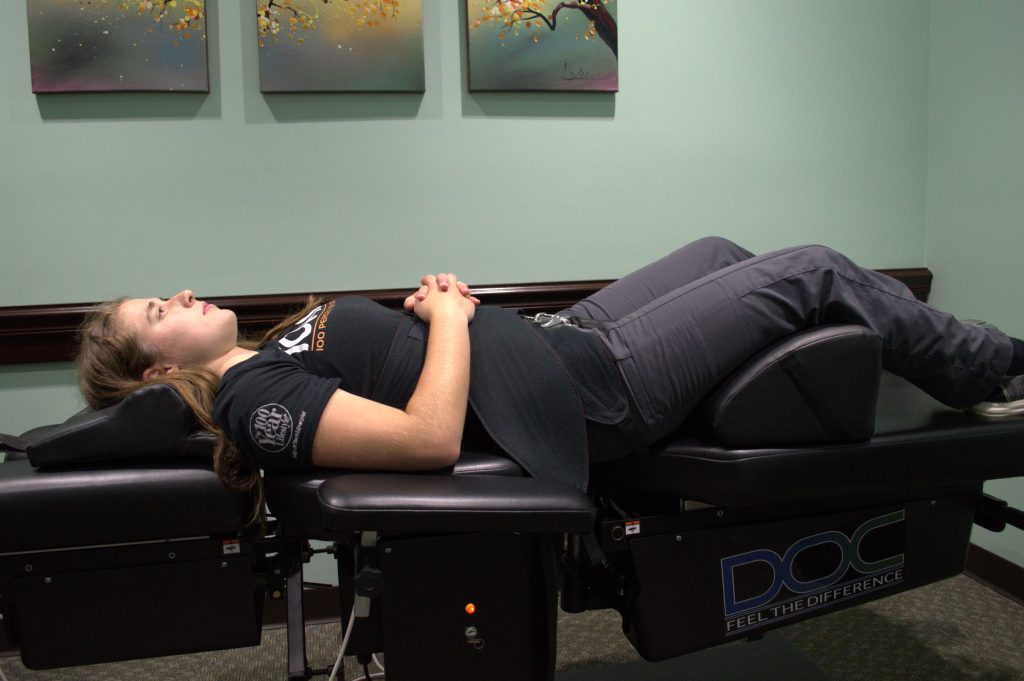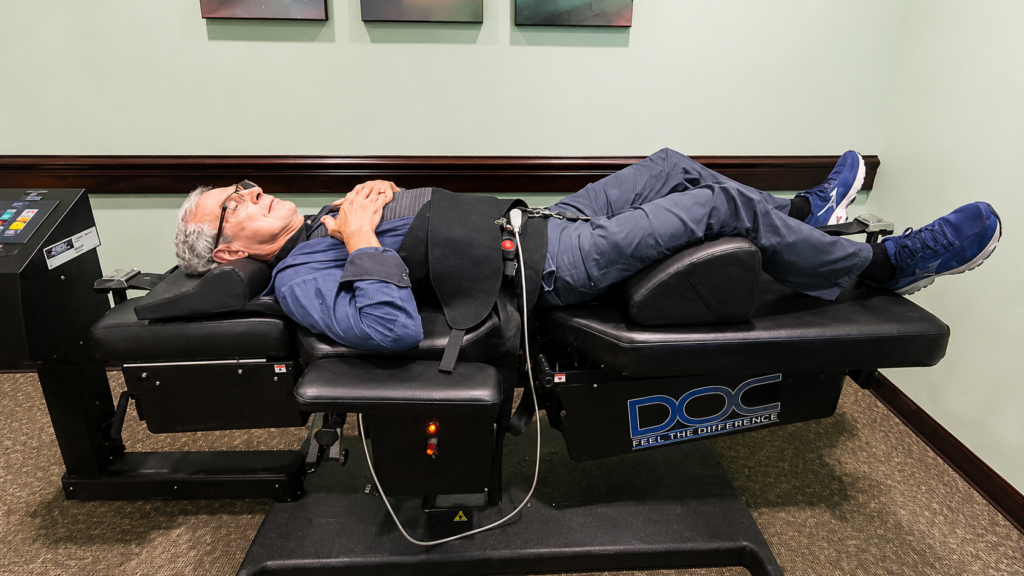

If you’re experiencing anxiety, you might be surprised to learn how chiropractic care can contribute to your relief. By focusing on the vital connection between your mind and body, chiropractic adjustments can help reduce stress and promote a sense of overall well-being. Here are some practical tips to enhance your experience with chiropractic care for anxiety management:
- Regular Visits: Make chiropractic adjustments a regular part of your wellness routine. Consistent care can help keep your spine in alignment, which is essential for optimal nervous system function.
- Communicate Openly: Share your anxiety symptoms with your chiropractor. This information can help them tailor your treatments to better address your specific needs.
- Incorporate Relaxation Techniques: Pair chiropractic adjustments with relaxation techniques such as deep breathing exercises or meditation. This combination can enhance the calming effects of your treatment.
- Stay Active: Engage in regular physical activity. Gentle exercises like yoga or walking can complement chiropractic care by reducing tension and promoting relaxation.
- Maintain a Healthy Diet: Nutrition plays a crucial role in your overall health. Eating a balanced diet rich in whole foods can support your body’s natural healing processes.
- Practice Good Posture: Be mindful of your posture, whether sitting or standing. Proper alignment can help minimize physical stress, which can contribute to anxiety.
- Hydrate: Drinking enough water is essential for your body’s function and can help reduce feelings of stress. Aim for at least eight glasses a day.
- Get Quality Sleep: Prioritize restful sleep. A well-rested body and mind are better equipped to handle stress and anxiety.
- Limit Caffeine and Sugar: Both caffeine and sugar can heighten anxiety levels. Consider reducing your intake to maintain a calmer state.
- Stay Positive: Surround yourself with positive influences and engage in activities that bring you joy. A positive mindset can significantly impact your stress levels.
By incorporating these tips into your routine alongside chiropractic care, you can create a powerful approach to managing anxiety naturally. Remember, your chiropractor is here to support you on your journey to optimal health and wellness!
Key Takeaways
- Regular chiropractic adjustments are essential for improving spinal alignment. A well-aligned spine enhances communication between your brain and body, which can significantly reduce feelings of anxiety and promote a sense of calm.
- During your chiropractic sessions, try incorporating deep breathing techniques. This simple practice can help you relax further and make your treatment even more effective.
- It’s important to share any specific anxiety-related concerns with your chiropractor. This way, they can customize your treatment plan to ensure you receive the best possible relief tailored to your needs.
- Pay attention to your posture throughout the day. Maintaining good posture and engaging in postural training can help alleviate muscle tension, which often contributes to anxiety symptoms.
- Establishing a consistent chiropractic care routine is vital. Regular visits will support your nervous system’s function and provide ongoing relief from stress, helping you feel more balanced and grounded.
By embracing chiropractic care, you’re choosing a natural path to healthier living, free from the need for surgeries or medications. Remember, your journey to optimal health begins with the power of your spine!
Understanding the Mind-Body Connection
At the heart of anxiety relief lies a crucial connection between your mind and body, something that chiropractic care can significantly support. When you feel anxious, your body often responds with physical symptoms, such as muscle tension and an increased heart rate. By understanding this mind-body connection, you can better manage those feelings and promote overall wellness.
Your thoughts and emotions have a profound impact on your physical health. For example, stress can lead to poor posture, which may cause discomfort and exacerbate your anxiety. This is where chiropractic care comes in. By addressing spinal alignment and tension in your body, chiropractic adjustments can help alleviate physical symptoms of anxiety, allowing you to feel more relaxed and grounded.
Incorporating chiropractic care into your wellness routine not only helps with pain relief but also supports your body’s natural healing processes. Here are a few tips to enhance your well-being:
- Regular Chiropractic Visits: Make it a habit to see your chiropractor regularly. This will help keep your spine aligned and reduce tension, which can ease anxiety.
- Mindful Posture: Be aware of your posture throughout the day. Sitting or standing up straight can help relieve unnecessary tension in your body.
- Breathing Exercises: Practice deep breathing to calm your mind. This can be done easily during your chiropractic sessions or at home.
- Stay Active: Engage in regular physical activity. Exercise can help release endorphins, improving your mood and reducing anxiety.
- Holistic Approach: Consider incorporating other natural wellness practices, such as yoga or meditation, alongside your chiropractic care.
How Chiropractic Adjustments Alleviate Stress
Chiropractic adjustments can truly transform the way you manage stress in your daily life. By focusing on enhancing your nervous system, relieving muscle tension, and promoting better sleep, these adjustments empower you to feel more balanced and at ease. Let’s dive into how each of these vital elements contributes to your overall stress relief and wellness.
First, chiropractic care plays a significant role in regulating your nervous system. When your spine is properly aligned, it allows your body to communicate more effectively. This improved communication helps your body respond better to stressors, making it easier to remain calm and composed in challenging situations.
Next, let’s talk about muscle tension. Many of us carry stress in our muscles, leading to tightness and discomfort. Chiropractic adjustments can release this tension, allowing your body to relax. You’ll likely notice that after a session, you feel lighter and more at ease, which significantly contributes to your overall stress levels.
Finally, quality sleep is crucial for managing stress, and chiropractic adjustments can help improve your sleep patterns. When your spine is aligned, and your body is functioning optimally, you’re more likely to experience restful nights. A good night’s sleep is essential for rejuvenation and helps you tackle the day’s challenges with a clearer mind.
Incorporating regular chiropractic care into your wellness routine is one of the best choices you can make for natural stress relief. Additionally, here are some simple tips to enhance your stress management:
- Stay Active: Regular physical activity, like walking or stretching, can help release built-up tension in your body.
- Practice Deep Breathing: Taking a few minutes each day to breathe deeply can calm your mind and reduce stress.
- Prioritize Sleep: Establishing a bedtime routine can promote better sleep quality and overall wellness.
- Stay Hydrated: Drinking plenty of water aids in maintaining energy levels and helps your body function optimally.
Nervous System Regulation
Many people think of chiropractic care mainly as a way to relieve physical pain, but it offers so much more—especially when it comes to supporting the nervous system and reducing stress. If your spine is misaligned, it can interfere with the communication between your brain and body, which may lead to increased anxiety. By getting regular chiropractic adjustments, you can help realign your spine, which promotes better nerve function and communication throughout your body.
When your nervous system is functioning optimally, your body is better equipped to handle stress. This can lead to a significant decrease in feelings of anxiety. Plus, chiropractic adjustments can activate the parasympathetic nervous system, which is responsible for helping your body relax and recover.
By focusing on nervous system regulation through chiropractic care, you’re not only addressing physical discomfort, but you’re also fostering a more balanced emotional state. This makes it easier to cope with daily stressors.
Here are some simple tips to enhance your wellness journey:
- Stay Active: Regular movement helps keep your spine healthy and supports overall body function. Even light exercises like walking or stretching can be beneficial.
- Maintain Good Posture: Pay attention to your posture while sitting, standing, or using electronic devices. Good posture can help prevent misalignments.
- Stay Hydrated: Drinking enough water is essential for maintaining healthy nerve function and overall wellness.
- Prioritize Sleep: Quality sleep is vital for your body to heal and recover. Aim for 7-9 hours of restful sleep each night.
- Regular Chiropractic Visits: Make chiropractic care a part of your routine. Regular adjustments can help keep your spine aligned and your nervous system functioning optimally.
Muscle Tension Release
When your nervous system is in balance, it can significantly lower your body’s tension levels and promote a sense of well-being. As a local chiropractor, I want to emphasize how chiropractic adjustments can help you manage stress and relieve muscle tension that builds up from everyday life. By focusing on specific muscle groups, chiropractic care promotes relaxation and restores your body’s natural function.
Here’s a simple breakdown of different chiropractic techniques and their benefits:
| Adjustment Type | Benefits |
|---|---|
| Spinal Manipulation | Reduces tension in the spine |
| Soft Tissue Therapy | Eases tightness in muscles |
| Stretching Techniques | Increases flexibility |
| Postural Training | Corrects misalignment |
| Stress Relief Techniques | Promotes overall relaxation |
Incorporating these adjustments into your routine can lead to significant relief from anxiety and elevate your overall wellness. You’ll feel lighter and more at ease, helping you tackle life’s challenges with a sense of calm.
Here are some practical tips you can use to enhance your well-being:
- Stay Active: Regular physical activity can help reduce muscle tension and improve your mood. Simple activities like walking or yoga can make a big difference.
- Practice Good Posture: Being mindful of your posture can prevent misalignments and reduce strain on your muscles. When sitting, keep your back straight and shoulders relaxed.
- Hydrate: Drinking plenty of water helps keep your muscles hydrated and functioning properly. Aim for at least eight glasses a day.
- Take Breaks: If you’re sitting for long periods, take short breaks to stretch and move around. This can help alleviate tension and maintain flexibility.
- Breathe Deeply: Practicing deep breathing techniques can help calm your mind and body, reducing stress levels.
Improved Sleep Quality
Sleep can often be elusive, especially when stress and tension take over your mind and body.
As a local chiropractor, I want to share how chiropractic adjustments can help you achieve better sleep quality naturally. Here’s how chiropractic care can make a difference:
- Reduces Muscle Tension: Chiropractic adjustments help relieve tight muscles, allowing your body to relax more easily. When your muscles are relaxed, it becomes much easier to fall asleep and stay asleep.
- Improves Nervous System Function: A well-aligned spine enhances communication between your brain and body. This improved connection can help lower anxiety levels, making it easier to unwind at night.
- Balances Hormones: Chiropractic care can help regulate stress hormones in your body. By promoting a balanced hormonal state, you can achieve a calmer mind, which is essential for a restful night’s sleep.
- Enhances Blood Flow: Better circulation through chiropractic adjustments promotes relaxation and comfort, making it easier for you to drift off into a deep sleep.
In addition to chiropractic care, here are some general tips to improve your sleep quality:
- Establish a Routine: Going to bed and waking up at the same time each day can help regulate your body’s internal clock.
- Create a Calming Environment: Make your bedroom a peaceful space that encourages sleep – consider dimming the lights and keeping the room cool.
- Limit Screen Time: Try to avoid screens at least an hour before bed to reduce blue light exposure, which can interfere with your sleep.
- Practice Relaxation Techniques: Incorporate activities like deep breathing, meditation, or gentle stretching into your bedtime routine to help ease your mind.
By prioritizing chiropractic care and these simple lifestyle changes, you can improve your sleep quality and overall well-being.
Incorporating Regular Chiropractic Visits
Regular chiropractic visits can significantly boost your overall health and wellness, especially when it comes to managing anxiety. By making these appointments a priority, you open the door to consistent relief from tension and stress. Chiropractic adjustments help align your spine, which can enhance the function of your nervous system and promote a deeper sense of relaxation.
I recommend scheduling visits every few weeks, or following the guidance of your chiropractor. These regular sessions not only support your spinal health but also establish a routine that encourages mindfulness and self-care.
It’s important to share any specific anxiety-related concerns with your chiropractor; they can customize your treatments to address your individual needs. As you build a trusting relationship with your chiropractor, you’ll likely feel more at ease discussing how anxiety impacts your life.
Over time, these visits can greatly enhance your mental and emotional well-being, empowering you to manage anxiety more effectively. Remember, chiropractic care is a natural and holistic approach to achieving optimal health. Embrace this journey toward wellness, and don’t hesitate to reach out for support in your path to a healthier, more balanced life.
The Role of Posture in Anxiety Management
Your posture plays a crucial role in managing anxiety, often in ways you mightn’t even notice. When your spine is misaligned, it can lead to increased tension and stress, which can exacerbate feelings of anxiety. However, by improving your posture, you can enhance your breathing, boost your confidence, and promote a more relaxed state of mind.
As a chiropractor, I want to emphasize that maintaining proper spinal alignment is key to achieving optimal health and wellness. When your spine is aligned, your nervous system functions better, allowing your body to handle stress more effectively.
Here are some simple tips to improve your posture and help manage anxiety:
- Mind Your Sitting Position: When sitting, ensure your back is straight, shoulders are relaxed, and feet are flat on the floor. Consider using a chair that supports your lower back.
- Stand Tall: When standing, distribute your weight evenly on both feet, keep your shoulders back, and engage your core. This not only helps your posture but also instills a sense of confidence.
- Take Breaks: If you work at a desk, take regular breaks to stretch and move around. This can help relieve tension and reset your posture.
- Practice Deep Breathing: Good posture allows for better lung expansion. Try taking deep breaths while maintaining an upright position to promote relaxation.
- Consider Chiropractic Care: Regular chiropractic adjustments can help maintain spinal alignment, reduce tension, and ultimately support your overall mental and physical health.
Impact of Poor Posture
Although often overlooked, poor posture can significantly affect your mental well-being, leading to increased anxiety levels. When you slouch or hunch over, it can influence your mood and stress response. Here are a few ways poor posture may impact your anxiety and how chiropractic care can help:
- Breathing difficulties: Slouching restricts your diaphragm, resulting in shallow breathing, which can heighten feelings of anxiety. Regular chiropractic adjustments can help align your spine, promoting better posture and enhancing your breathing.
- Increased tension: Poor posture often leads to muscle tension, causing discomfort and a sense of unease. Chiropractic care addresses misalignments in your spine, helping to relieve tension and promoting relaxation throughout your body.
- Negative self-image: Hunched shoulders can diminish your confidence, further exacerbating anxious feelings. By improving your posture through chiropractic adjustments, you can enhance your self-image and boost your overall mood.
- Energy drain: Struggling to maintain poor posture can leave you feeling fatigued, making anxiety harder to manage. Chiropractic care can help restore your body’s natural alignment, allowing you to feel more energetic and engaged in daily activities.
To further support your mental well-being, here are some simple tips you can incorporate into your daily routine:
- Practice good posture: Be mindful of your posture throughout the day. Keep your shoulders back and your spine straight. Consider setting reminders to check your posture regularly.
- Take breaks: If you work at a desk, make sure to take regular breaks to stand up, stretch, and move around. This can help alleviate tension and promote better posture.
- Engage in physical activity: Regular exercise strengthens your muscles, improving your posture and overall health. Activities like yoga or Pilates can be especially beneficial for enhancing body awareness and alignment.
By prioritizing your posture and considering chiropractic care, you can take proactive steps toward managing anxiety and achieving optimal health naturally.
Improving Spinal Alignment
Enhancing Spinal Alignment for Anxiety Relief
Improving your spinal alignment can significantly influence your ability to manage anxiety. When your spine is aligned correctly, it not only supports your physical health but also contributes to your mental well-being by reducing tension and stress. Maintaining good posture allows your body to work at its best, which can help foster relaxation and mental clarity.
Here’s a simple breakdown of how spinal alignment can help with anxiety:
| Aspect | Effect on Anxiety |
|---|---|
| Spinal Alignment | Reduces physical tension |
| Good Posture | Enhances confidence |
| Nervous System Function | Promotes a sense of calm |
| Overall Well-being | Boosts mood and builds resilience |
Tips for Improving Spinal Alignment:
- Practice Good Posture: Whether you’re sitting at a desk or standing, keep your back straight and shoulders relaxed. This simple change can make a big difference.
- Strengthen Core Muscles: Engaging in exercises that strengthen your core can provide better support for your spine and improve your posture.
- Stay Active: Regular physical activity, such as walking, yoga, or swimming, can help keep your spine healthy and aligned.
- Consider Chiropractic Care: Regular chiropractic adjustments can help maintain proper spinal alignment, which is crucial for overall health. Your chiropractor can provide personalized care to address any misalignments and enhance your well-being.
- Be Mindful of Your Body: Pay attention to how you feel throughout the day. If you notice tension building up, take a moment to stretch or adjust your posture.
Breathing and Body Language
While many people mightn’t realize it, the way you carry your body can significantly impact your anxiety levels, and this is closely tied to your spinal health. Your posture not only affects how others perceive you but also plays a crucial role in how you feel internally.
As a chiropractor, I want to share some tips on adjusting your body language for better anxiety management, which can also enhance your overall wellness:
- Stand Tall: Maintaining an upright posture with your shoulders back and head held high can do wonders for your mood. A strong posture not only reflects confidence but also promotes proper spinal alignment, which is key to reducing discomfort and stress.
- Breathe Deeply: Engaging in slow, deep breaths helps calm your nervous system. As you inhale deeply, imagine filling your lungs with positive energy and releasing tension with each exhale. This practice can also support your spine by ensuring your diaphragm is functioning well.
- Relax Your Hands: Instead of clenching your fists, keep your hands relaxed and open at your sides. Tension in your hands can contribute to overall body stress, so allow them to rest naturally. Good alignment starts from the fingertips up through your spine!
- Smile Genuinely: Even a small smile can trick your brain into feeling more relaxed. This simple action can help release endorphins, which promote a sense of well-being and can ease tension throughout your body.
By incorporating these practices into your daily routine, you can help manage anxiety while also fostering a healthier spine and body. Remember, chiropractic care is an excellent option for supporting your journey towards optimal health and natural wellness.
If you’re looking for personalized guidance, don’t hesitate to reach out to your local chiropractor for support!
Breathing Techniques to Enhance Chiropractic Benefits
Incorporating breathing techniques into your chiropractic care can significantly enhance the benefits you experience during your sessions. Focusing on your breath not only promotes relaxation but also helps to reduce anxiety, allowing you to fully embrace the healing process.
One effective method to try is deep abdominal breathing. Simply inhale slowly through your nose, letting your abdomen expand, and then exhale gently through your mouth. This practice calms your mind and helps your body to respond more effectively to chiropractic adjustments.
Another valuable technique is mindful breathing. As you lie on the chiropractic table, pay close attention to each breath. Let go of any tension or distractions that may be lingering in your mind. This mindfulness not only deepens your awareness of your body but also makes you more attuned to the adjustments you’re receiving, enhancing your overall experience.
By combining these breathing techniques with your chiropractic sessions, you create a holistic approach to wellness and anxiety relief. You may notice that your body feels more receptive to the adjustments, allowing you to fully benefit from the natural healing power of chiropractic care.
Nutrition’s Impact on Mental Health
When it comes to mental health, what you eat can significantly impact how you feel. A balanced diet not only nourishes your body but also supports brain function and emotional well-being. As a chiropractor, I believe in a holistic approach to health that emphasizes natural healing and wellness.
Here are four key nutritional tips to support your mental health while also highlighting the importance of chiropractic care in achieving optimal health:
- Omega-3 Fatty Acids: Incorporating foods such as fish, flaxseeds, and walnuts into your diet can help reduce symptoms of anxiety and depression. These healthy fats are vital for brain health and can work alongside chiropractic care to enhance your overall well-being.
- Whole Grains: Eating whole grains like brown rice and oats can help stabilize your blood sugar levels, which promotes mood stability and sustained energy throughout the day. By maintaining balanced energy levels, you may experience reduced stress, allowing your body to respond better to chiropractic adjustments.
- Fruits and Vegetables: These foods are packed with vitamins and antioxidants that combat oxidative stress and inflammation—factors that can negatively impact your mood. A diet rich in colorful fruits and vegetables can enhance the benefits of chiropractic care by supporting your body’s natural healing processes.
- Fermented Foods: Including yogurt, kimchi, and sauerkraut in your meals can improve gut health. A healthy gut is linked to better mental health through the gut-brain connection. By supporting your gut, you may find that your chiropractic care is even more effective, as a balanced gut can help reduce discomfort and promote relaxation.
Incorporating these nutritional tips into your daily routine can enhance your mental health and work in harmony with chiropractic care. Remember, achieving optimal health is a journey, and small changes in your diet can lead to significant improvements in your overall well-being. Always consult with your chiropractor for personalized advice and to learn how chiropractic adjustments can further support your path to health and wellness.
Utilizing Relaxation Techniques During Adjustments
During your chiropractic adjustments, using relaxation techniques can significantly enhance your experience and overall well-being.
By incorporating simple breathing exercises and visualization strategies, you can create a peaceful atmosphere that helps to reduce tension in your body. This calming approach not only allows you to relax more deeply but can also make your chiropractic adjustments even more effective.
Here are some easy tips to help you make the most of your adjustments:
- Deep Breathing: Before your appointment, take a few moments to practice deep breathing. Inhale slowly through your nose, allowing your belly to expand, and then exhale gently through your mouth. This can help calm your mind and prepare your body for the adjustment.
- Visualization: Picture a serene place that makes you feel safe and relaxed, like a beach or a quiet forest. As you visualize this space, focus on the sounds, smells, and sensations to help ease any anxiety or tension.
- Stay Present: During your adjustment, try to keep your mind focused on the moment. Let go of any distractions and simply concentrate on how your body feels. This mindfulness can enhance the effectiveness of the treatment.
- Communicate: Don’t hesitate to share your feelings or concerns with your chiropractor. Open communication can help them tailor the adjustment to your needs, ensuring you feel comfortable and secure.
By utilizing these relaxation techniques, you can maximize the benefits of chiropractic care, which is a natural and effective way to alleviate pain and promote overall wellness.
Breathing Exercises Implementation
Enhancing Your Chiropractic Experience with Breathing Exercises
As a local chiropractor, I’m here to guide you on your journey to optimal health through the power of natural healing. One often overlooked aspect of chiropractic care is how breathing exercises can significantly enhance your adjustments.
By incorporating simple breathing techniques into your sessions, you can create a calming environment that complements the benefits of chiropractic care. Here are four easy ways to implement breathing exercises during your visits:
- Deep Breaths: Before your adjustment, take a moment to breathe slowly and deeply. This helps calm your mind and relax your body, setting the stage for a more effective chiropractic session.
- Count Your Breaths: Try this simple rhythm: inhale for a count of four, hold for four, and then exhale for four. This technique not only calms your nerves but also encourages a sense of control and relaxation.
- Focus on Exhalation: As you exhale, consciously release any tension in your body. This practice allows you to let go of stress and prepare for the healing adjustments to come.
- Practice Mindfulness: During your adjustment, concentrate on your breath. Staying present and aware can enhance your experience and make the treatment more effective.
By integrating these breathing techniques into your chiropractic visits, you can create a more peaceful and beneficial experience. Remember, the goal of chiropractic care is to promote natural wellness and pain relief, allowing your body to function at its best.
Embrace these tips and enjoy the journey toward a healthier, happier you!
Visualization Strategies Utilization
Incorporating visualization strategies into your chiropractic sessions can significantly enhance your overall experience and promote relaxation. By imagining calming scenes or positive outcomes, you can effectively reduce anxiety during your adjustments. Here are some simple yet effective visualization techniques to try during your next visit, helping you to feel more at ease and open to the benefits of chiropractic care:
| Visualization Technique | Description |
|---|---|
| Nature Imagery | Picture yourself in a peaceful forest or by a tranquil beach, letting the sounds and sights of nature soothe you. |
| Color Visualization | Imagine a warm, soothing color wrapping around you, creating a sense of calm and safety. |
| Positive Affirmations | Visualize your body healing and regaining strength, reinforcing a positive mindset about your recovery. |
| Guided Imagery | Follow a mental script or story that leads you into a state of relaxation, allowing your mind to let go of tension. |
| Future Success | Envision yourself feeling great and energized after your adjustment, reinforcing your belief in the healing process. |
Utilizing these strategies can help you cultivate a peaceful mindset, making your chiropractic adjustments more effective. By focusing on positive imagery and relaxation, you can enhance your body’s natural healing abilities. Remember, chiropractic care is a powerful way to achieve optimal health and wellness—embrace the power of your imagination for a more tranquil and beneficial experience. Your journey towards a pain-free life starts with a positive mindset!
The Benefits of Exercise and Chiropractic Care
While many people turn to chiropractic care for relief from physical discomfort, combining it with regular exercise can significantly boost your overall health and wellness. By incorporating both chiropractic adjustments and physical activity into your daily routine, you can enjoy numerous benefits that not only alleviate pain but also enhance your quality of life. Here are four key advantages of this powerful duo:
- Improved Flexibility: Regular exercise keeps your muscles flexible, which can make chiropractic adjustments more effective. Stretching and strengthening your muscles can help maintain your spine’s alignment and prevent future discomfort.
- Enhanced Mood: Engaging in physical activity releases endorphins, the body’s natural mood elevators. This can help reduce feelings of anxiety and stress, allowing you to enjoy a more balanced and positive outlook on life.
- Better Posture: Chiropractic care focuses on correcting misalignments in your spine, while exercise strengthens your core muscles. Together, they work to improve your posture, which in turn reduces physical stress on your body and promotes a healthier spine.
- Increased Energy: Regular movement and exercise can boost your energy levels, making it easier for you to tackle daily tasks and reduce feelings of fatigue. This increased energy can also help you stay active and engaged, further supporting your overall wellness.
As a chiropractor, I encourage you to embrace both chiropractic care and exercise as essential components of a healthy lifestyle. Remember to listen to your body, stay hydrated, and take breaks when needed.
Small, consistent efforts can lead to significant improvements in your health and well-being. Together, let’s work towards a pain-free and vibrant life!
Exploring Additional Therapies Alongside Chiropractic
As your local chiropractor, I’m excited to share how you can enhance your wellness journey alongside chiropractic care. Chiropractic adjustments are designed to align your spine and improve your overall health, but there are additional natural practices you can incorporate to support your body’s healing process.
One excellent complement to your chiropractic treatments is acupuncture. This ancient practice can help relieve tension and restore your body’s energy balance. Just like chiropractic care, acupuncture focuses on promoting the body’s natural ability to heal itself.
Massage therapy is another beneficial addition. It can help reduce muscle tightness and promote relaxation, which may alleviate stress and anxiety. When your muscles are relaxed, it allows your chiropractic adjustments to take effect more effectively.
Mindfulness practices such as meditation and yoga are also great ways to connect with your body. These techniques can help calm your mind, reducing anxiety and improving your overall mental health. They encourage you to be present and aware, which can further enhance the benefits of chiropractic care.
Don’t forget the importance of nutrition in your wellness journey. Eating a balanced diet that includes plenty of fruits, vegetables, and healthy fats can support your mood and overall mental health. Omega-3 fatty acids, found in fish and nuts, are particularly known for their mood-boosting properties.
Lastly, consider finding community support through groups or talking with someone about your feelings. Having emotional outlets can be incredibly beneficial as you navigate your wellness journey.
Creating a Personalized Anxiety Management Plan
To effectively manage anxiety and promote your overall well-being, creating a personalized plan that embraces the benefits of chiropractic care is essential. Chiropractic adjustments not only help relieve physical tension but can also enhance your body’s ability to handle stress and anxiety.
Here’s a simple four-step guide to help you build your own anxiety management plan:
- Identify Triggers: Start by keeping a journal to understand what situations or thoughts make your anxiety worse. Recognizing these triggers is the first step toward managing them effectively.
- Set Goals: Think about what you want to achieve with your anxiety management plan. Whether it’s reducing anxiety levels or simply feeling more balanced in your daily life, setting clear goals will help you stay focused.
- Incorporate Relaxation Techniques: Pair your chiropractic care with relaxation methods like deep breathing exercises, meditation, or gentle yoga. These practices can help calm your mind and complement the physical benefits of chiropractic adjustments.
- Schedule Regular Check-Ins: Regular visits to your chiropractor are crucial for monitoring your progress. Your chiropractor can help you adjust your plan as needed, ensuring you stay on track to achieving your wellness goals.
Conclusion
Integrating chiropractic care into your routine for anxiety relief can significantly improve your overall health and well-being. By embracing the mind-body connection and focusing on regular spinal adjustments, maintaining good posture, and practicing deep breathing techniques, you can effectively manage stress and anxiety levels.
Chiropractic care not only promotes relaxation but also helps to optimize your nervous system, which plays a crucial role in how your body responds to stress. By keeping your spine aligned and your body balanced, you create a solid foundation for better mental health.
To enhance your journey towards anxiety relief, consider pairing chiropractic care with regular exercise, balanced nutrition, and mindfulness practices. These elements work together to support your body and mind, creating a holistic approach to wellness.
It’s essential to customize your anxiety management plan to suit your unique needs, ensuring that you address any specific concerns you may have. Remember, you’re not alone in this process—support and relief are just a chiropractic visit away, guiding you towards a healthier, more balanced life. Embrace the natural healing power of chiropractic care and take the first step towards optimal health today!