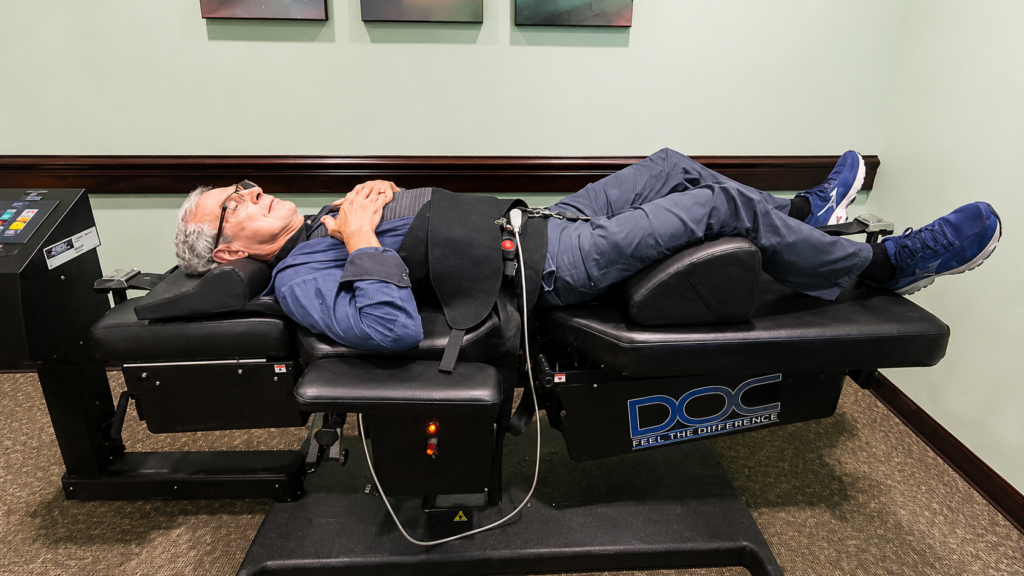

If you’re one of the millions dealing with chronic migraines, you understand just how debilitating they can be. In 2025, the approach to managing these headaches is evolving, and there’s a growing emphasis on natural methods, particularly through chiropractic care. Advances in spinal health and personalized care are leading the way to new strategies that can help alleviate your pain and enhance your overall wellness.
Chiropractic care focuses on the relationship between your spine and nervous system, and how this connection can impact your health. By ensuring your spine is properly aligned, you can relieve tension and reduce the frequency and severity of migraines. This gentle, non-invasive approach allows your body to heal naturally, without the need for medications or surgeries.
So, what does this mean for you? Here are some tips and tricks you can incorporate into your daily routine to help manage migraines and improve your health:
- Regular Chiropractic Adjustments: Regular visits to a chiropractor can help maintain spinal alignment, reduce muscle tension, and promote overall well-being.
- Stay Hydrated: Dehydration can trigger migraines, so make sure you’re drinking enough water throughout the day.
- Maintain a Healthy Diet: Eating a balanced diet rich in fruits, vegetables, and whole grains can provide your body with the nutrients it needs. Certain foods may trigger migraines, so keep a food diary to identify any potential culprits.
- Manage Stress: Stress is a common trigger for migraines. Engage in relaxation techniques such as deep breathing, meditation, or yoga to help manage stress levels.
- Get Enough Sleep: Aim for consistent sleep patterns and try to get at least 7-8 hours of quality sleep each night. Sleep deprivation can contribute to migraine attacks.
- Exercise Regularly: Incorporating regular physical activity into your routine can help reduce the frequency of migraines. Choose activities that you enjoy, such as walking, swimming, or cycling.
- Posture Awareness: Poor posture can contribute to tension headaches and migraines. Be mindful of your posture, especially when sitting for long periods, and consider ergonomic adjustments to your workspace.
By focusing on these natural approaches and prioritizing chiropractic care, you can take proactive steps toward reclaiming your life from chronic migraines. Let’s explore these possibilities together and work towards a healthier, pain-free future!
Key Takeaways
Unlocking Relief: Chronic Migraines in 2025
If you’re struggling with chronic migraines, it’s crucial to understand that effective relief often comes from a holistic approach. As a local chiropractor, I believe that tailored management plans that include chiropractic care, simple lifestyle changes, and smart dietary choices can significantly improve your quality of life.
One of the best ways to tackle migraines is by keeping track of your triggers. Consider using a diary or wearable device to note when your migraines occur and what might have caused them. This information can help you develop a personalized treatment strategy that works best for you.
Regular chiropractic adjustments are essential for maintaining proper spinal alignment. When your spine is aligned, your nervous system functions better, which can lead to fewer and less intense migraines. Think of it as giving your body the support it needs to heal naturally.
Don’t forget the basics! Good sleep, staying hydrated, and incorporating regular exercise into your routine are all vital in preventing migraines and promoting overall health. These simple habits can make a world of difference in how you feel.
Lastly, consider adding anti-inflammatory foods to your diet. Foods like leafy greens, fatty fish, and nuts can help reduce migraine triggers and support your brain health. Making these small changes can lead to significant improvements in your overall wellness.
Remember, chiropractic care is a natural and effective way to manage your migraines. By focusing on your spine and overall health, you can find relief and enjoy a better quality of life.
Understanding Chronic Migraines: The Latest Research
Understanding chronic migraines can be complex, but as a chiropractor, I believe that addressing the underlying causes through natural healing methods can be incredibly beneficial. Research indicates that various triggers, such as environmental factors, stress, and dietary choices, can contribute to migraines. Identifying your specific triggers is crucial, as everyone’s experience with migraines can differ.
Interestingly, studies suggest that genetics may also play a role in how susceptible you’re to chronic migraines. If you have a family history of migraines, you might be at a higher risk for experiencing them yourself. Additionally, the brain’s neurochemistry is continually being studied to help us understand how it contributes to the development of migraines.
As a proactive measure, keeping a migraine diary can be an effective way to track patterns and potential triggers. This can help you and your chiropractor develop a tailored plan for managing your migraines and improving your overall health.
Incorporating regular chiropractic care into your wellness routine may also help alleviate migraine symptoms. Chiropractic adjustments focus on improving spinal alignment, which can positively influence the nervous system and potentially reduce the frequency and severity of migraines. Plus, practicing stress-reduction techniques, staying hydrated, and maintaining a balanced diet can contribute to overall wellness and may help in managing migraines.
Advances in Pharmacological Treatments
As we delve into the realm of migraine treatment, it’s important to explore holistic approaches that prioritize natural healing and overall wellness. Many individuals suffering from migraines may find relief not just through medications, but through comprehensive strategies that include chiropractic care.
Chiropractic care focuses on spinal health, which plays a crucial role in the overall function of the nervous system. A misaligned spine can contribute to various health issues, including headaches and migraines. By addressing spinal alignment through gentle adjustments, chiropractors can help reduce the frequency and intensity of migraine attacks.
In addition to chiropractic adjustments, there are several natural tips you can incorporate into your daily routine to help manage migraines. Staying hydrated is key—dehydration can often trigger headaches. Ensuring you maintain a balanced diet rich in magnesium, such as leafy greens and nuts, can also be beneficial, as magnesium deficiency has been linked to migraines.
Regular exercise is another vital component of migraine management. Activities like yoga and stretching can improve circulation and reduce muscle tension, which may help alleviate migraine symptoms. Additionally, practicing stress-reduction techniques, such as mindfulness or deep-breathing exercises, can have a positive impact on your overall health and may help prevent migraines.
As you explore different avenues for migraine relief, consider prioritizing chiropractic care and lifestyle changes that support your body’s natural healing processes. Collaborating with a chiropractor can provide you with personalized care tailored to your unique health needs. Embrace these holistic approaches to achieve optimal health and find relief from migraines naturally.
Neuromodulation Techniques: A Game Changer
Neuromodulation techniques have gained attention in the realm of chronic migraine management, but as a chiropractor, I want to emphasize the incredible benefits of chiropractic care as a holistic approach to achieving optimal health and wellness.
If you’re dealing with frequent migraines, chiropractic adjustments can help alleviate pain by addressing spinal misalignments that may contribute to headache triggers.
Chiropractic care focuses on the nervous system, and by ensuring that your spine is aligned correctly, we can improve communication between your brain and body.
This may help reduce the frequency and intensity of your migraines naturally, without the need for medications or invasive procedures.
In addition to regular chiropractic adjustments, there are several tips you can incorporate into your daily routine to help manage migraines. Staying hydrated, practicing good posture, and managing stress through techniques like deep breathing or yoga can make a significant difference.
Regular exercise and adequate sleep are also crucial for maintaining overall wellness and reducing migraine occurrences.
If you’re exploring options for migraine relief, consider scheduling a consultation with a chiropractor.
We can assess your individual needs and create a personalized care plan that supports your journey toward better health. Embracing chiropractic care not only addresses the symptoms of migraines but also promotes a healthier lifestyle overall.
The Role of Lifestyle Modifications
When it comes to managing chronic migraines, lifestyle modifications can significantly enhance your overall well-being and complement the benefits of chiropractic care.
By making intentional changes to your daily routine, you can effectively reduce the frequency and intensity of your migraines. Here are some key modifications to consider:
- Sleep Hygiene: Establish a regular sleep schedule. Strive for 7-9 hours of restful sleep each night. Consistent sleep patterns can help prevent the onset of migraines, allowing your body to recover and rejuvenate.
- Stress Management: Incorporate relaxation techniques such as meditation or gentle yoga into your daily routine. Reducing stress not only helps to prevent migraines but also complements the holistic approach of chiropractic care, which focuses on balancing your body and mind.
- Hydration: Keep yourself hydrated throughout the day. Dehydration is a common trigger for migraines, so make it a habit to drink plenty of water. Staying hydrated supports your overall health and can enhance the effectiveness of chiropractic adjustments.
- Regular Exercise: Engage in moderate exercise regularly. Activities like walking, swimming, or cycling can release endorphins, which can ease migraine symptoms. Regular movement also helps to keep your spine healthy and aligned, further supporting your wellness journey.
By integrating these lifestyle modifications with chiropractic care, you can take significant steps toward managing your migraines naturally.
Dietary Interventions for Migraine Prevention
When it comes to preventing migraines, your diet plays a crucial role in managing your symptoms and overall health. As a chiropractor, I believe that natural healing begins with the right nutrition. Certain foods can support your body and help alleviate migraine symptoms, while others may act as triggers. Let’s take a closer look at what to include in your meals and what to avoid to maintain optimal wellness.
Foods to Embrace:
- Fruits and Vegetables: Fresh produce like leafy greens, berries, and bananas are packed with vitamins and minerals that promote health and can help reduce inflammation.
- Whole Grains: Opt for whole grains like brown rice, quinoa, and oats. They provide steady energy and can help stabilize blood sugar levels, which is essential for preventing migraines.
- Healthy Fats: Incorporate sources of omega-3 fatty acids, such as flaxseeds, walnuts, and fish like salmon. These can help reduce inflammation and support brain health.
- Hydration: Always stay hydrated! Water is vital for overall health and can help prevent dehydration, a common migraine trigger.
Foods to Avoid:
- Processed Foods: Many packaged snacks and meals contain preservatives and additives that may provoke migraines. It’s best to stick to whole, unprocessed foods whenever possible.
- Aged Cheeses and Processed Meats: These foods are known to contain tyramine, which can trigger migraines in some individuals. Try to limit their intake.
- Caffeinated Beverages: While some people find relief with caffeine, it can also be a double-edged sword. If you consume caffeine regularly, be mindful of how it affects your migraines.
- Alcohol: Alcohol, especially red wine, can be a significant trigger for many. If you notice a pattern, consider reducing your intake.
General Tips for Wellness:
- Keep a Food Diary: Tracking what you eat and any migraines you experience can help identify specific triggers.
- Regular Chiropractic Care: Regular visits to your chiropractor can help maintain spinal health, improve circulation, and reduce stress, all of which can contribute to fewer migraines.
- Practice Stress Reduction: Incorporate stress-relief techniques like yoga, deep breathing, or meditation into your routine. Stress can play a significant role in triggering migraines.
Foods to Include
Incorporating certain foods into your diet can significantly support your journey towards managing chronic migraines, complementing the benefits of chiropractic care. By focusing on nutrient-rich options, you can potentially reduce the frequency and intensity of your headaches, promoting overall wellness.
Here are four foods to consider adding to your diet:
- Leafy Greens: Vegetables like spinach and kale are rich in magnesium, a mineral that may help prevent migraines. Including these greens in your meals can contribute to your overall health and wellness.
- Fatty Fish: Fish such as salmon and mackerel are loaded with omega-3 fatty acids, known for their anti-inflammatory effects. Incorporating these into your diet can help reduce inflammation, which is beneficial for migraine sufferers.
- Nuts and Seeds: Almonds and chia seeds are excellent sources of healthy fats and magnesium, both of which can be advantageous for those dealing with migraines. Snacking on these can be a simple yet effective way to support your health.
- Whole Grains: Foods like oats and quinoa are fantastic sources of complex carbohydrates, which help stabilize blood sugar levels. This is crucial, as fluctuations in blood sugar can trigger migraines.
Remember, while these dietary additions can aid in managing migraines, regular chiropractic care can also play a vital role in your journey to optimal health. Chiropractors focus on spinal alignment and overall wellness, providing natural relief and helping your body function at its best.
Foods to Avoid
While incorporating the right foods into your diet can significantly aid in managing chronic migraines, it’s equally vital to steer clear of certain dietary triggers. Aged cheeses, processed meats, and fermented foods often contain tyramine, which is known to provoke migraines. Additionally, be mindful of your alcohol consumption, particularly red wine, and keep an eye on caffeine, as these can also be migraine triggers for some individuals.
Artificial sweeteners like aspartame and additives like MSG, commonly found in processed foods, may lead to headaches as well. Furthermore, it’s wise to limit your intake of chocolate and citrus fruits, as these can cause issues for some people.
To help identify your specific triggers, consider keeping a food diary. This practice can provide valuable insights into your eating habits and how they relate to your migraine occurrences.
The Impact of Stress Management Strategies
Stress can be a significant trigger for chronic migraines, and managing it effectively can greatly improve your well-being. As a chiropractor, I want to emphasize the importance of natural healing methods, including stress management techniques that can help alleviate migraine symptoms. Two powerful strategies that can make a difference are mindfulness techniques and regular exercise.
Mindfulness practices, such as deep breathing and meditation, can help calm your mind and reduce stress levels. By taking just a few minutes each day to focus on your breathing and bring your awareness to the present moment, you can create a sense of relaxation that may lessen the intensity and frequency of your migraines.
Regular exercise is another vital component of a healthy lifestyle. Engaging in physical activity not only helps to release endorphins—your body’s natural painkillers—but also improves blood circulation and reduces muscle tension. These factors can contribute to fewer migraine episodes and overall better health.
Additionally, maintaining a healthy spine is crucial for optimal wellness. Chiropractic care focuses on ensuring that your spine is properly aligned, which can help relieve tension and stress in your body. By addressing any misalignments, we can support your nervous system and enhance your body’s ability to cope with stress effectively.
Here are some general tips to consider for managing stress and supporting your overall health:
- Stay Active: Aim for at least 30 minutes of physical activity most days of the week. This could be anything from walking to yoga or any form of exercise you enjoy.
- Practice Mindfulness: Dedicate a few moments each day to mindfulness practices. This could be as simple as sitting quietly and focusing on your breath or engaging in guided meditation.
- Prioritize Sleep: Ensure you’re getting adequate rest each night. Quality sleep is essential for stress management and overall health.
- Stay Hydrated and Eat Well: Proper nutrition and hydration can have a significant impact on your stress levels. Focus on a balanced diet rich in whole foods.
- Schedule Regular Chiropractic Visits: Regular check-ups with your chiropractor can help keep your spine aligned and your body functioning optimally, which is essential for managing stress and preventing migraines.
Mindfulness Techniques Effectiveness
Mindfulness techniques can be a wonderful addition to your wellness routine, especially for those who experience chronic migraines. When combined with chiropractic care, these techniques can enhance your overall well-being and help manage pain more effectively.
Focusing on the present moment can significantly reduce the stress and tension that often trigger migraines. Here are some simple mindfulness techniques that you can easily incorporate into your daily life:
- Deep Breathing: Take a moment to breathe deeply and slowly. This simple practice calms your nervous system and can help relieve tension in your body.
- Body Scan: Spend a few minutes focusing on each part of your body, starting from your toes and moving up to your head. As you focus on each area, consciously release any tension you might be holding.
- Guided Imagery: Picture a peaceful scene in your mind, such as a calm beach or a serene forest. This mental escape can help distract you from pain and stress.
- Meditation: Regular meditation can be a powerful tool for enhancing your mental resilience against migraine triggers. Even a few minutes a day can make a big difference.
Incorporating these mindfulness practices into your routine, alongside regular chiropractic care, can lead to better management of migraines and contribute to your overall health and wellness. Remember, taking care of your spine and nervous system is essential for optimal health.
If you’re struggling with migraines, consider reaching out to your local chiropractor for personalized treatment and support. Together, you can work towards a healthier, pain-free life.
Exercise and Migraine Relief
Incorporating regular exercise into your routine can significantly enhance your ability to manage migraines, especially when combined with the holistic approach of chiropractic care. Exercise not only releases endorphins, which help alleviate pain and elevate your mood, but it also plays a vital role in reducing stress levels—one of the main triggers for migraines.
As a chiropractor, I encourage you to focus on activities that you genuinely enjoy, such as walking, yoga, or cycling. Enjoyment is key to maintaining a consistent exercise routine. Additionally, integrating relaxation techniques like deep breathing or meditation can work wonders in complementing the benefits of exercise and chiropractic adjustments.
Remember, consistency is essential. By making exercise a regular part of your life, alongside regular chiropractic care, you can create a powerful defense against the frequency and intensity of migraines. This holistic approach not only promotes pain relief but also contributes to your overall wellness, leading to a better quality of life.
Here are some general tips to get you started on your journey to better health:
- Find Activities You Love: Choose exercises that make you happy to ensure you stick with them.
- Start Slow: If you’re new to exercise, begin with short sessions and gradually increase the duration and intensity.
- Stay Hydrated: Proper hydration is essential in preventing migraines, especially during physical activity.
- Incorporate Stretching: Regular stretching helps improve flexibility and can alleviate tension in the body, which might contribute to migraine triggers.
- Schedule Regular Chiropractic Visits: Regular adjustments can enhance the benefits of your exercise routine and help keep your spine aligned, further reducing migraine frequency.
Telemedicine: Transforming Patient Access to Care
Amid the rapid advancements in healthcare, telemedicine is reshaping the way we access care, especially for those who experience chronic migraines. For individuals dealing with the discomfort of migraines, getting to a clinic can be a daunting task. Here’s how telemedicine can enhance your migraine management while complementing the benefits of chiropractic care:
- Convenience: You can consult with healthcare professionals from the comfort of your home, eliminating the stress and physical strain of traveling when you’re not feeling well.
- Accessibility: Telemedicine allows you to connect with specialists who may not be available in your local area. This means you can find practitioners who understand the connection between spinal health and headache relief.
- Immediate Support: With telemedicine, you can get quicker access to advice and support during acute migraine episodes, allowing for timely interventions that can help alleviate pain without the need for medications.
- Personalized Care: Virtual consultations can lead to customized treatment plans that consider your specific symptoms and history. This is where chiropractic care shines, as it focuses on addressing the root causes of headaches, often related to spinal alignment and tension.
In addition to utilizing telemedicine, here are a few general tips to help manage your migraines naturally:
- Stay Hydrated: Dehydration can trigger migraines, so drink plenty of water throughout the day.
- Practice Good Posture: Maintaining proper posture can reduce tension in your neck and shoulders, which may help prevent headaches.
- Manage Stress: Engage in relaxation techniques such as deep breathing, yoga, or meditation to help minimize stress-related triggers.
- Regular Chiropractic Adjustments: Consider incorporating chiropractic care into your routine to maintain spinal health, which can lead to fewer headaches over time.
By leveraging the advantages of telemedicine alongside the holistic approach of chiropractic care, you can create a more effective strategy for managing chronic migraines and achieving optimal health.
Innovative Wearable Devices for Migraine Tracking
As you consider innovative wearable devices for tracking migraines, it’s important to remember that while these smart sensors can provide real-time data and help you identify triggers and patterns, there are other natural approaches you can take to manage your migraines more effectively. Chiropractic care, for instance, focuses on the alignment of the spine and nervous system, which can play a crucial role in reducing migraine frequency and intensity.
By addressing misalignments in the spine, chiropractors can help alleviate tension and pressure that may contribute to migraine episodes. This natural healing method not only targets the root cause of pain but also promotes overall wellness.
In addition to chiropractic adjustments, here are some general tips to help you manage migraines:
- Stay Hydrated: Dehydration can trigger migraines, so make sure you’re drinking enough water throughout the day.
- Maintain a Regular Sleep Schedule: Consistent sleep patterns help regulate your body and can reduce the likelihood of migraines.
- Keep a Food Diary: Tracking what you eat can help identify potential trigger foods that may contribute to your migraines.
- Practice Stress Management: Techniques such as deep breathing, meditation, or yoga can help reduce stress, which is a common trigger for migraines.
- Regular Chiropractic Visits: Regular adjustments can help keep your spine aligned, potentially reducing the frequency of migraines and promoting better overall health.
Smart Sensors Integration
With the rise of technology, innovative wearable devices are transforming how you track and manage chronic migraines. These smart sensors can play a supportive role in your wellness journey, offering insights into your migraine patterns and triggers. However, it’s essential to remember that chiropractic care is a natural and effective way to address pain, including migraines.
Here are some features of these devices and how they can complement your chiropractic treatment:
- Real-time monitoring: By tracking physiological indicators like heart rate and sleep patterns, you can identify potential triggers for your migraines. This information can be shared with your chiropractor, who can help you develop a holistic approach to managing your symptoms.
- Customizable alerts: These devices can notify you of environmental changes or stress levels that may lead to a migraine. Understanding these triggers can empower you to make lifestyle adjustments, such as incorporating relaxation techniques or spinal adjustments to help alleviate tension.
- Data sharing: Sharing your findings with your chiropractor allows for more personalized care. Together, you can explore natural healing methods, such as spinal adjustments, which can help improve your overall health and reduce migraine frequency.
- User-friendly apps: Many apps allow you to log your symptoms and track your progress over time. Regularly documenting your experiences can help you and your chiropractor identify patterns and develop effective strategies for pain relief and wellness.
In addition to using technology, consider incorporating these general tips into your routine for a healthier lifestyle:
- Maintain good posture to support your spine and reduce stress on your body.
- Practice relaxation techniques like deep breathing or meditation to help manage stress.
- Stay hydrated and eat a balanced diet to support overall health.
- Regular chiropractic adjustments can help correct spinal misalignments that may contribute to migraines.
Real-Time Data Analysis
In managing migraines, the use of real-time data analysis from innovative wearable devices can truly enhance your understanding of your health. These devices track essential factors like heart rate, sleep patterns, and environmental triggers, providing immediate insights into your migraine patterns.
By observing this data, you can better identify potential causes of your headaches, whether it’s stress, certain foods, or changes in the weather.
While these devices can offer helpful information, it’s important to remember that chiropractic care plays a crucial role in managing migraines naturally. Regular chiropractic adjustments can help alleviate tension in the spine and improve nervous system function, which may significantly reduce the frequency and intensity of migraine attacks.
In addition to chiropractic care, here are some simple tips to help you manage your migraines effectively:
- Stay Hydrated: Dehydration can trigger headaches, so make sure you’re drinking enough water throughout the day.
- Maintain a Sleep Routine: Aim for consistent sleep patterns by going to bed and waking up at the same time every day. A well-rested body is less prone to migraines.
- Manage Stress: Incorporate relaxation techniques like deep breathing, yoga, or meditation into your daily routine to help manage stress levels.
- Watch Your Diet: Keep a food diary to identify any foods that may trigger your migraines, and try to eliminate them from your diet.
- Regular Chiropractic Visits: Make chiropractic care a part of your routine. Regular adjustments can help keep your spine aligned and your nervous system functioning optimally, which can lead to fewer migraines.
Support Networks and Community Resources
Navigating the challenges of chronic migraines can feel overwhelming, but there are effective ways to find relief and support through natural methods. As a chiropractor, I want to emphasize the importance of holistic approaches and community resources that can help you manage your migraines without relying on medications or invasive procedures. Here are some resources and tips to consider:
- Support Groups: Connecting with local or online groups can be incredibly beneficial. Sharing experiences and learning from others can provide comfort and valuable coping strategies. It’s a great way to know you’re not alone in your journey.
- Chiropractic Care: Regular chiropractic adjustments can help alleviate tension in the spine and neck, which may contribute to migraine pain. A chiropractor can assess your individual needs and develop a personalized care plan to help you find relief naturally.
- Educational Workshops: Check for workshops in your community that focus on migraine management techniques, stress reduction, or nutrition. These sessions can provide you with practical tools and knowledge to better handle your condition.
- Helplines and Resources: Many organizations offer helplines where trained professionals can provide support and information on managing migraines holistically. They can guide you toward resources that align with natural healing practices.
Additionally, here are some general tips you can incorporate into your daily routine to help manage migraines:
- Stay Hydrated: Drink plenty of water throughout the day to stay hydrated, as dehydration can trigger migraines.
- Maintain a Regular Sleep Schedule: Aim for consistent sleep patterns to help regulate your body’s internal clock.
- Practice Relaxation Techniques: Incorporate practices like deep breathing, meditation, or yoga to reduce stress, which can be a significant migraine trigger.
- Monitor Your Diet: Keep a food diary to identify potential dietary triggers and focus on a balanced diet rich in whole foods.
Looking Ahead: The Future of Migraine Management
As we look ahead to the future of migraine management, it’s essential to consider holistic approaches that prioritize your overall health and wellness. One of the most effective ways to manage migraines is through chiropractic care, which focuses on aligning the spine and optimizing nervous system function. By addressing spinal health, you can potentially reduce the frequency and intensity of your migraines.
In addition to chiropractic adjustments, incorporating natural techniques can enhance your quality of life. Simple lifestyle changes, such as maintaining a balanced diet, staying hydrated, and practicing mindfulness or stress-reduction techniques, can create a positive impact on your migraine management. Keeping a journal to track your triggers, such as certain foods or stressors, can also help you identify patterns and make informed choices.
Furthermore, engaging in regular physical activity can promote overall wellness and reduce the likelihood of migraines. Activities like yoga or gentle stretching not only support spinal health but also encourage relaxation and stress relief.
As you explore these natural methods, remember that chiropractic care stands out as a powerful tool for achieving optimal health. With its focus on the spine and nervous system, chiropractic can help you manage pain and enhance your well-being without relying on medications or invasive procedures.
Conclusion
In 2025, managing chronic migraines is all about you and your unique needs, and chiropractic care is here to help. By focusing on personalized treatment plans, lifestyle modifications, and the natural healing power of your body, you can take control of your health and find relief from migraines without the need for medications or surgeries.
Chiropractic adjustments can play a vital role in addressing the underlying issues that contribute to chronic migraines. Misalignments in the spine can create tension and stress, leading to headaches. By visiting a chiropractor, you can receive gentle adjustments that help restore proper alignment, reduce tension, and improve overall function.
In addition to chiropractic care, embracing healthy lifestyle changes can make a significant difference. Here are some simple tips to enhance your well-being and manage migraines:
- Stay Hydrated: Dehydration can trigger migraines. Aim to drink plenty of water throughout the day.
- Maintain a Regular Sleep Schedule: A consistent sleep routine can help regulate your body and reduce the likelihood of headaches.
- Identify Triggers: Keep a journal to track your migraines. Note what you eat, your activities, and stress levels to identify potential triggers.
- Manage Stress: Incorporate relaxation techniques such as deep breathing, yoga, or meditation into your daily routine to help alleviate stress.
- Eat a Balanced Diet: Focus on whole foods, including plenty of fruits and vegetables, to nourish your body and support overall health.
- Regular Exercise: Engaging in regular physical activity can help reduce the frequency and severity of migraines.
- Community Support: Connect with others who understand what you’re going through. Sharing experiences and tips can provide comfort and encouragement.
As research continues to evolve, chiropractic care remains a promising solution for those seeking natural relief from chronic migraines. By prioritizing your health and making informed choices, you can reclaim your daily life and improve your overall quality of life. Remember, chiropractic care is not just about treating pain; it’s about achieving optimal wellness and empowering you to live your best life.