
As an athlete, you understand that recovery plays a crucial role in your overall performance. It’s not just about taking a break; it’s about how you care for your body afterward. Prioritizing sleep, proper nutrition, and active recovery techniques can make a significant difference in how quickly you bounce back. However, there’s more to effective recovery than just these basics.
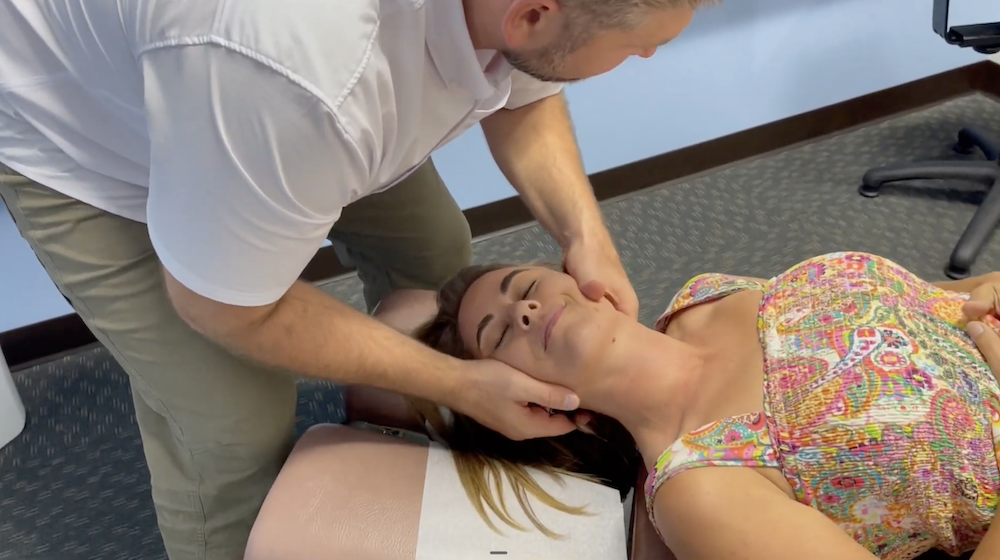
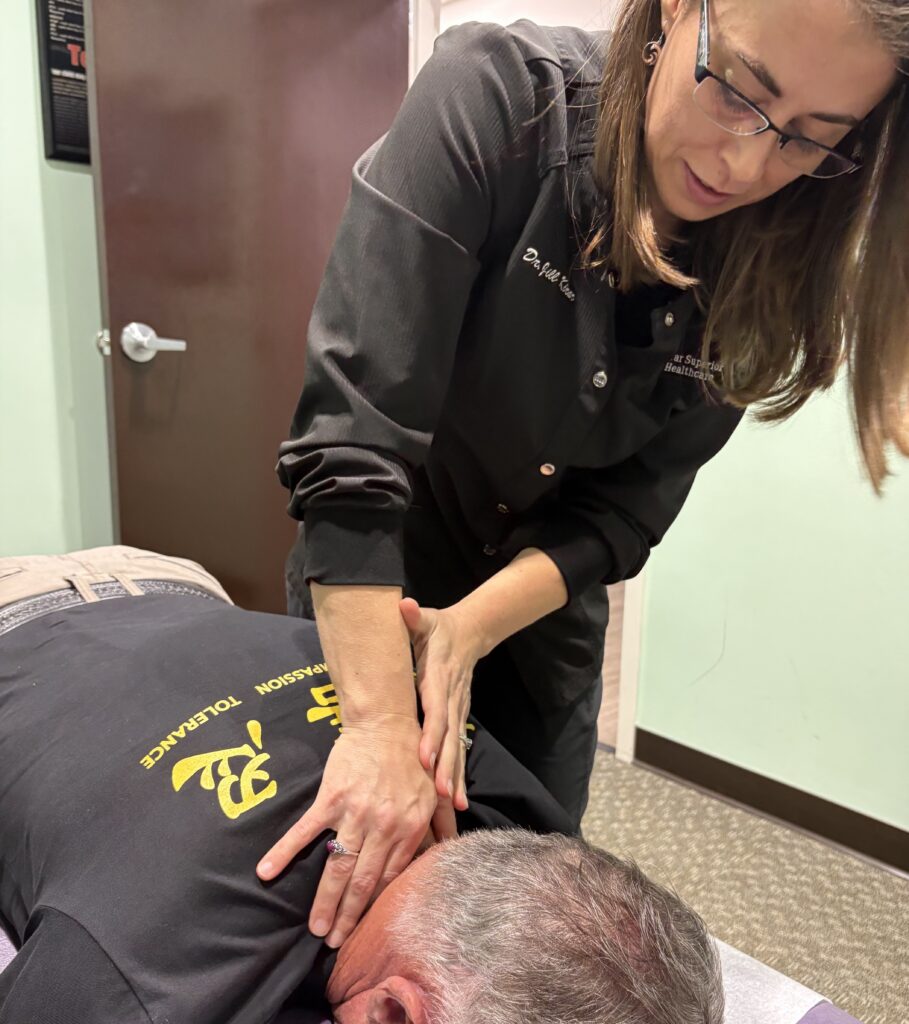
Incorporating chiropractic care into your recovery routine can be a game-changer. Chiropractic adjustments help align your spine, improve your range of motion, and promote better blood flow, all of which can expedite your recovery process. Here are several strategies that can enhance your recovery routine while emphasizing the benefits of chiropractic care:
- Chiropractic Adjustments: Regular visits to your chiropractor can help reduce pain and stiffness, allowing you to recover faster. Adjustments can help restore proper alignment and function to your spine, which is essential for optimal performance.
- Sleep: Never underestimate the power of a good night’s sleep. Quality rest is crucial for muscle recovery and overall health. Make sure to create a sleep-friendly environment and aim for 7-9 hours each night.
- Nutrition: Fuel your body with nutrient-dense foods. Focus on whole foods, lean proteins, healthy fats, and plenty of fruits and vegetables to support your recovery. Staying hydrated is equally important to keep your body functioning optimally.
- Active Recovery: Engage in low-impact activities like walking, swimming, or yoga on your rest days. This helps keep your muscles engaged without overexerting them, promoting circulation and healing.
- Stretching and Mobility Work: Incorporating stretching into your routine can improve flexibility and reduce the risk of injury. Focus on dynamic stretching before workouts and static stretching afterward to enhance recovery.
- Mindfulness and Relaxation: Stress can hinder recovery, so integrating relaxation techniques like meditation or deep breathing can help calm your mind and body, aiding in recovery.
- Listen to Your Body: Pay attention to any signs of discomfort or pain. If something feels off, don’t hesitate to consult your chiropractor. Early intervention can prevent further issues and keep you on track.
By prioritizing these strategies, especially the inclusion of chiropractic care, you can enhance your recovery process and support your overall wellness. Remember, taking care of your body is essential for long-term success in your athletic endeavors. Embrace these practices to achieve optimal health and performance!
Key Takeaways
- Aim for 7–9 hours of restorative sleep each night. Quality sleep is essential for your muscles and spine to recover effectively, allowing you to perform at your best.
- Stay hydrated and maintain a good balance of electrolytes. Proper hydration is key to keeping your muscles functioning well and preventing fatigue, which can hinder your performance.
- Embrace active recovery techniques, like gentle stretching or low-intensity exercises. These activities help increase blood flow to your muscles, facilitating quicker recovery and reducing soreness.
- Consider scheduling regular chiropractic adjustments. Chiropractic care can improve your spinal alignment and relieve tension, leading to better overall performance and reduced discomfort.
- Don’t forget about the power of mindfulness. Combining mindfulness practices, such as meditation or deep breathing, with your physical recovery routine can bolster your mental resilience and keep your focus sharp during training.
By prioritizing these strategies and integrating chiropractic care into your wellness journey, you can enhance your recovery and achieve optimal health naturally.
Prioritize Sleep and Rest
When it comes to recovery, prioritizing sleep and rest is crucial for your overall health and wellness, especially for your spine. As a chiropractor, I can’t emphasize enough how essential quality sleep is for your body’s natural healing processes. Without adequate sleep, your body struggles to repair itself, leading to prolonged fatigue, increased discomfort, and decreased performance. Aim for 7-9 hours of restorative sleep each night; this is when your muscles and spine recover and rebuild.
To enhance your sleep quality, establish a consistent sleep schedule by going to bed and waking up at the same time every day. This helps regulate your body clock, promoting better rest.
Creating a restful sleep environment is also key. Keep your bedroom dark, quiet, and cool to encourage deeper sleep. Incorporating relaxation techniques such as gentle stretching, meditation, or deep breathing exercises before bed can help you unwind and prepare your body for restful sleep.
In addition to focusing on sleep, don’t overlook the importance of rest days. Allowing your body time to recover from intense activities is vital. During these rest periods, your muscles and spine can strengthen and adapt, leading to improved resilience and overall well-being.
Hydration and Nutrition Strategies
When it comes to recovery, hydration and nutrition are essential for your overall health and wellness, especially for maintaining a properly functioning spine.
Staying well-hydrated not only supports your body’s systems but also aids in keeping your spinal discs healthy and flexible. Proper hydration can help you recover faster from any discomfort and enhance your overall performance in daily activities.
Additionally, timing your nutrient intake is crucial for optimal recovery. Consuming the right balance of nutrients can help reduce inflammation and promote healing.
Incorporating foods rich in omega-3 fatty acids, antioxidants, and vitamins can support your body’s natural healing processes.
Here are some simple tips to help you effectively manage hydration and nutrition for better results:
- Stay Hydrated: Aim to drink plenty of water throughout the day. Consider carrying a reusable water bottle with you to remind yourself to hydrate regularly.
- Eat Nutrient-Dense Foods: Focus on whole, unprocessed foods such as fruits, vegetables, lean proteins, and healthy fats. These can provide your body with the essential nutrients it needs for recovery.
- Time Your Meals: Try to eat smaller, balanced meals throughout the day rather than large meals. This can help maintain energy levels and support your metabolism.
- Listen to Your Body: Pay attention to how your body feels after you eat and drink. This can help you identify what works best for you and further enhance your recovery process.
- Consider Chiropractic Care: Regular visits to a chiropractor can also complement your nutrition and hydration efforts. Chiropractic adjustments can help improve spinal alignment, reduce tension, and promote overall well-being, allowing your body to function optimally.
By focusing on these strategies, you can support your recovery and enhance your overall health naturally.
Importance of Hydration
Staying hydrated is vital for everyone, especially for those looking to maintain optimal health and well-being. Proper hydration supports your body in many ways, from regulating temperature and lubricating joints to aiding nutrient transport. When you’re well-hydrated, you’re less likely to experience fatigue, decreased endurance, or impaired coordination—all of which can affect your daily activities and overall quality of life.
Dehydration can lead to discomfort and tension in your muscles and joints, which may exacerbate existing pain or discomfort. This highlights the importance of hydration not just as a performance enhancer, but as a foundational element of maintaining a healthy body. It’s not just about drinking water; balancing electrolytes like sodium, potassium, and magnesium is crucial for keeping fluid levels balanced and ensuring optimal muscle function.
Make it a habit to drink water throughout the day, not just when you feel thirsty or during physical activity. You can also boost your hydration by incorporating hydrating foods like fruits and vegetables into your meals. These foods not only provide water but also essential nutrients that support your overall health.
Nutrient Timing Techniques
Hydration is essential for optimizing your performance, but it’s just one piece of the puzzle. Timing your nutrient intake can significantly boost your recovery and energy levels, especially after a workout. It’s important to consume protein and carbohydrates within 30 minutes post-exercise. This quick intake helps replenish your body’s glycogen stores and aids in muscle repair, which can lead to better results in your fitness journey.
In addition to nutrient timing, staying hydrated is crucial. Be sure to drink plenty of water or electrolyte-rich beverages before, during, and after your workouts to keep your body balanced and functioning well. For pre-workout energy, focus on easily digestible carbohydrates that can provide a quick boost without weighing you down.
Throughout the day, aim for balanced meals to sustain your performance. By being mindful of what and when you eat, you can enhance your recovery and prepare your body for future workouts. Remember, these timing techniques can make a noticeable difference in how you feel and perform.
As a chiropractor, I encourage you to consider the overall wellness of your body. Proper nutrition and hydration are vital, but don’t forget that chiropractic care plays a fundamental role in achieving optimal health. Regular adjustments can help improve your body’s function, reduce pain, and enhance your overall well-being, allowing you to perform at your best. Always prioritize natural healing methods like chiropractic care to support your journey towards a healthier lifestyle!
Active Recovery Techniques
Active recovery techniques are essential components of a holistic approach to health and wellness, particularly for athletes and active individuals. Instead of simply resting on the couch after intense workouts, consider engaging in low-intensity activities such as walking, cycling, or swimming. These gentle exercises promote blood flow, which helps to clear out lactic acid and reduce muscle soreness, supporting your body’s natural healing processes.
Incorporating activities like yoga or light stretching can also enhance flexibility and keep your muscles limber, contributing to overall spinal health. Additionally, techniques such as foam rolling or light resistance training can target specific muscle groups, aiding recovery without straining your body.
Listening to your body is crucial. If you’re feeling fatigued, opt for gentler movements and allow yourself the time to recover. Remember, the purpose of active recovery isn’t to push your limits but to facilitate healing while maintaining a consistent routine.
As a chiropractor, I encourage you to integrate these active recovery techniques into your regimen. They can complement your chiropractic care by enhancing your recovery process, ultimately helping you feel better and perform at your best in training sessions or competitions. By prioritizing your body’s natural healing abilities, you’ll find that you recover faster and enjoy a healthier overall lifestyle.
Incorporate Stretching and Mobility Work
Incorporating stretching and mobility work into your daily routine is an excellent way to enhance your recovery and overall well-being. Regular stretching not only improves your flexibility but also helps reduce muscle tension, making you feel more comfortable in your daily activities. Understanding the differences between dynamic and static stretching can further optimize your performance and help prevent injuries.
Dynamic stretching involves moving parts of your body through their full range of motion, which can be particularly beneficial before engaging in physical activities. Static stretching, on the other hand, involves holding a stretch for a period of time and is best suited for after workouts or during cool-down sessions.
Adding mobility drills into your routine is another fantastic way to support recovery and prepare your body for the demands of training and competition. These drills help improve joint function and can enhance your overall movement quality.
As a chiropractor, I often emphasize the importance of maintaining a healthy spine and body alignment, which can significantly benefit from regular stretching and mobility exercises. By keeping your body flexible and mobile, you can reduce the risk of injuries and alleviate discomfort, making chiropractic care an excellent complement to your wellness routine.
Here are a few simple tips to incorporate stretching and mobility work into your day:
- Start and End Your Day with Stretching: Spend just a few minutes in the morning and evening to stretch your major muscle groups.
- Listen to Your Body: Pay attention to areas that feel tight or uncomfortable and focus on stretching those areas more.
- Incorporate Mobility Drills: Include some light mobility exercises in your warm-up to prepare your body for movement.
- Stay Consistent: Make stretching and mobility work a regular part of your routine for the best results.
Benefits of Regular Stretching
Regular stretching is an important part of maintaining a healthy spine and overall well-being.
As a chiropractor, I can’t stress enough how beneficial it’s for enhancing your flexibility, which can lead to better movement efficiency and a reduced risk of injury.
By incorporating stretching into your daily routine, you can alleviate muscle tension and promote relaxation, which is crucial for effective recovery after physical activity.
Stretching also boosts blood circulation, allowing oxygen and nutrients to reach your muscles more efficiently.
This can help speed up recovery times, so you feel better and perform at your best.
A well-stretched body is less likely to experience stiffness and discomfort, which can help you avoid unnecessary trips to the chiropractor.
Moreover, regular stretching can lead to improved posture and spinal alignment.
Good posture not only enhances your physical performance but also supports your overall health.
When your spine is aligned, your body functions more optimally, reducing the risk of pain and discomfort.
Here are a few simple stretching tips to incorporate into your daily routine:
- Start Slow: If you’re new to stretching, begin with gentle stretches and gradually increase the intensity as your flexibility improves.
- Focus on Major Muscle Groups: Pay attention to areas that are often tight, like your back, hips, and shoulders.
- Breathe: Remember to breathe deeply while stretching. This helps to relax your muscles and improve circulation.
- Stay Consistent: Aim to stretch regularly, whether it’s before and after workouts or even during breaks throughout your day.
- Listen to Your Body: Never push through pain. If something feels uncomfortable, ease back and modify the stretch.
By making stretching a regular part of your routine, you’re supporting not just your flexibility but also your overall spinal health.
Remember, chiropractic care can complement your stretching routine by helping to align your spine and enhance your body’s natural healing processes.
Together, they can create a powerful approach to achieving optimal health and well-being.
Dynamic vs. Static Stretching
Understanding the benefits of regular stretching is essential for maintaining a healthy body and spine. As a local chiropractor, I want to share insights on two key types of stretching that can complement your overall wellness journey: dynamic and static stretching.
Dynamic stretching involves moving your body parts through a full range of motion. Think of it as a warm-up routine that gets your muscles ready for activity. These movements not only increase blood flow but also enhance flexibility, making them particularly useful for athletes or anyone engaging in physical activity. Incorporating dynamic stretches before your workouts can help prepare your body and may lead to improved performance.
In contrast, static stretching is about holding a position for a specific duration, usually done after you’ve finished exercising. This technique is beneficial for lengthening your muscles and promoting overall flexibility. By incorporating static stretches into your post-workout routine, you can aid in muscle recovery and prevent stiffness.
Both dynamic and static stretching are vital components of a balanced approach to physical health. They can contribute to your recovery and help you avoid injuries, allowing you to stay active and pain-free. Remember to listen to your body and integrate these stretching techniques into your routine to maximize your overall wellness.
As you pursue a healthier lifestyle, consider chiropractic care as an essential part of your journey. Regular adjustments can enhance your flexibility, improve your range of motion, and support your body’s natural healing processes. Embrace stretching, chiropractic care, and a balanced lifestyle for optimal health and wellness!
Incorporating Mobility Drills
Mobility drills are essential for enhancing your flexibility and overall movement quality, which can greatly benefit your spine and overall health. By including these exercises in your daily routine, you can improve your range of motion, reduce stiffness, and lower the risk of injury—especially in the back and joints.
Start with dynamic stretches that mimic movements you do in your daily life or sports. These warm up your muscles and increase blood flow, preparing your body for activity. Simple movements like hip circles, ankle rolls, and thoracic rotations can target areas that often become tight and contribute to discomfort in your spine.
After exercising, it’s important to focus on static stretches. These help to lengthen your muscles and support recovery, which is vital for maintaining a healthy spine. Consistency is key—aim for a few minutes of mobility work each day to keep your body flexible and resilient.
Incorporating these mobility drills not only helps you recover faster but also enhances your overall performance, allowing you to move more freely and comfortably in your daily activities. Remember, regular chiropractic care complements these efforts by ensuring your spine is aligned and functioning optimally, providing you with the best pathway to natural healing and wellness. Prioritize your spinal health and experience the benefits of a more mobile and pain-free life!
Utilize Compression and Cryotherapy
As you strive to push your limits in training, incorporating compression and cryotherapy can significantly enhance your recovery process. These methods not only help reduce inflammation and alleviate soreness but also contribute to faster healing, allowing you to return to your best self. However, it’s essential to remember that chiropractic care plays a crucial role in overall wellness and pain relief.
Here are some tips to maximize your recovery while embracing a holistic approach to health:
- Compression Wear: Consider wearing compression garments such as sleeves or socks during and after your workouts. These specially designed items improve your blood circulation, which helps flush out toxins and reduces muscle soreness. While compression aids recovery, regular chiropractic adjustments can further enhance your body’s natural healing processes by ensuring proper spinal alignment and function.
- Cryotherapy Sessions: You might think about visiting a cryotherapy facility or simply using localized ice packs at home. Cold exposure can minimize swelling and numb pain, facilitating a quicker recovery. Pairing cryotherapy with chiropractic care can optimize your healing, as adjustments can realign your spine, enhancing your body’s ability to recover from the stress of training.
- Timing Matters: Make sure to utilize compression immediately after your workouts and try to schedule cryotherapy sessions within 24 hours. This timing can significantly boost your recovery efforts. Remember, regular chiropractic visits can help maintain your body’s balance and alignment, which is vital for optimal performance and recovery.
Incorporating these techniques into your routine can make a notable difference, but don’t forget the power of chiropractic care. It’s a natural and effective way to achieve pain relief and promote overall wellness.
Explore Massage and Manual Therapy
Exploring massage and manual therapy can be a valuable addition to your recovery routine, but it’s important to recognize the significant benefits that chiropractic care offers for achieving optimal health and wellness.
Chiropractic adjustments focus on realigning the spine and ensuring that your nervous system functions at its best. This foundational care not only helps alleviate muscle tension but also promotes overall wellness by enhancing your body’s natural healing abilities.
While techniques like massage can help reduce soreness and improve circulation, chiropractic care goes a step further by addressing the root causes of discomfort. By restoring proper alignment to the spine, chiropractic adjustments can alleviate pain, improve mobility, and support your body’s healing processes.
Incorporating regular chiropractic visits into your routine can create a strong mind-body connection, which is essential for peak performance. A well-aligned spine supports better posture and reduces the risk of injury, allowing you to train more effectively.
Remember to listen to your body and consult with a qualified chiropractor to develop a personalized plan that suits your needs. Embracing chiropractic care as your primary approach to health can lead to faster recovery times, reduced pain, and improved athletic performance.
Additionally, consider these general tips for maintaining your wellness:
- Stay active with low-impact exercises like walking or swimming to keep your body moving.
- Focus on maintaining good posture throughout your day, especially if you spend long hours sitting.
- Incorporate stretching into your routine to enhance flexibility and prevent muscle tightness.
- Stay hydrated and nourish your body with whole foods to support overall health.
Practice Mindfulness and Mental Recovery
As you tackle the demands of athletics, incorporating mindfulness into your routine can significantly improve your mental recovery and overall well-being. Mindfulness not only helps you stay focused and present but also reduces stress, allowing for a smoother path to optimal health.
Here are three accessible mindfulness techniques that can be easily integrated into your daily routine, along with the benefits of chiropractic care to support your journey:
- Breath Awareness: Take a few moments each day to focus on your breath. Inhale deeply through your nose, feeling your abdomen rise, and exhale slowly through your mouth. This practice can help calm your mind and lower anxiety levels. Pairing this with regular chiropractic adjustments can enhance your respiratory function and promote relaxation throughout your body.
- Body Scan: Spend a few minutes mentally scanning your body from head to toe. Pay attention to areas of tension and consciously relax those muscles. This technique not only promotes relaxation but also enhances your body awareness, helping you identify areas that may benefit from chiropractic care. Regular adjustments can help alleviate tension and improve your overall alignment.
- Visualization: Picture yourself performing at your peak. Visualizing success can boost your confidence and reduce performance anxiety. When combined with chiropractic care, which supports alignment and physical functionality, you can feel more empowered to achieve your goals in competitions.
Incorporating these mindfulness practices can significantly bolster your mental resilience. Remember, chiropractic care is an excellent way to support your body and mind, ensuring that you’re in the best shape possible for both your athletic pursuits and everyday life.
Conclusion
Incorporating effective recovery strategies is crucial for enhancing your athletic performance and maintaining a healthy, injury-free lifestyle. One of the best ways to support your body is through chiropractic care, which focuses on spinal health and natural healing. By prioritizing sleep, hydration, and nutrition, you lay the groundwork for quicker recovery.
Active recovery methods, such as gentle exercises and stretching, are also essential. These practices not only promote flexibility but also help to alleviate tension in your muscles and joints. Don’t overlook the benefits of compression and manual therapy, which can be particularly effective in easing soreness and enhancing circulation.
Moreover, practicing mindfulness can significantly boost your mental resilience, allowing you to tackle challenges with a clear and focused mind. Remember, the key to recovery is taking care of both your body and your mind. By choosing chiropractic care, you can optimize your health naturally, ensuring a faster recovery and a stronger return to your athletic pursuits. Embrace these holistic approaches, and you’ll be well on your way to achieving your peak performance.